

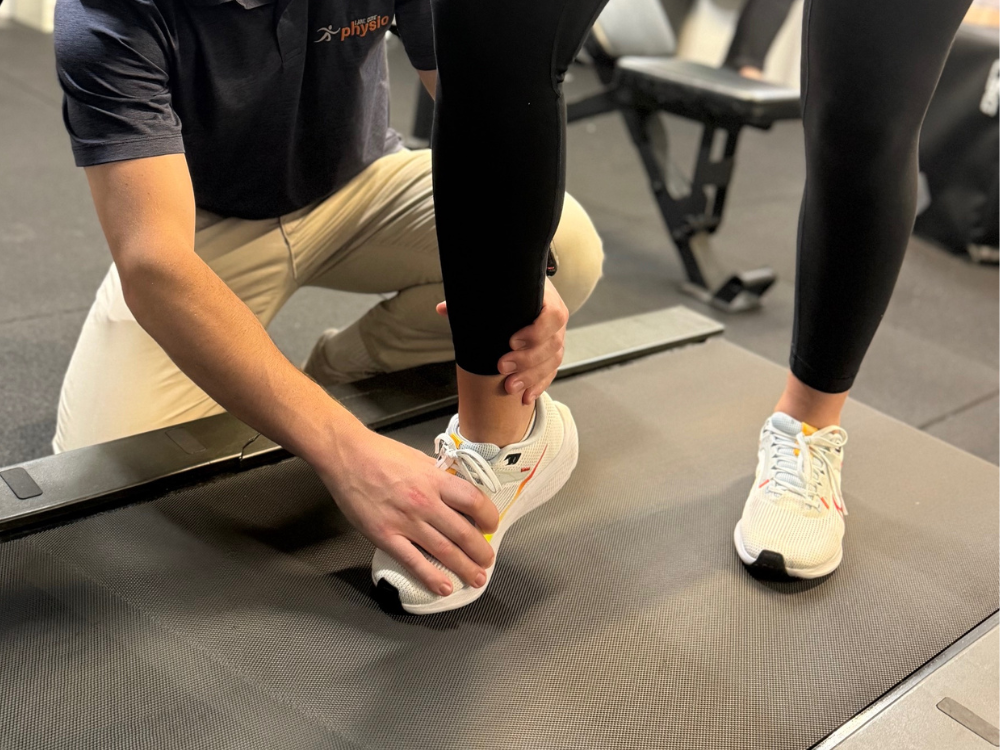
Cameron Silsby is a physiotherapist at Lane Cove Physio (ITC business supporter) who is also a marathon runner. With marathon season upon us, Cameron is sharing some expert advice every runner should know on cadence. Take it away, Cameron…
Why Cadence Matters for Runners
Cadence—the number of steps a runner takes per minute—is one of the most overlooked yet powerful tools for improving running performance and reducing injury risk. While pace and distance often get the spotlight, cadence provides valuable insight into efficiency and form.
A higher cadence, generally around 170–180 steps per minute for most runners, encourages shorter, quicker strides. This helps prevent over-striding, where the foot lands too far in front of the body. Over-striding increases impact forces on the joints and can slow forward momentum. By contrast, a quicker turnover promotes a mid-foot landing and smoother stride, reducing stress on the knees and hips.
Efficiency is another key benefit. A slightly faster cadence often means less vertical bounce and wasted energy. Instead of propelling upward with each stride, runners move more directly forward. Over long distances, this small adjustment can conserve energy and improve endurance.
Cadence can also serve as a practical pacing tool. Runners who train themselves to maintain a steady step rate often find it easier to settle into a rhythm, whether running easy miles or racing at peak effort.
How to Improve Your Cadence
Improving cadence doesn’t require a dramatic overhaul. Small, gradual changes—such as adding 5–10% more steps per minute during runs—are enough to build efficiency safely. Tools like GPS watches and metronome apps make tracking and practising cadence simple.
Ultimately, focusing on cadence helps runners move with greater efficiency, reduced risk of injury, and increased confidence with every step.
To assess your running technique or cadence, consider booking a run assessment with one of our physiotherapists at Lane Cove Physio. Happy running!
Lane Cove Physio Services
- Physiotherapy – Complete assessment and treatment for injuries, pain, and dysfunction.
- Aquatic Physiotherapy – Rehab and therapy work in water to reduce impact, support movement, and improve recovery.
- Gym Rehabilitation – Custom gym-based programs to help you rebuild strength, mobility and function.
- Extracorporeal Shockwave Therapy – Non-invasive treatment to address stubborn tendon and soft-tissue issues.
- Scenar Therapy – (a specialised electrical therapy) aimed at managing pain and enhancing healing.
- Balance & Falls Prevention Classes – Group or individual sessions to improve stability, confidence and reduce risk of falls.
- Aquanatal Services – Water-based physiotherapy designed for pregnancy/postnatal care.
- Acupuncture / Myofascial Dry Needling – Targeted work to release tight muscles, relieve pain and improve movement.
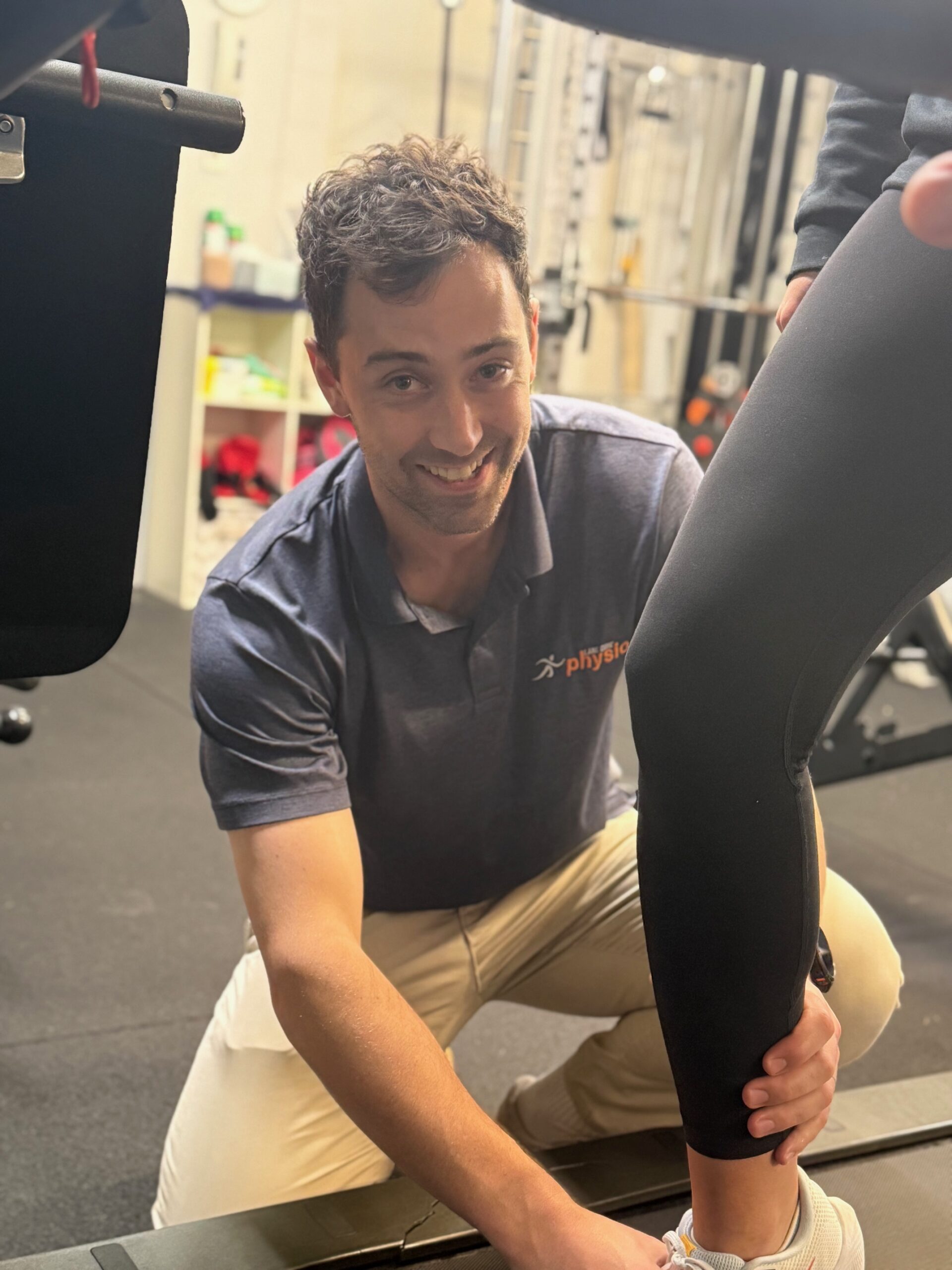
Meet the Experts at Lane Cove Physio
The team at Lane Cove Physio comprises highly skilled physiotherapists —each selected for their speciality, expertise, and caring approach. Whether you’re dealing with sports injuries, niggles from running, or want to improve mobility, strength, and balance, they tailor their care to your body, your goals, and your current level.
Their head physio, Jack Perisa, holds a specialist accreditation in sports physiotherapy and has years of experience working with elite athletes. Alongside him are pros like Kirsty, Cameron, Lindsay, Bianca, James, and Tyler — all passionate about helping runners perform better, stay resilient, and recover smarter.
Book Today
To assess your cadence or running technique, book an appointment or contact the friendly staff at Lane Cove Physiotherapy for further information. The expert team are there to help you perform better and recover smarter.
Lane Cove Physio Contact Details
Address: 237 Longueville Road, Lane Cove NSW (Cnr of River Road and Longueville Road)
Phone: (02) 9428 5772
Email: [email protected]
Website: www.lanecovephysio.com.au
Instagram: @lanecovephysio/
THIS IS A SPONSORED ARTICLE