

Winter has officially arrived, The heaters are likely out of storage now and the electric blankets are on the beds. All that extra warmth comes with extra fire risk, which is exactly why Fire and Rescue NSW (FRNSW) kicked off winter with Smoke Alarm Action Day on 1 June, a national push urging every household to test their smoke alarms.
Why It Matters
Of the nearly 3,900 residential fires FRNSW attended last year, firefighters could not identify a working smoke alarm in 45% of them. That’s almost half of all house fires happening in homes where the one device designed to give early warning either wasn’t there or wasn’t working.
FRNSW research also found 31% of NSW residents had either not checked their smoke alarm in the last year or had never checked it at all, while 1 in 4 people were not confident about how to test one. The same survey found 37% of people did not know smoke alarms need to be replaced every 10 years, and 45% did not know alarms should be cleaned every six months.
As the temperature drops, house fire risk climbs. More heaters, more electrical appliances, more devices on charge including the e-bikes and e-scooters we’re seeing more of around the Cove, whose lithium-ion batteries are now one of the fastest-growing fire risks in NSW.
A working smoke alarm is your first line of defence. That loud beep buys you the time you need to get out, stay out, and call Triple Zero (000).
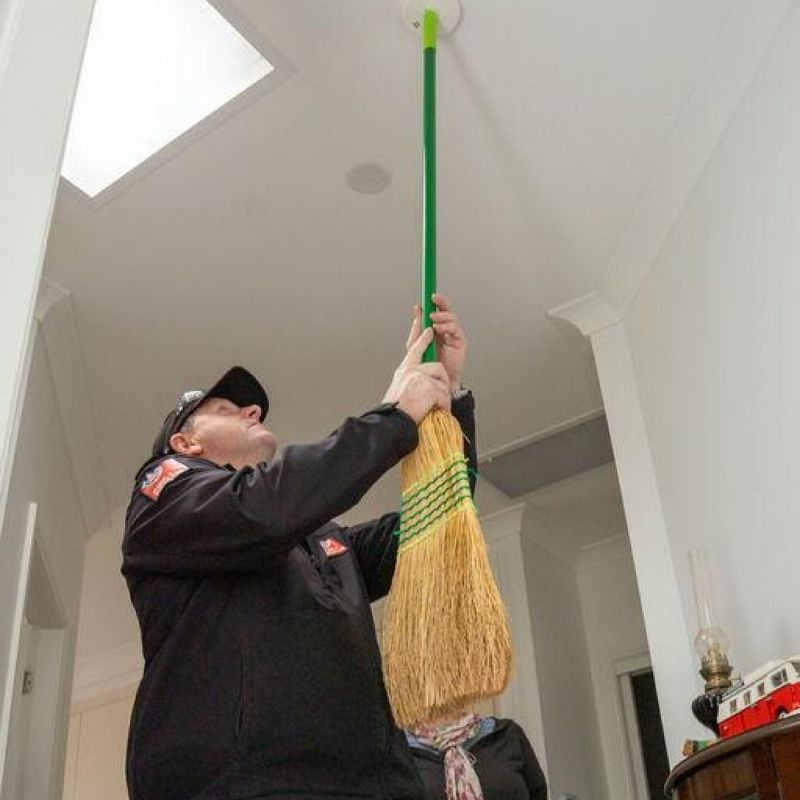
FRNSW Commissioner Jeremy Fewtrell put it bluntly: “Many people don’t think about their smoke alarms until it’s too late.” His advice? Just grab a broom handle, reach up and press the button on the face of the alarm.
This Year’s Campaign
2026 marks 20 years since working smoke alarms became a legal requirement in NSW homes. In May, FRNSW launched its cheeky “Check your BLEEPING smoke alarm” campaign ahead of winter, using bold language to get people talking about a safety task too many households still put off.
The campaign also encourages residents to book a free home fire safety visit, with FRNSW noting around one in two people were not aware the service existed.
Your Smoke Alarm Checklist
- Test monthly — press and hold the test button until you hear the beeps
- Vacuum every six months — dust and insects can stop smoke reaching the sensor
- Replace batteries every 12 months (for alarms with replaceable batteries)
- Replace the whole alarm every 10 years — if it’s yellowed, it’s probably past its use-by date
- Check your coverage — the law requires at least one working smoke alarm on every level of your home, and FRNSW recommends one in every bedroom too
Free Home Fire Safety Visits – We’ve Done One!
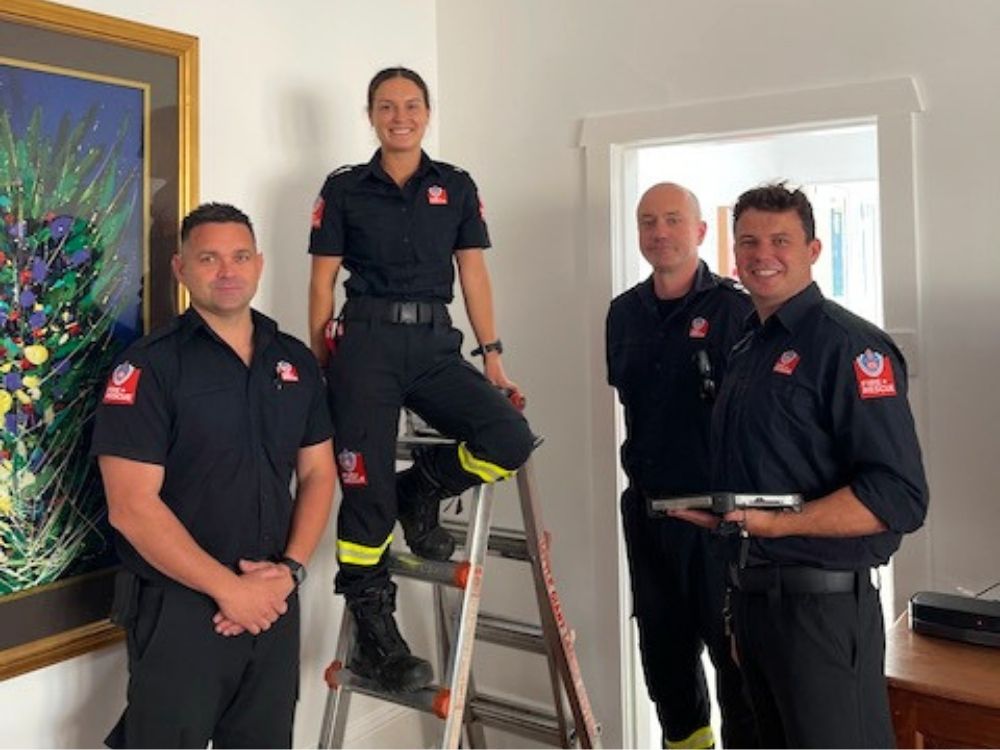
Here’s the bit too many people don’t know about: FRNSW offers free home fire safety visits. A local fire crew will come to your home, give you tailored safety advice, and if you need one, install a new 10-year smoke alarm completely free of charge.
ITC can vouch for this one firsthand. Back in 2023, the crew from Fire and Rescue NSW Station 061 Lane Cove came to check the smoke alarms, and the advice they gave stuck. They said most house fires start with cheap appliances bought from overseas that don’t meet Australian Standards, and with people walking away while cooking. Their other golden rules: never leave the house while the dryer is running (and always clean the lint filter), and never leave the house with the oven on.
You can book your own free safety visit at fire.nsw.gov.au/fire-safety/home-fire-safety/safety-visits or call Lane Cove Fire Station directly.
It takes 30 seconds to press a button. It might just save your life or the life of someone you love.
For more winter fire safety tips, visit fire.nsw.gov.au/befiresafe