

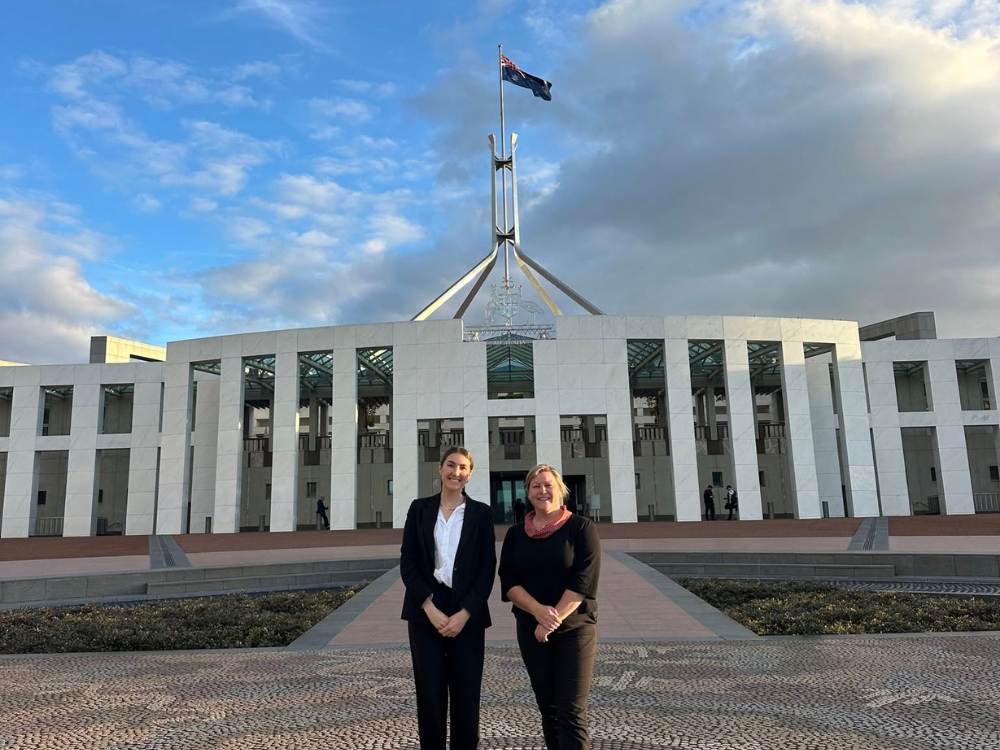
UPDATE – WEDNESDAY 19 AUGUST 2026
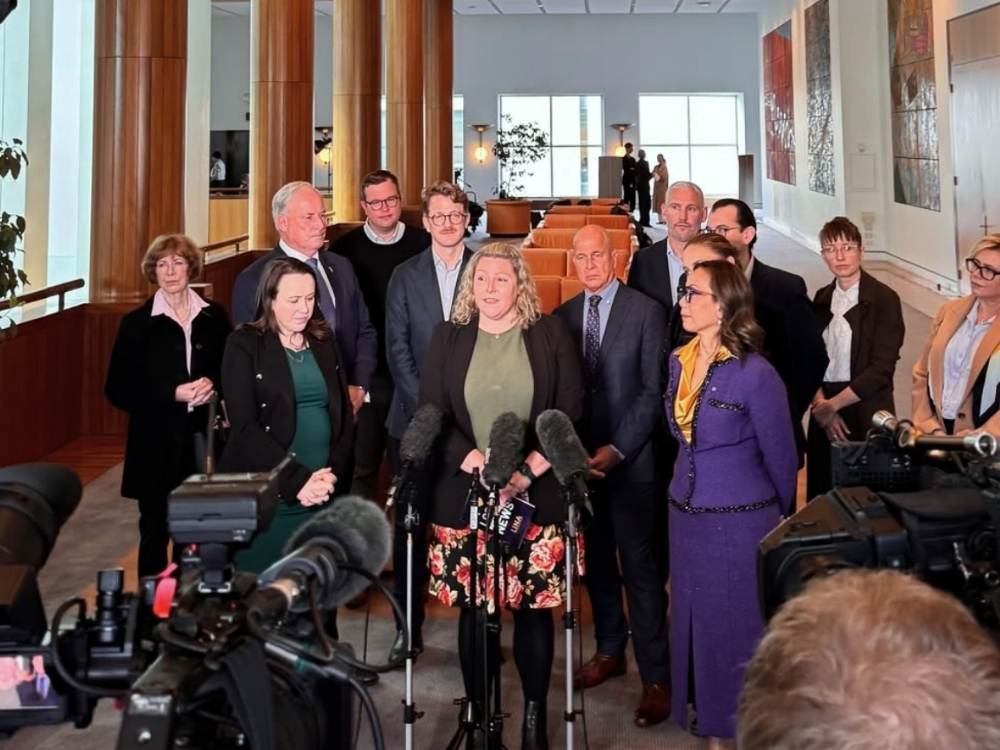
The News Bargaining Incentive legislation progressed through the House of Representatives on Wednesday 19 August, but proposed safeguards for small and medium publishers were rejected.
Independent MPs Kate Chaney, Allegra Spender and Dai Le proposed amendments including a requirement that at least 12.5 per cent of News Bargaining Incentive deals be made with news businesses earning less than $20 million annually.
The proposed amendments also included provisions allowing smaller publishers to bargain collectively and increasing the proportion of any revenue collected under the scheme directed to the grant program from 5 per cent to 15 per cent.
Labor, Liberal and Nationals MPs voted against the amendments.
We support the News Bargaining Incentive and the move to make big tech contribute to Australian journalism. However, under the legislation as it currently stands, digital platforms will be required to make a minimum of eight qualifying deals, with no guarantee that any of those deals will be with a small or independent publisher.
LINA and the Community Broadcasting Association of Australia have warned that up to 700 small and medium news organisations could miss out and are calling for the safeguards to be reconsidered when the legislation reaches the Senate.
The Senate is expected to consider the legislation on Thursday 20 August.
Disclosure: In the Cove is a small independent news publisher and could potentially benefit from the proposed amendments.
When Lane Cove needs to know what is going on, fast and verified, In the Cove is not just a community page. We are a newsroom. We call the police, we read the council papers, we sit across court matters, we put out the traffic alerts and we chase down the questions no big-city newsroom has the time or the local know-how to bother with.
A tiny team does that every single day, with no paywall and no big company bankrolling us. And yet under new federal laws that are supposed to support Australian journalism, a lot of that work might count for next to nothing.
That is the catch with the News Bargaining Incentive. The idea is spot on: hugely profitable tech platforms should pay for the journalism that makes their sites worth visiting. But the Local and Independent News Association (LINA), the body we belong to, reckons a law meant to protect a diverse media could do the opposite, rewarding the outlets that are already the biggest and squeezing everyone else.
At a Glance
- The Federal Government has put the News Bargaining Incentive to Parliament, to make platforms like Google, Meta and TikTok pay for Australian journalism or cop a charge on their local ad revenue.
- To wipe out that charge, a platform has to do deals with at least eight news organisations. LINA says nothing guarantees any of those deals go to a small, independent outlet.
- If a platform pays the charge instead, the money is handed out mostly on how many journalists you employ, a formula LINA says just rewards the big end of town.
- LINA is glad the Government has done more for smaller publishers, but reckons around 700 public interest publishers could still miss out.
- LINA wants a guaranteed slice of deals for small publishers, a properly funded grant program and rules that actually fit lean, freelance and volunteer-run newsrooms.
- The Bills are before Parliament, which sits again from 17 August.
LINA’s case, by the numbers
Full disclosure: In the Cove is a member of LINA and we are one of the small publishers these laws affect. We are writing about the NBI because it hits the future of local journalism, ours included.
First up, we back this law
Let us be clear about the common ground. Big tech should pay for journalism. The Government is right to act, and fair credit to them for getting it into Parliament.
Here is how it works. Big platforms like Google, Meta and TikTok will cop a charge based on their Australian digital ad revenue if they do not do enough deals with news outlets. After consultation the Government made a bunch of changes aimed at smaller publishers, and LINA has welcomed them: a stronger incentive to do deals with small outlets, more support for journalists in the regions and in underserved communities, a wider definition of who counts as a journalist, and a new grant program for up-and-coming newsrooms.
Those changes are genuinely good. They show the advocacy from local, independent, regional, multicultural and First Nations media got through. But like LINA says, being heard is not the same as being looked after.
Two doors into this scheme, and the little guys (like us) can get shut out of both
Door one: doing deals
The Government would rather platforms sit down and do deals than pay the charge. To wipe the charge out, a platform has to do deals with at least eight news organisations. Here is LINA’s worry, and it is a fair one: nothing says a single one of those deals has to go to a genuinely small, independent newsroom. A platform can pick the big established players with the staff and the lawyers to negotiate, while hundreds of smaller outlets are left standing outside the room.
That is why LINA wants a chunk of those deals set aside for small publishers, and why it says they should be able to bargain together through a shared body. Doing it collectively takes the paperwork headache off both the platforms and the little newsrooms.
Door two: how the charge gets shared out
If a platform pays the charge instead, LINA says the money is handed out mainly on how many journalists you have on the books. More journalists, more money. Sounds fair enough on a spreadsheet. But in what LINA calls one of the most concentrated media markets in the world, all that does is make the big even bigger.
Meanwhile a small local outlet might be run by an owner working way more than full time, a couple of paid staff, some freelancers and a few community contributors. The output is big. The payroll is not. LINA’s point is that a formula built on staff numbers misses the very work the scheme is meant to protect, including the newsrooms getting the news out on a freelance or volunteer basis because the old way of paying for it fell over.
There is meant to be a grant program to catch the smallest outlets, but LINA flags a $150,000 revenue cut-off that leaves a gap. You can earn a bit more than that and still be tiny, stretched thin and nowhere near able to land a direct deal with a platform. All up, LINA reckons around 700 public interest news publishers could be left in limbo across the country.
And here is the kicker. That grant pool only gets topped up if a platform actually chooses to pay the charge instead of doing deals, and the whole scheme is built to push them toward deals. So LINA says you cannot call a fund that might get little or nothing a safety net. It also says the current slice for small and independent media, around 5% of what is collected, is nowhere near enough to matter.

What a headcount cannot see
Every week In the Cove covers council decisions, local developments, schools, courts, businesses, community events and emergencies. When something happens, the photos and the dashcam footage land in our inbox, we check what we can, we ring the authorities, we knock the rumours on the head and we keep the story updated as things change.
We read the agenda nobody else has opened. We spot the parking change that is going to hit hundreds of local families. We ask why a development got the tick, what actually happened in court, and whether the official line matches what people are seeing on their own street.
That is not a mini version of national news. It is a different job altogether. A big outlet might cover the huge local incident. It is never going to consistently report the council motion, the school milestone, the planning stoush, the community fundraiser or the small issue that quietly grows into a big one.
And when local news goes, those stories do not shuffle off to some bigger newsroom. They just stop getting told.
That is exactly what LINA Executive Director Claire Stuchbery means by news deserts: whole communities left with nobody reliably reporting on the decisions, the risks and the people closest to them.
She is dead right. Outlets like ours hire local people, pour everything into local reporting and build a level of trust with readers that no national masthead can pull off from a city office.
What LINA is asking Parliament to fix
In its 5 August joint statement, LINA and a coalition of small, independent, regional, multicultural and First Nations media groups first asked for 25% of platform deals to go to publishers earning under $50 million. With the Bills now tabled, they have scaled the ask right back to something very modest: just guarantee that at least one in eight deals, or 12.5% of the total deal value, reaches small and independent publishers and broadcasters earning under $20 million.
What LINA wants changed
- Guarantee at least one in eight platform deals, or 12.5% of total deal value, goes to small and independent publishers and broadcasters earning under $20 million.
- Let those deals be done collectively through shared sector bodies, so the paperwork does not bury the platforms or the small outlets.
- Lift the small-publisher grant to 15% of any charge revenue collected.
- Open grant eligibility to outlets earning between $150,000 and $20 million, so the “missing middle” is not left out.
- Let an independent, industry-run body hand out the grant money.
- Fix the rules that do not suit volunteer-run newsrooms, including one that would force outlets to put volunteers on the payroll within three months of getting a payment.
None of this is about blowing up the scheme or clawing back what big tech has to pay. They are small, targeted fixes to make sure a law that was sold as backing media diversity actually delivers it.
Read Claire Stuchbery’s full piece: A welcome step forward, but the News Bargaining Incentive must deliver for all communities.
This is not a crack at big media
The big outlets employ thousands of journalists and do plenty of important work. They should get paid too. This is not local news versus “real” news.
The point is that one does not stand in for the other. Funding a national newsroom does not put anyone in the room at Lane Cove Council. Rolling a big publisher’s content out across more suburbs does not give you the local knowledge, the accountability or the trust of a newsroom that actually lives in the place it covers.
A system can add up perfectly on paper and still be dead unfair. LINA’s warning is blunt: if you hand out the money mostly on how big an outlet already is, the biggest players will scoop the biggest share, and Australia could go from the second most concentrated news market in the world to the most concentrated of the lot. That might be easy to administer. It is not a plan for diversity.
A fair go for the newsrooms that show up
The big risk here is not that In the Cove misses out on a cheque. It is that Parliament writes media diversity into the purpose of the law and then uses rules that could make an already lopsided media landscape even more lopsided.
A newsroom of three is not one-hundredth as useful to its community as a newsroom of 300. It might be the only one keeping an eye on that community at all.

We are not trying to turn into a national media company. We just want the work of local publishers to actually count in a scheme that was built to support journalism. Alongside LINA, all we are asking for is a guaranteed seat at the table, a grant program that reaches real small newsrooms, and a formula that sees more than the size of the payroll.
The Bills are in front of Parliament now, and it sits again from 17 August. There is still time to get this right. The idea is good. The chance is huge. Parliament just needs to make sure the result is actually fair.
We will keep following the Bills as they move through Parliament and let you know the minute anything changes.
Read it for yourself: LINA joint statement | Claire Stuchbery’s opinion piece | the Government’s announcement
Support Independent Community Journalism
Why Local News Matters
In the Cove delivers independent Lane Cove news every day — 100% free, with no paywall. We write for the community, from within the community.We are a proud member of LINA — the Local & Independent News Association, which supports small, independent publishers serving their communities with reliable, accountable local journalism.Local news strengthens community connection, keeps residents informed, spotlights issues that bigger outlets overlook, and holds local decision-makers accountable. When local news disappears, communities lose transparency, trust and shared understanding. Your support helps ensure Lane Cove continues to have a strong, independent voice.☕ Shout ITC a Coffee
❤️ Contribute Any Amount
📣 Advertise with Us