

Sponsored content
By Tanya Sharma, Clinical Content Lead and Accredited Exercise Physiologist
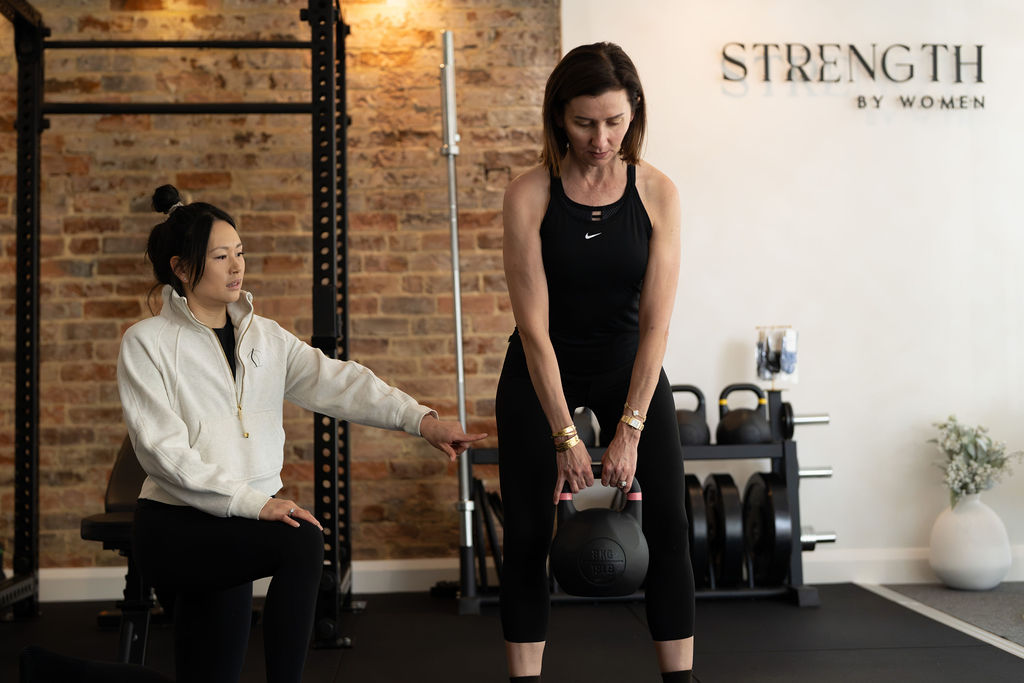
Have you noticed there’s been a lot more conversation lately about the benefits of strength training for women?
You may have read an article, listened to a podcast, noticed friends joining the gym, or perhaps your doctor has suggested incorporating strength training into your routine to support your health. The conversation is growing, and we couldn’t be happier that more women are discovering the benefits of building strength.
For many women, there can be a disconnect between yoga and the gym environment, between physiotherapy rehabilitation and sports performance. Too often, the fitness industry has promoted a culture of pushing beyond your limits, going harder and doing more. While that approach may suit some people, it has also made strength training feel intimidating, overwhelming and, for many women, simply not for them.
In this article, we’ll explore some of the most common barriers women face when considering strength training, unpack the myths that continue to hold many women back, and explain why building strength can look very different from what the fitness industry has led us to believe.
“I’ll get too bulky”
When we think about lifting weights, some of us may picture bodybuilders or large, muscular physiques. It’s a completely understandable concern, because what “bulky” looks like varies from person to person, and the fitness industry has often associated strength training with building as much muscle as possible.
The reality is quite different.
Building muscle takes time and consistent training [1]. How much muscle you gain depends on multiple factors, including the training approach used and nutrition, and even then individual responses can vary.
In fact, one of the biggest challenges for women as they age isn’t gaining too much muscle, it’s maintaining the muscle they already have. From around our 30s onwards, we naturally begin to lose muscle mass and strength, a process known as sarcopenia [2]. Without regular strength training, this gradual decline can make everyday activities more difficult over time, reduce our metabolism and affect our overall health.
The good news is that resistance training helps slow this loss and preserve the strength needed to stay active and independent. Australian position statements also recognise progressive resistance training as important for bone health, which becomes particularly relevant for women around menopause [3]. In practical terms, it becomes easier to carry the groceries, lift grandchildren, get up from the floor, climb stairs, and continue doing the things you enjoy with confidence.
Rather than focusing on becoming “too muscular”, we encourage women to consider what greater strength enables them to do, and to celebrate the muscle we can keep. The goal isn’t to chase a particular look, it’s to build a body that supports the life you want to live, both now and in the years to come.
Free Event · Longueville
Dr Jo Mackson talk
Saturday 5 September 2026 · 9.45am to 10.30am
Join us for a morning talk on hormones and midlife health with Dr Jo Mackson of Sydney Women’s Wellness, alongside the Accredited Exercise Physiologists at Strength By Women.
Places are limited. To register, email [email protected] or reach out to us on our Contact Us page on our website: www.strengthbywomen.com
“It’s too late for me”
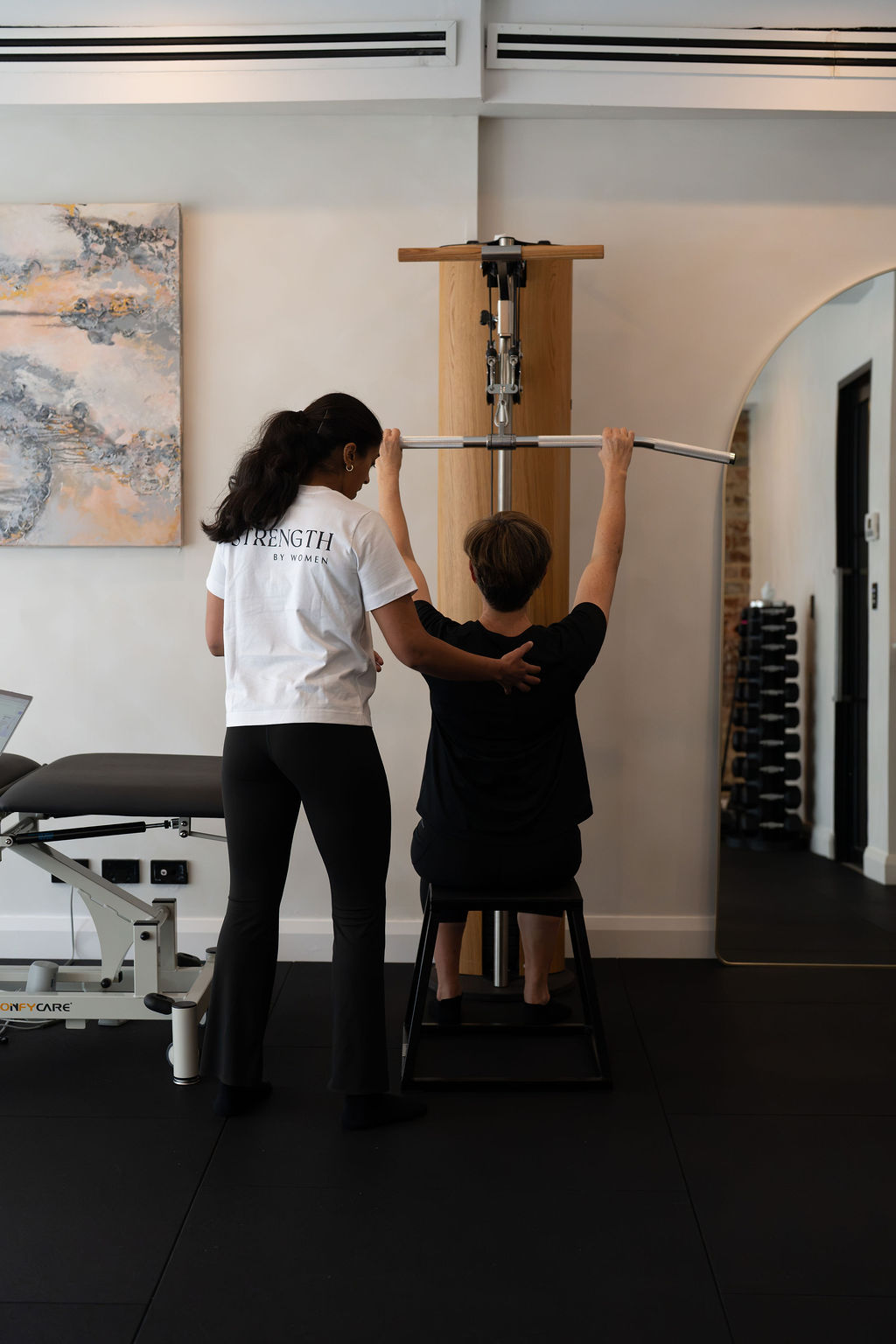
The human body is fascinating and resilient, and it continues to adapt and change throughout life. You can still build muscle, function and strength in your 70s and 80s [4]. Resistance training is also one of the safest and most effective ways for older adults to maintain independence and quality of life [5,6].
Whether your goal is to enjoy bush walks, lift your grandchildren with confidence, or simply feel steadier on your feet, your muscles remain highly adaptable.
“I’ll hurt myself”
This is a completely reasonable concern. Exercise is essentially stress placed on the body, and we understand the hesitation women can have about starting, especially if they are navigating existing injuries or medical conditions.
The key isn’t lifting the heaviest weights possible. It’s finding what you can do, starting at a level that’s appropriate for you, and building from there.
It’s also important to recognise that beginning a new exercise routine isn’t always perfectly smooth. You might experience muscle soreness after a session, or occasionally notice a new ache or niggle as your body adapts to moving in different ways. That doesn’t necessarily mean you’ve done damage, or that exercise isn’t right for you [7]. Some muscle soreness and temporary discomfort are a normal part of your body adapting to a new activity. Severe pain that worsens or persists, however, should always be assessed by a qualified health professional.
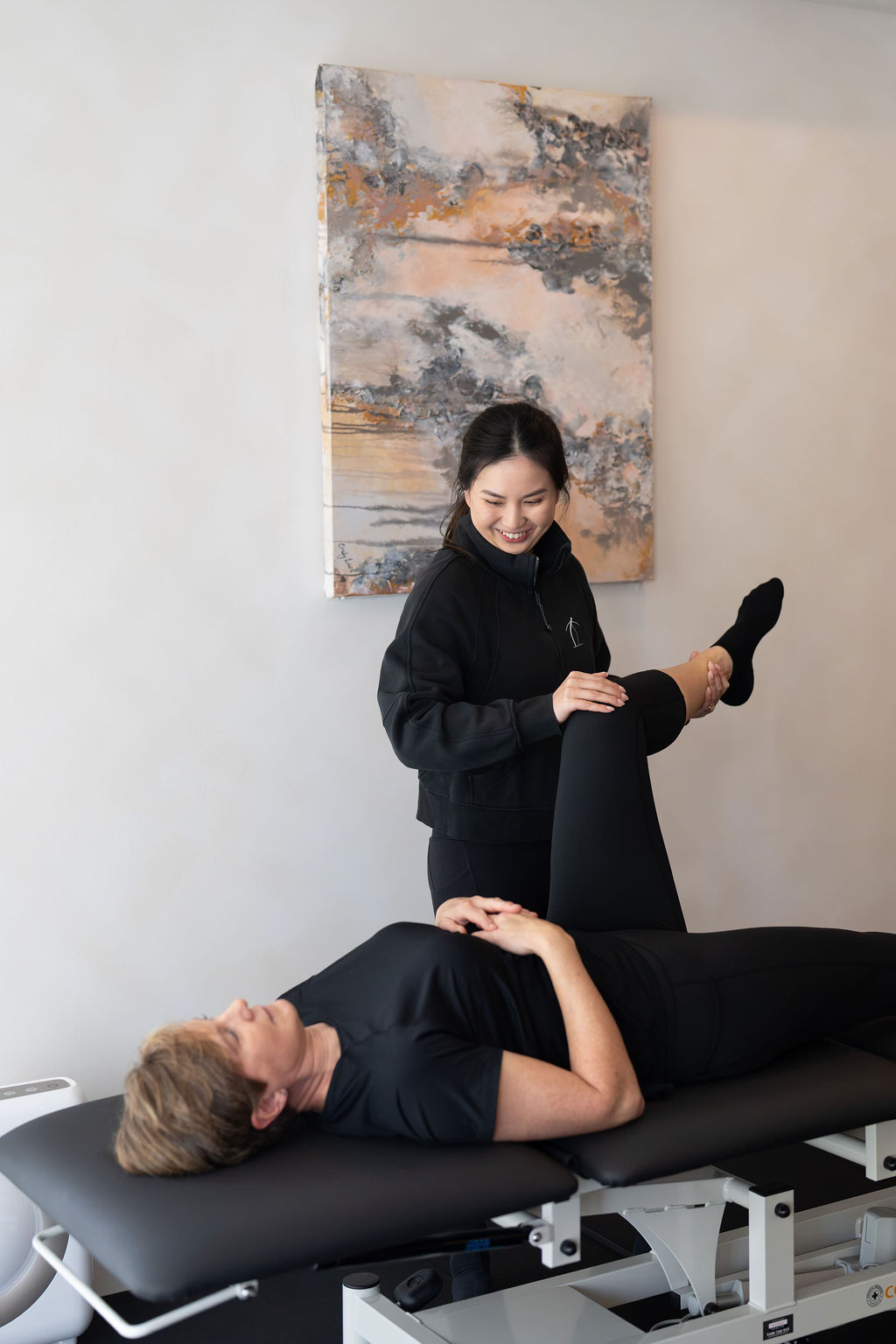
One of the biggest benefits of working with an Exercise Physiologist is learning the difference between discomfort that’s a normal part of building strength and pain that signals something needs to be adjusted. Sometimes the right approach is to keep going. Other times, it’s about modifying an exercise, reducing the load, or trying a different strategy altogether.
Strength training isn’t about pushing through pain at all costs. It’s about knowing when to push, when to pivot, and how to keep making progress safely. Rather than expecting your body to fit a generic program, we tailor each exercise plan to your health, your goals, and how your body responds along the way.
“The gym just isn’t for me”
Not everyone enjoys loud music, crowded weight rooms, or feeling like they don’t belong. Strength training is now offered in far more settings than it once was, whether that’s privately with an Exercise Physiologist or in smaller group sessions at your local clinic.
Finding a setting that suits you matters enormously. Some women thrive in a group, while others feel more confident training one on one or at home. You are more likely to stick with exercise when you feel comfortable, supported and confident in your environment [8]. Long-term consistency, not perfect workouts, is what produces lasting health benefits.
“I need to get fit first”
This is a little like saying you need to get healthy before visiting your doctor.
Every woman confidently lifting weights today started as a beginner. And to be honest, the beginner stage is often the most rewarding. It’s about tuning into your body, learning to respect it, and witnessing it do things it once couldn’t.
For context, the World Health Organization recommends adults do muscle strengthening activities on two or more days each week [9]. That is a realistic starting point, not an athletic one.
The strongest place to start
We understand the hesitations women can have when thinking about lifting weights. The women we see in our clinic, and our practitioners themselves, have experienced many of these same concerns. What strength training can offer is not only physical strength and improved health, but the beginning of a healthier relationship with your body.
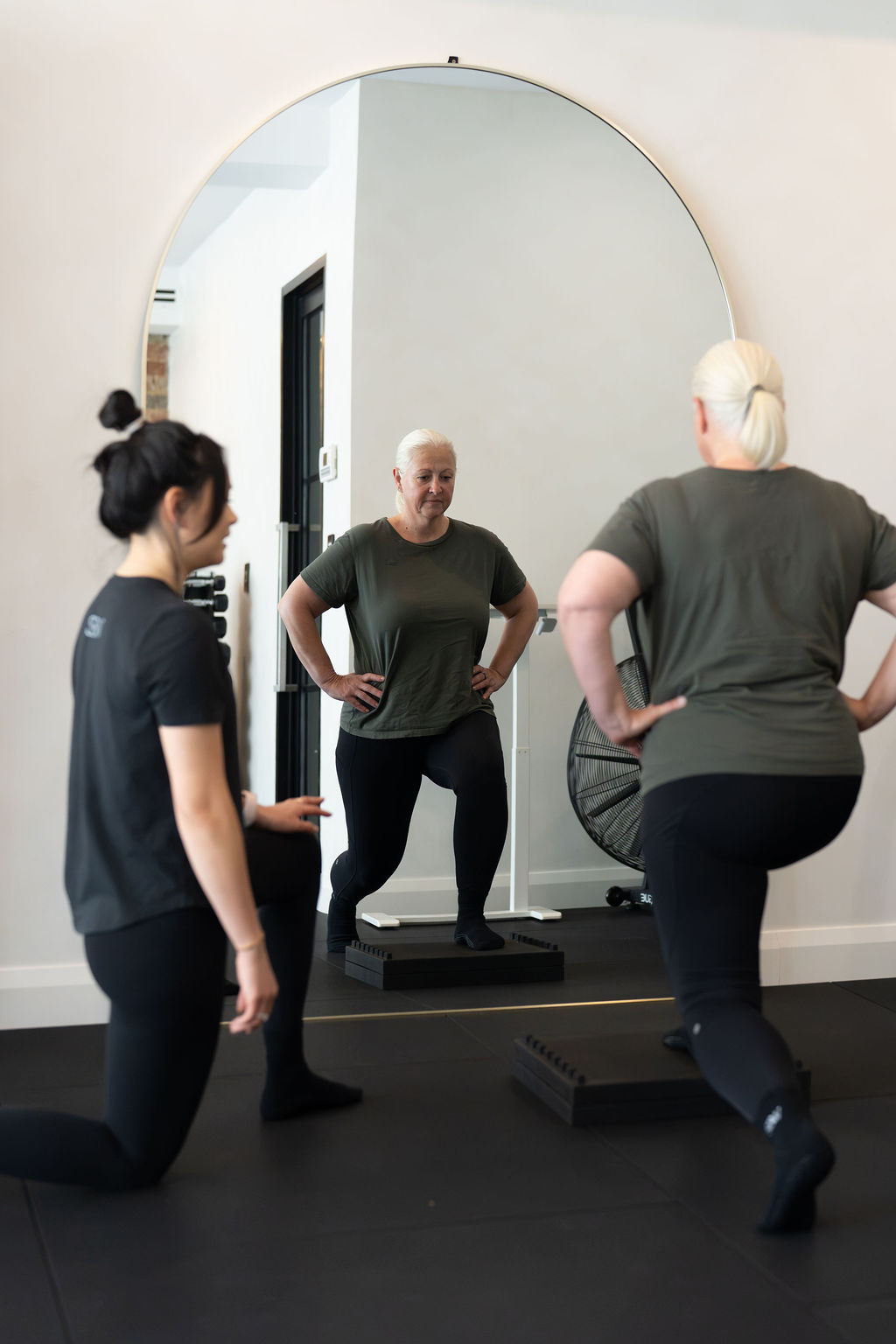
At Strength By Women, our Exercise Physiologists work with women across Lane Cove and the North Shore to build personalised strength programs. Whether you’ve exercised for decades or have never picked up a weight, we believe everyone deserves to feel confident taking that first step.
If you’ve been thinking about strength training but aren’t sure where to begin, your first step doesn’t need to be joining a gym. It can simply be a conversation.
Ready to start building strength? Book an appointment with the team at Strength By Women and take the first step towards feeling stronger, more confident and supported in your body.
Find out more or book here: Strength By Women
References
- Van Every DW, Lees MJ, Wilson B, Nippard J, Phillips SM. Load-induced human skeletal muscle hypertrophy: mechanisms, myths, and misconceptions. J Sport Health Sci. 2025:101104. doi:10.1016/j.jshs.2025.101104
- Volpi E, Nazemi R, Fujita S. Muscle tissue changes with aging. Curr Opin Clin Nutr Metab Care. 2004;7(4):405-410. doi:10.1097/01.mco.0000134362.76653.b2
- Beck BR, Daly RM, Fiatarone Singh MA, Taaffe DR. Exercise and Sports Science Australia (ESSA) position statement on exercise prescription for the prevention and management of osteoporosis. J Sci Med Sport. 2017;20(5):438-445. doi:10.1016/j.jsams.2016.10.001
- Grgic J, Garofolini A, Orazem J, Sabol F, Schoenfeld BJ, Pedisic Z. Effects of resistance training on muscle size and strength in very elderly adults: a systematic review and meta-analysis of randomised controlled trials. Sports Med. 2020;50(11):1983-1999.
- Fragala MS, Cadore EL, Dorgo S, et al. Resistance training for older adults: position statement from the National Strength and Conditioning Association. 2019. Accessed 9 July 2026. National Strength and Conditioning Association, Resistance Training for Older Adults
- Liu C, Latham NK. Progressive resistance strength training for improving physical function in older adults. Cochrane Database Syst Rev. 2009;(3):CD002759. doi:10.1002/14651858.CD002759.pub2
- Moseley GL. Reconceptualising pain according to modern pain science. Phys Ther Rev. 2007;12(3):169-178. doi:10.1179/108331907X223010
- Rodrigues F, Teixeira DS, Cid L, Monteiro D. Promoting physical exercise participation: the role of interpersonal behaviors for practical implications. J Funct Morphol Kinesiol. 2019;4(2):40. doi:10.3390/jfmk4020040
- World Health Organization. Physical activity. Accessed 9 July 2026. World Health Organization, Physical Activity
This is sponsored content brought to you by Strength By Women.