

From 1 September 2026, a single statewide plan decides which development application get notified to neighbours, replacing Lane Cove’s development notification policy and every other council policies across New South Wales.
At a Glance
- A new statewide Community Participation Plan (CPP) took effect on 1 September 2026, replacing the individual NSW council notification policy.
- Many everyday developments, including new houses, alterations, dual occupancies, subdivisions of up to five lots and small blocks of units, no longer have to be notified to neighbours as a matter of course.
- Larger or higher impact developments, such as residential flat buildings, shop-top housing, childcare centres and larger mixed-use projects, will still be publicly exhibited, but generally onlly for a minimum of 14 days.
- The change only applies to development applications lodged from 1 September 2026 onwards. Anything lodged before that date is assessed under the old rules.
- Every DA lodged with Council, notified or not, still shows up on Council’s online DA tracker, so residents can check (but who has time for that?)
If you have ever received a letter from Lane Cove Council advising you a neighbour has lodged a development application, that system has just changed for everyone in New South Wales, including Lane Cove.
The Environmental Planning and Assessment Amendment (Planning System Reforms) Act 2025 has been progressively reshaping the development process across the state, and as of 1 September 2026 the reforms dealing specifically with community consultation have commenced.
A single statewide Community Participation Plan (CCP) now governs how and when the community is told about a proposed development.
What no longer needs to be notified?
Under the previous system, each council set its own policy for which developments triggered a notification letter to neighbours.
The new statewide CPP standardises this, and the result there are a shorter list of development types that require public exhibition than under most councils’ previous policies.
Hunters Hill Council has explained post on its Instagram page.
“Residents may not receive a notification letter for some developments proposed on neighbouring properties, even though a development application has been lodged with Council.”
Under the new rules, Council are no longer required to send notification letters for a range of up to two-storey developments listed in the NSW Government’s Community Participation Plan, including:
- New houses
- Alterations and additions to existing houses
- Dual occupancies
- Attached dwellings, including up to five dwellings
- Secondary dwellings
- Other specified types of development
The changes also apply to modifications of previous approvals for these types of development.
Notification will take place if a development application seeks a variation to a height of building or floor space variation standard
That is a genuine shift in how development becomes visible to the people living next door, and it is worth understanding rather than discovering the day the demolition team moves in.
This means neighbours have no right to provide feedback on a development taking place next door. An old house could be demolished and a duplex built.
Canada Bay Mayor Michael Megna told Yahoo News Australia around 70 per cent of the development applications his council received last financial year would no longer require neighbour notification under the new rules.
What will still land in your letterbox?
Not everything has been taken off the notification list.
Larger and potentially higher impact proposals will continue to be publicly exhibited under the CPP, generally for a minimum of 14 days. This includes residential flat buildings, shop-top housing, childcare centres and larger mixed-use developments.
The CPP also sets standard minimum exhibition timeframes rather than fixed periods.
A consent authority (such as Lane Cove Council) can choose to exhibit a development for longer than the minimum if it is judged likely to generate significant public interest because of its location, nature or scale.
Lindsay Taylor Lawyers notes the CPP gives no guidance on how that judgement should be made, and no maximum exhibition period has been set.
Strategic planning documents, such as planning proposals, local strategic planning statements and broader planning studies that shape the future of an area, remain subject to community consultation and are not affected by the narrower notification list for individual DAs.
When it applies, and what still applies locally
The new rules only apply to development applications lodged from 1 September 2026 onwards.
Anything already in the system before that date continues to be assessed under the previous notification requirements.
Where a council’s old participation plan was folded into other documents, such as a development control plan or a community engagement strategy, the parts of those documents that are not about community participation continue to operate as before.
How to keep track of what’s being built near you
Even where a formal notification letter is no longer required, every development application lodged with Council remains publicly available.
Lane Cove Developments can be tracked here.
Hunters Hill Council developments can be tracked here.
Willoughby City Council developments can be tracked here. (for Lane Cove North and artarmon and parts of St Leonards).
You can also subscribe to a third party services such as Planning Alerts.
The statewide CPP itself does not set out exactly how councils must carry out exhibition and notification in practice, beyond giving examples of how engagement can occur.
Councils are expected to use their own community engagement strategies to detail how they will meet the notification requirements, which is part of why the practical experience of the change may still differ slightly from council to council even though the underlying rules are now the same.
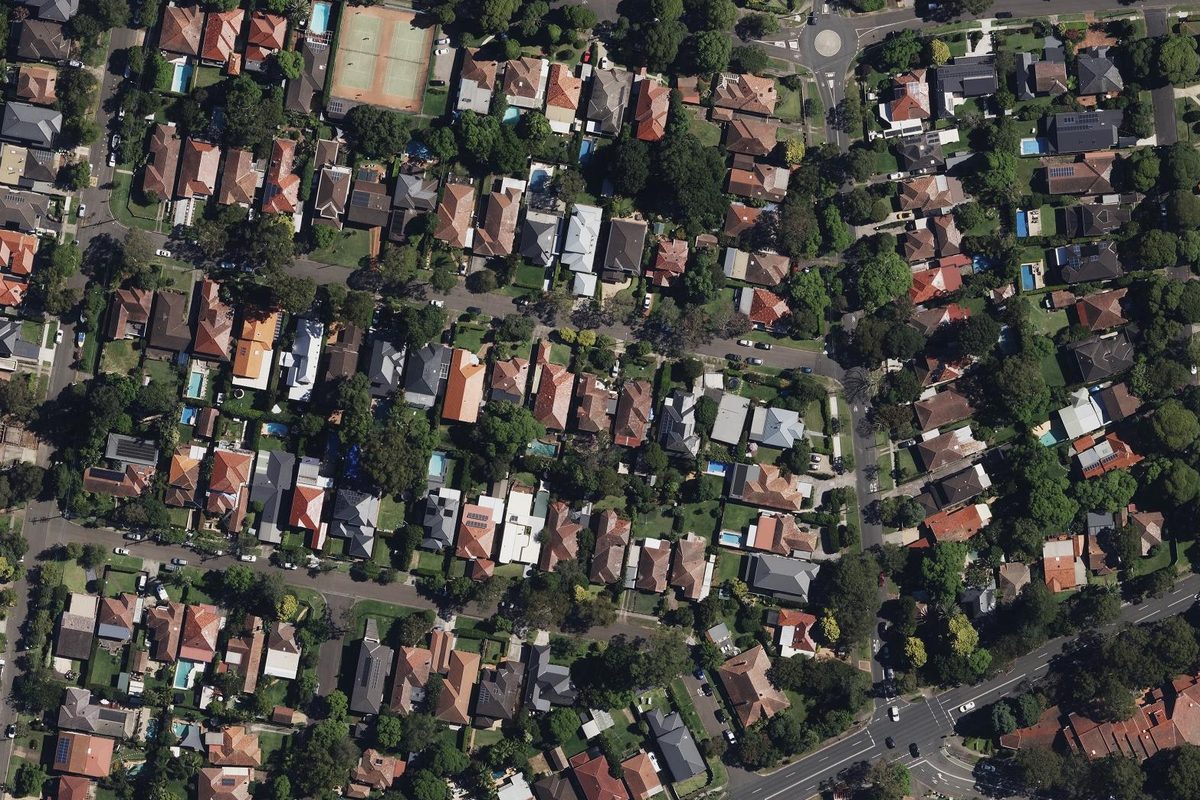
Cover photo: Sources: NSW Spatial Services’ SIX Maps, all © State of New South Wales (Spatial Services) and released under Creative Commons Attribution 4.0.
Support Independent Community Journalism
Why Local News Matters
In the Cove delivers independent Lane Cove news every day, 100% free, with no paywall. We write for the community, from within the community.
We are a proud member of LINA, the Local & Independent News Association, which supports small, independent publishers serving their communities with reliable, accountable local journalism.
Local news strengthens community connection, keeps residents informed, spotlights issues that bigger outlets overlook, and holds local decision-makers accountable. When local news disappears, communities lose transparency, trust and shared understanding. Your support helps ensure Lane Cove continues to have a strong, independent voice.
☕ Shout ITC a Coffee
❤️ Contribute Any Amount
📣 Advertise with Us