

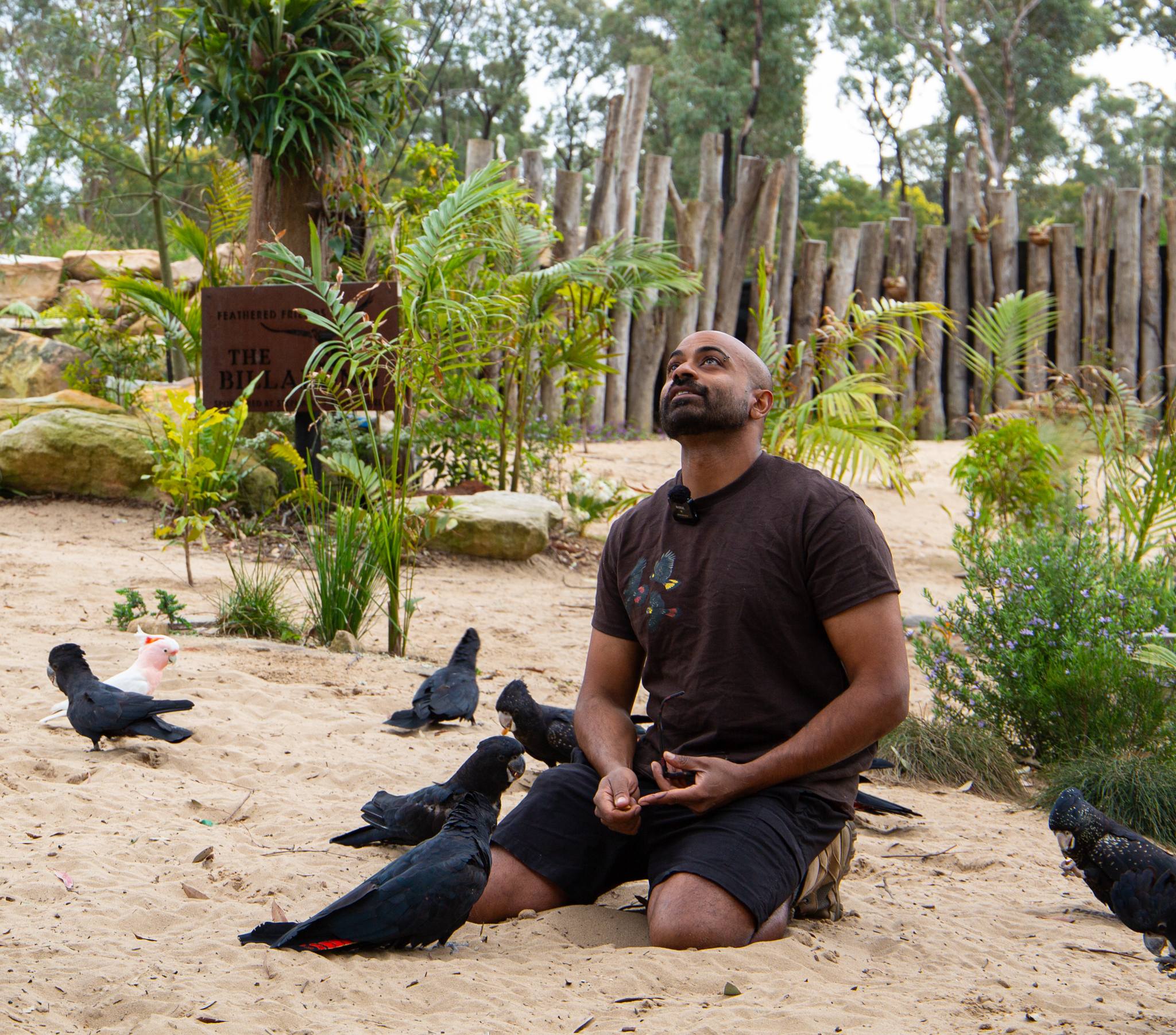
The piercing call of a black cockatoo isn’t quite the screech of its silver-crested cousin, and it’s distinctive enough to turn anyone’s head skyward. Unfortunately, it’s becoming increasingly rare, as conservationists predict the native bird to be extinct within decades.
Ravi Wasan noticed, and went on to found one of only three black cockatoo sanctuaries in Australia, and the only one that lets its birds free-fly.
“When I had the idea behind flying a black cockatoo, everyone was like, ‘You can’t do it. It’s just going to fly away.’ Which, actually, I thought as well,” Ravi told us at his bird sanctuary, Feathered Friends, in Bargo, south-west of Sydney.
“The only difference is I have almonds and pine nuts, which I can’t get in the wild. And to be honest, they love familiarity, they love trust, they love consistency. They understand that this free time is a part of their norm.”
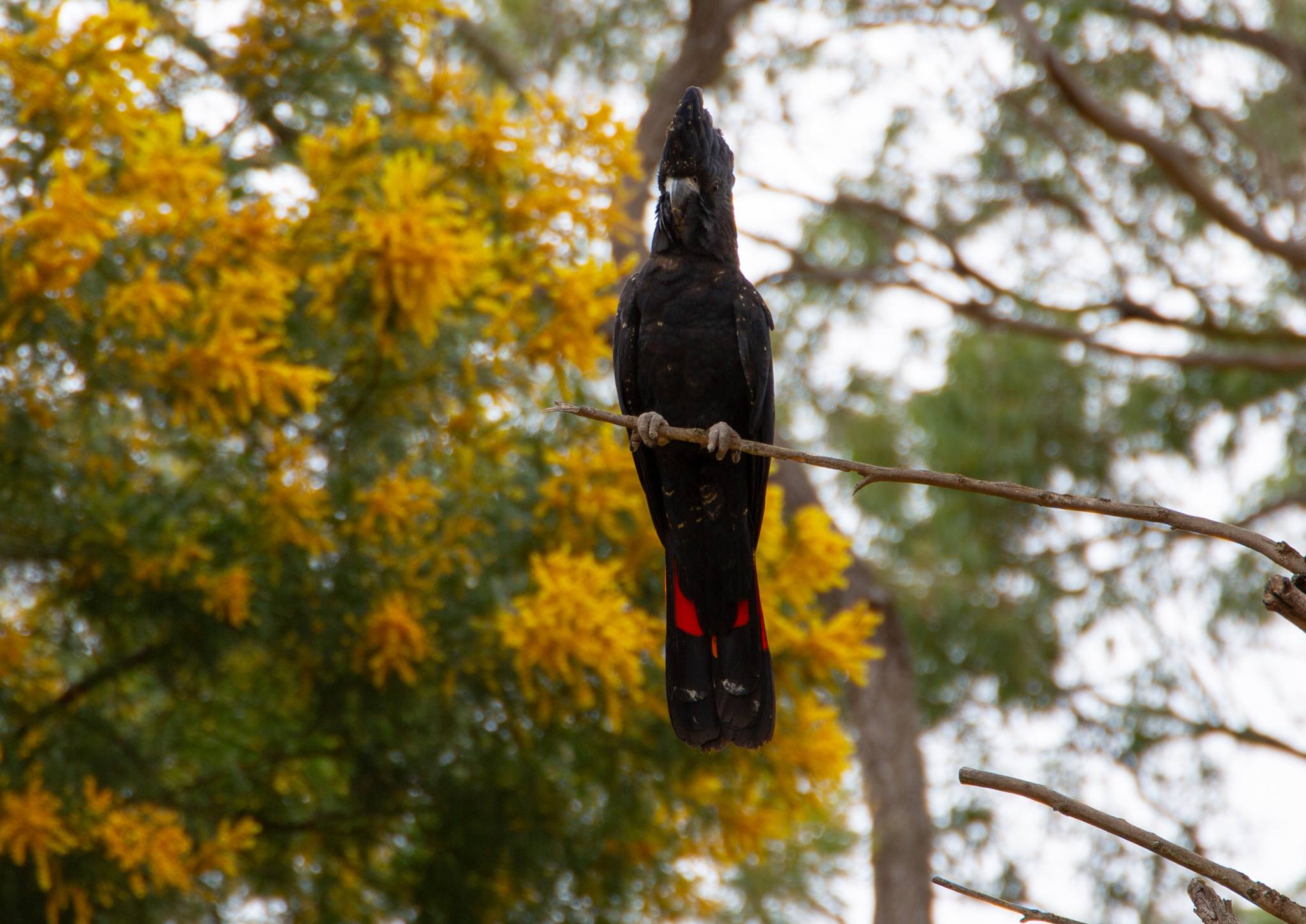
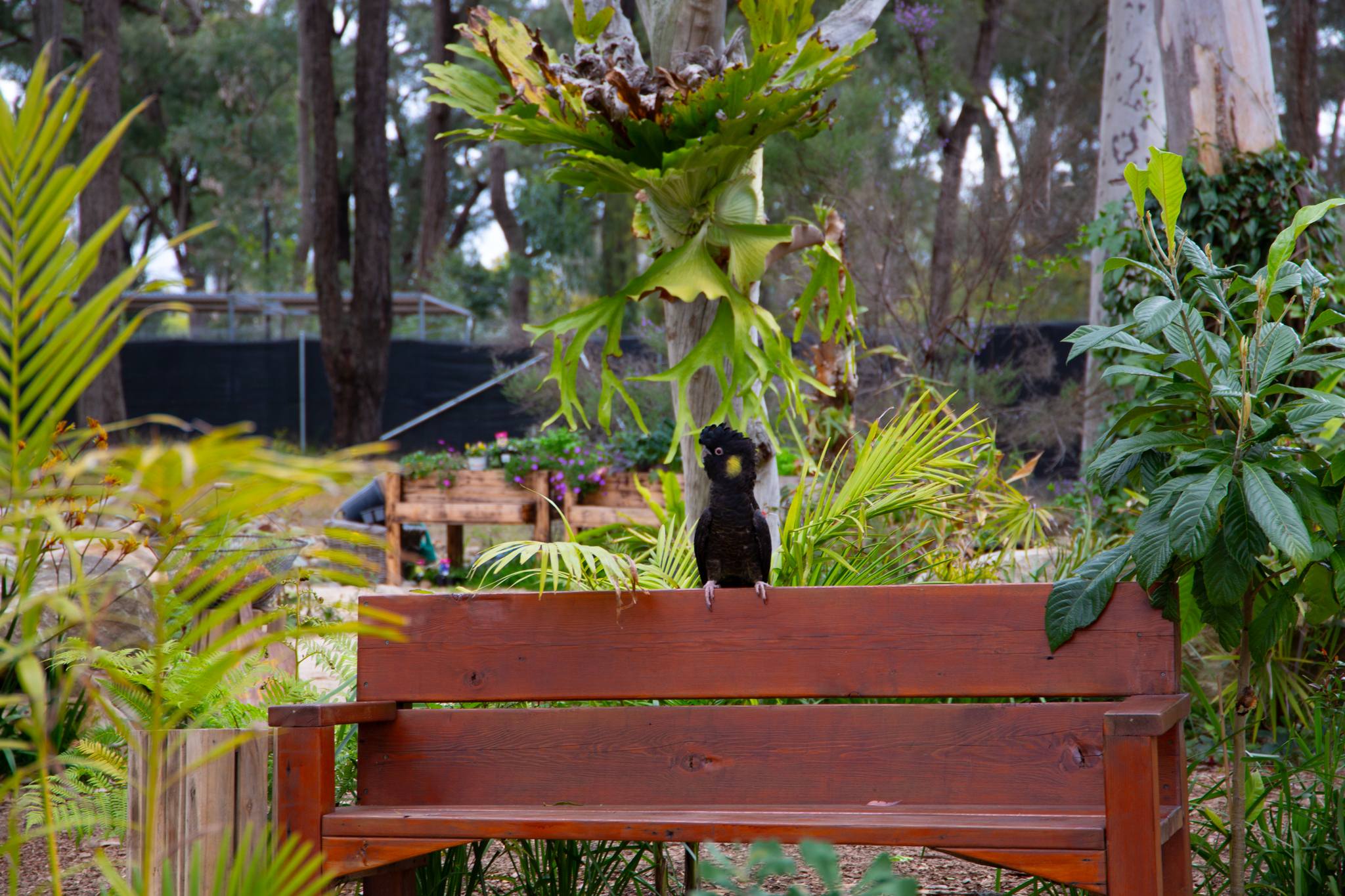
But it’s not only black cockatoos that the sanctuary rehabilitates and breeds. The free-flight aviary, which promotes itself as the first in the world, houses all types of birds, from a wide range of parrots to birds of prey like owls and eagles.
The 39-year-old conservationist has always had an affinity for animals. In his youth, he roamed the streets of South-West Sydney with his dog, Zeus, and his pet cockatoos. He went on to work as a dog trainer and studied law.
However, this changed when he attended a conference that outlined Australia’s dire extinction record: the country leads the world in mammal extinctions and is following the global trend of threatened bird species. From here, Feathered Friends was born.
These days, Ravi is so close with the black cockatoos that he can point them out individually: “I know them all by name. I know them all by sound. I know them all by flight pattern. I’m with them every day,” he said, as he began to rattle off the names of the numerous birds circling his feet.
It’s hard to fathom how the parrot patroller can control (as much as anyone can control a wild bird) hundreds of black cockatoos as he directs them out of their enclosure, bellowing his “C’MON!” cry as a kaleidoscope of red, yellow and black playfully swarms around him in free flight.
It’s even harder to believe that, despite this being one of the only breeding programs in Australia for the threatened native bird, it is not government-funded.
It Takes A Flock To Save A Species
Ravi and Co-Founder Alex Saleeby run Feathered Friends. About 16 months ago, the two moved their operations from Orchard Hills, Western Sydney, to Bargo because of construction works associated with the new airport.
To their delight, volunteers flocked to help build and establish the sanctuary’s much-loved billabong, which is a haven for hundreds of free-flight birds. “The most beautiful thing is humanity. People turned up, and we essentially built this sanctuary,” Ravi said.
Volunteers didn’t just show up to build the sanctuary; many stuck around to help with the day-to-day care of the birds.
“We’d met Ravi through our mutual love of black cockatoos. We’re ambassadors. We have supported them not only by advocating for them, but financially as well, and that’s allowed us to bring our own joy to being a lover of black cockatoos,” said Bargo local and previous NSW Ambulance superintendent, Stephanie Radnidge, who not only fundraises for the birds but also collects precious gumnuts for their diets.
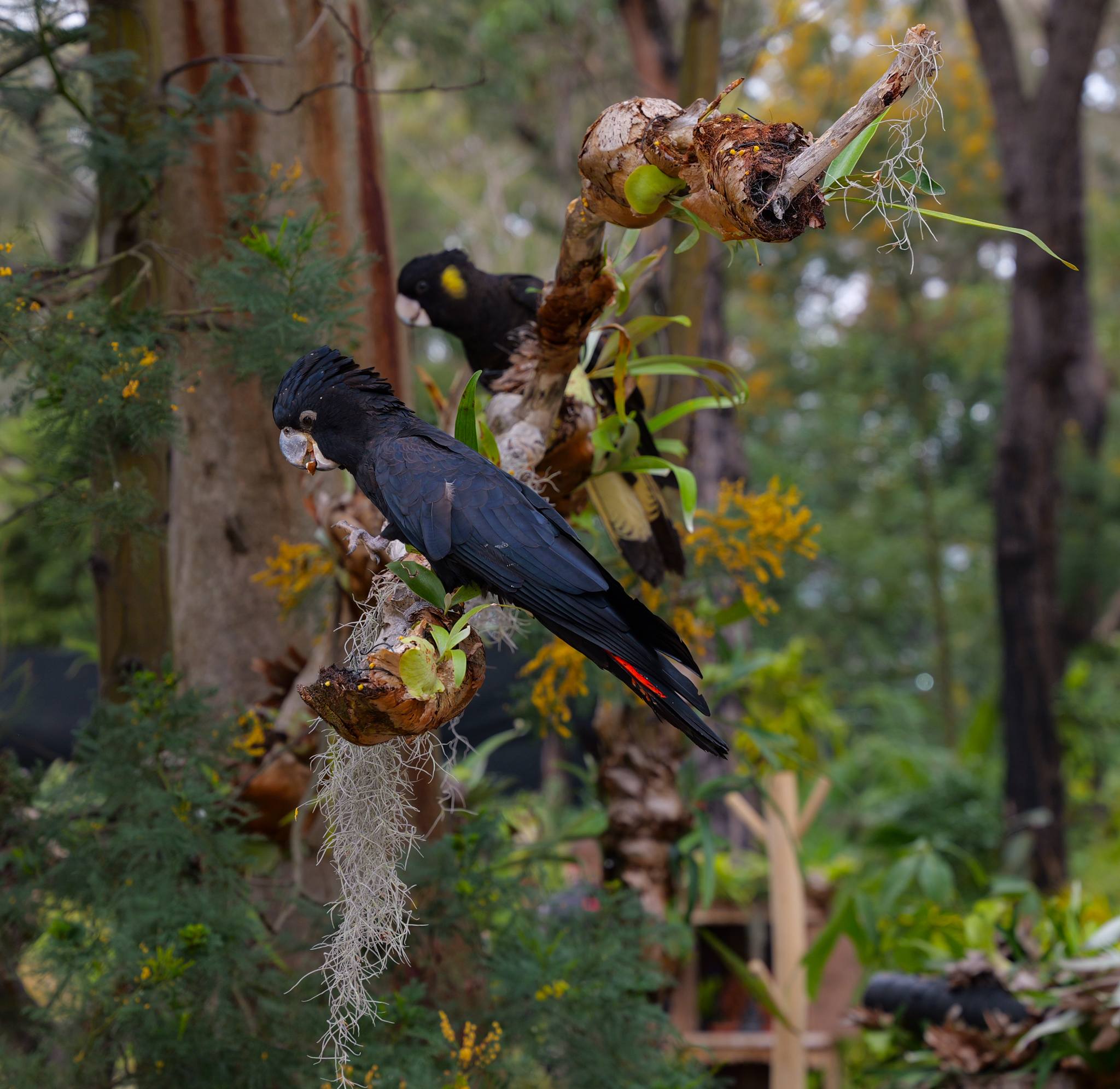
“Some black cockatoos will eat up to 200 of these a day in the wild. So the race is on every day when you have them, particularly when they’re breeding.”
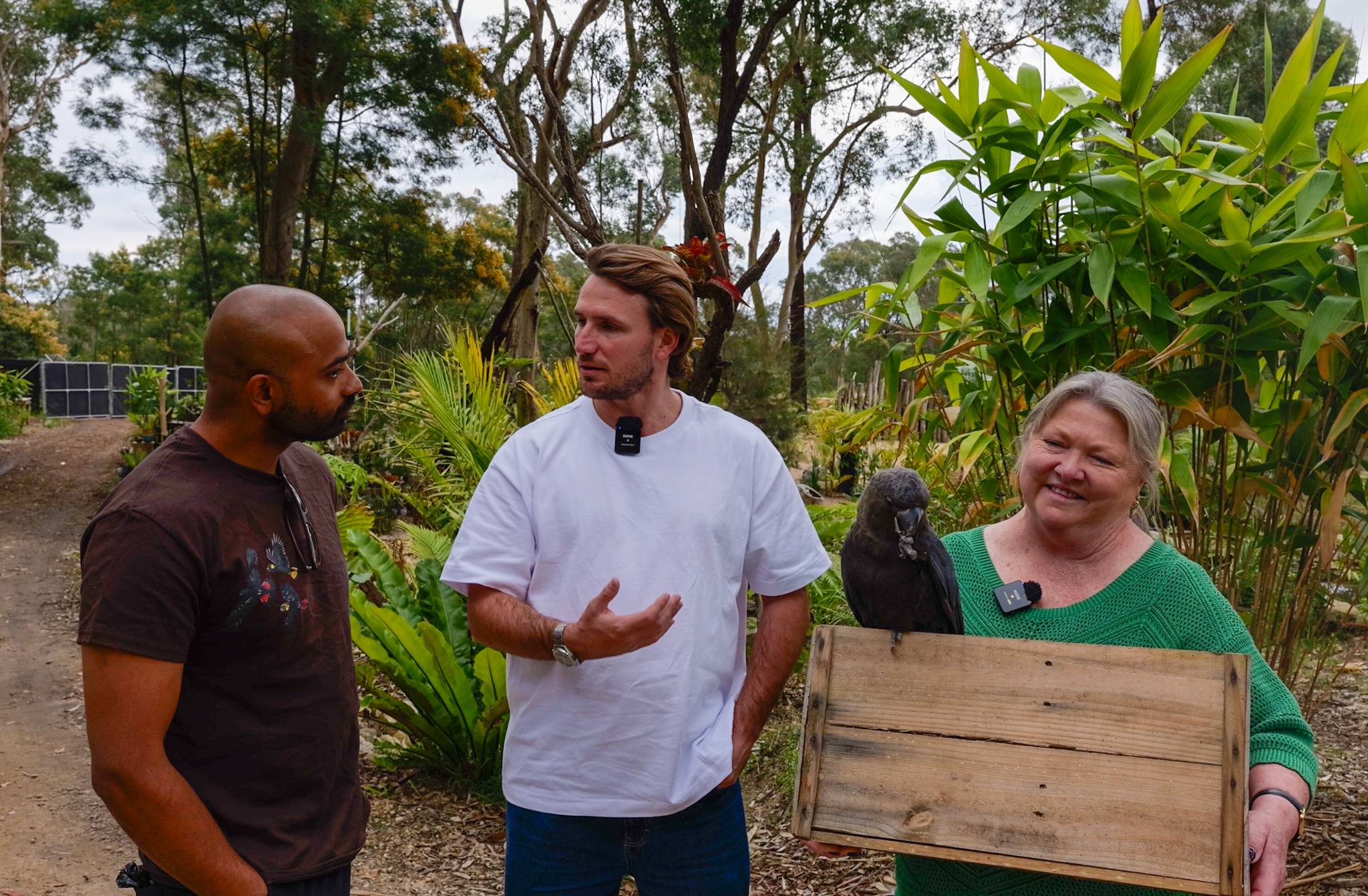
With many hands making light work, the sanctuary’s goals of breeding birds and training and rehabilitating them to live in the wild can thrive. The aviary’s Breeding Research and Recovery Centre (BRRC) has been running since 2018 and is constantly devising new strategies to support avian conservation.
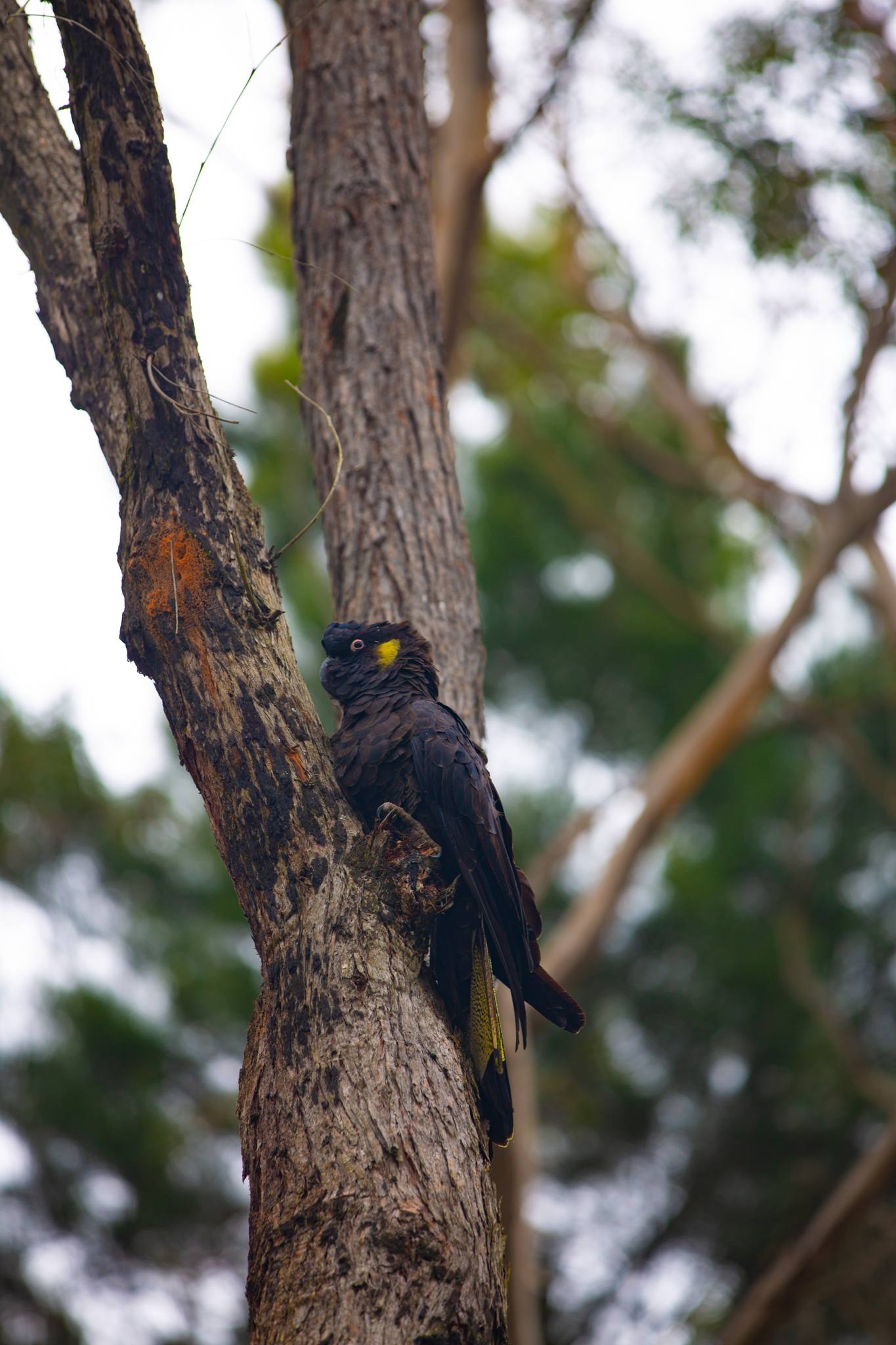
One impressive story is that of Yella, a 51-year-old yellow-tailed black cockatoo who grew up on a peanut farm. After fledging too early from his nest, the parrot struggled and was passed from home to home. Ravi made it his mission to teach an old bird new tricks.
“When he came here, I made this weird promise with him that I’d teach him how to free-fly. The biggest pain in my butt, because it took like two and a half years!” he said.
Thanks to the sanctuary’s combined hard work, hundreds of black cockatoos have been bred, trained or rehabilitated before being released to not only survive but thrive in the wild.
Closer to home, Lane Cove residents have been looking up more often this year, with yellow-tailed black cockatoos spotted over the suburb and nearby bushland.
Black Cockatoos And Lane Cove
Many may think there is only one type of black cockatoo, but in reality, different states host their own.
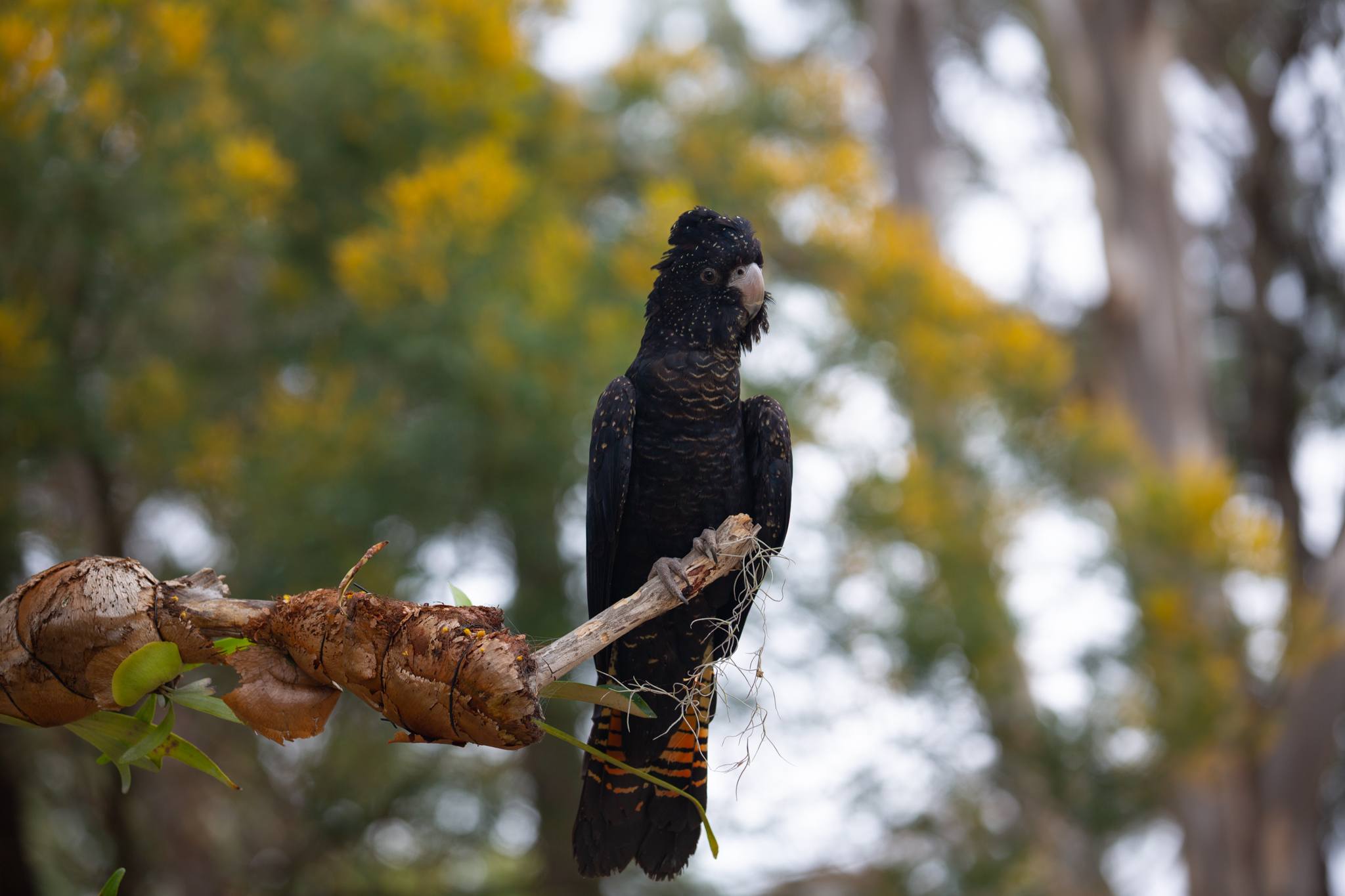
Four of the nation’s five black cockatoo species are on the threatened species list, and Carnaby’s and Baudin’s black cockatoos, found primarily in Western Australia, are the most at risk. Closer to home, you’re more likely to see the yellow-tailed black cockatoo, classified as least concern, and, if you’re lucky, the glossy black cockatoo, listed as vulnerable in 2022.
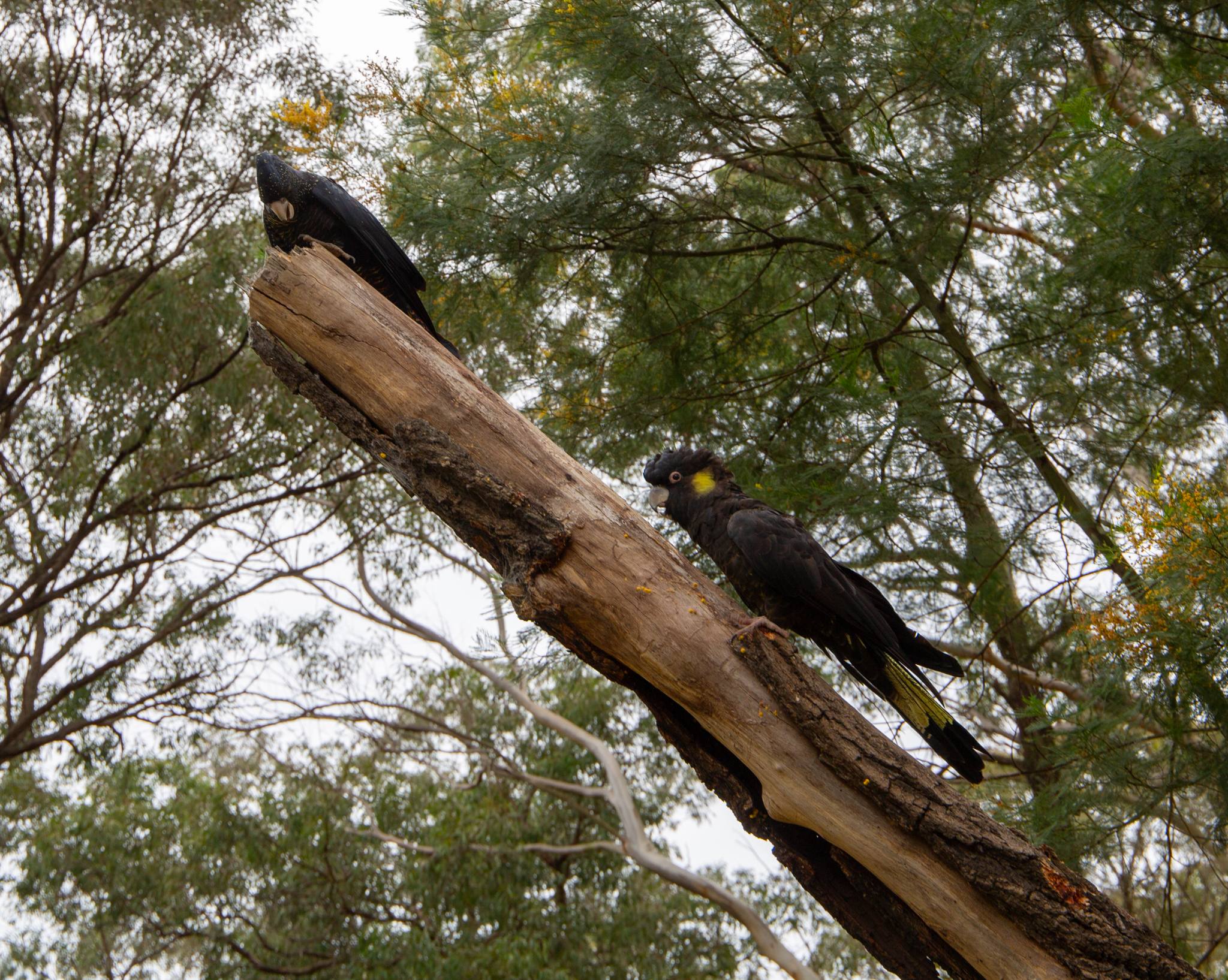
The biggest threat to these birds is habitat loss driven by land clearing, urban development, mining expansion and agriculture. In the South West of Western Australia, about 90 per cent of the original vegetation has been cleared, according to the Conservation Council of WA.
Here in the east, the 2019–20 Black Summer fires destroyed vast areas of habitat and food sources. The birds feed mainly on banksia and casuarina nuts and rely on the hollows of old trees for nesting – hollows that take more than 100 years to form naturally.
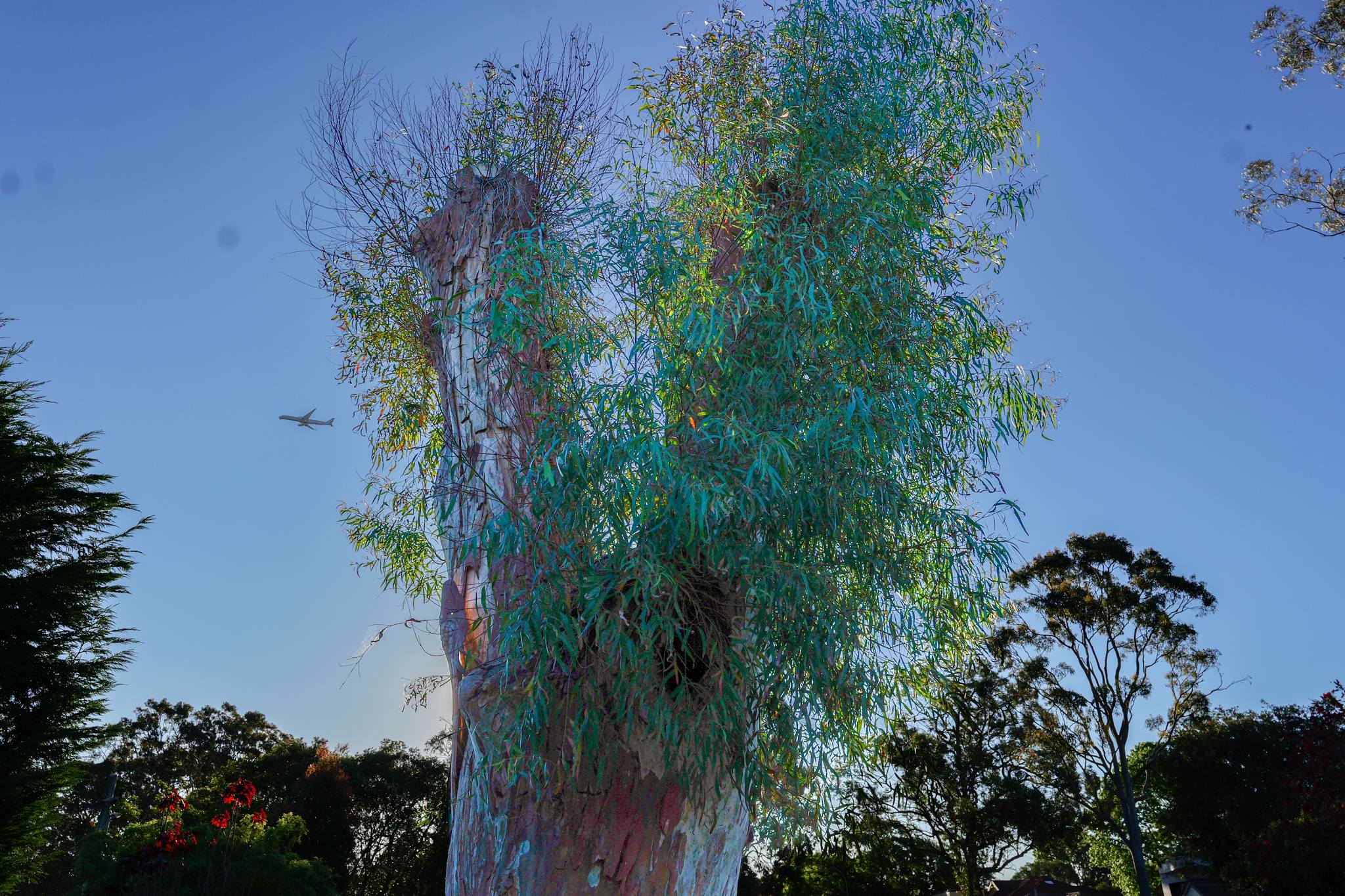
Lane Cove’s urban streets and its surrounding National Park host a variety of these trees, with residents and Lane Cove Council often electing to leave non-viable hollow trees standing as a haven for birds and animals.
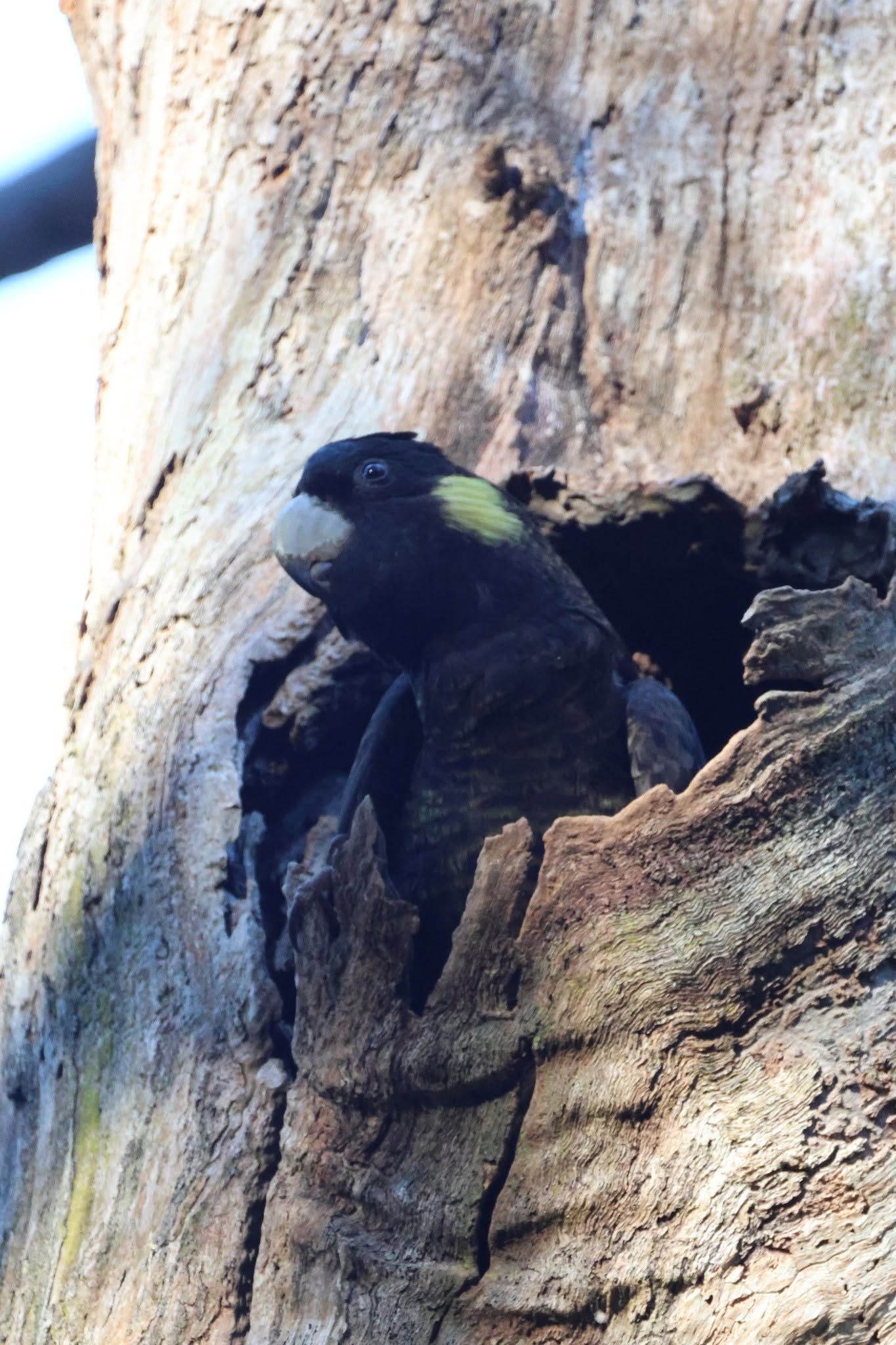
Locals have reported sightings of yellow-tailed black cockatoos flying around Lane Cove and surrounding suburbs. Recent public reports also show promising signs that the bird is nesting within the National Park.
Although much of Lane Cove’s bushland is protected, it still faces a variety of threats. Council has reported stormwater erosion, weed invasion, habitat fragmentation and illegal clearing as issues.
Local groups such as the Lane Cove Bushland and Conservation Society have been working on bushland and wetland restoration in the area since the 1970s. Council also teams up with volunteers through its Bushcare groups to restore these areas.
How You Can Be A Feathered Friend
As well as preserving and regenerating bushland in Lane Cove, you can support the native icon by donating to and visiting Feathered Friends. For all its hard work, the sanctuary is still not government-funded and needs all the support it can get to achieve its goals.
Alternatively, you can join the crew, as anyone can be a conservation hero. “If people want to be a part of something greater, you don’t have to throw in your legal career, or in my case, being a dog trainer as well, to do this,” Ravi said.
“Our community consists of accountants, marketers and lawyers, and we find a way to include you. You don’t have to be hands-on with the bird. There are ways to contribute.”
So, next time you hear that call over Lane Cove, look up – and consider what it took to keep it in the sky.