

Hi, I’m Renee, and I’m a chronic volunteer. So are many of us at In the Cove. I tell my kids to only do things that bring them joy. For the last few years I haven’t taken my own advice.
I took on roles when nobody else would. I said yes when people told me they really needed me. I saw others sinking and jumped in. By the end I was stretched so thin that I resented it. And if that’s what my kids were seeing, why would they ever put their hand up?
So I had to take a whole year off. No committees, no rosters, no events. I told everyone I needed to focus on my family, and I meant it.
Here’s the strange part. Nobody pressured me to stay. I was asked, I was happy to say yes, and then I stayed because of what I thought would happen if I stepped away. The pressure didn’t come from a person. It came from the gap I would leave behind.
That’s the trap. We wonder why nobody else is helping, but we don’t want to corner anyone either. The last thing any club needs is a volunteer who is only there because they felt pushed.
That isn’t what volunteering is supposed to feel like. It isn’t why anyone starts and it certainly isn’t what keeps people going. These days I try not to hear about the sinking ships. If I know one is going down I’ll be swimming out to it, dropping everything else on the way.
I don’t think I’m the only one. So I asked.
In early November In the Cove ran a volunteering survey and 163 of you answered, most within a day. Of those, 115 are volunteering now, 33 used to, 12 never have and six answered for local clubs and groups. What came back wasn’t just a story about busy people. It was a story about what happens when a community starts to feel like a service.
Our volunteering survey
163 locals told us what volunteering is really like
Current volunteers only, except the first tile.
Source: In the Cove volunteering survey, November 2026
Why people give
Let’s start with the good news. People still love this stuff.
“It’s a privilege and I get back way more than I give.”
That was one of our older volunteers, and they weren’t alone. The retirees who answered were the happiest volunteers in the survey. They averaged 4.3 out of 5 for energy and none rated themselves burnt out.
“I love the sport and helping people to also love the sport,” said Richard Stacy. Another volunteer compared it to giving blood: “It’s necessary and I might not directly see the benefits but I know it’s the right thing to do.”
There’s science behind that feeling. Economists call it the “warm glow”. In a 2007 study published in Science, researchers scanned people’s brains while money went to a food bank. The brain’s reward centres lit up, and lit up more when people chose to give than when the money was simply taxed.
Don Moloney knows the feeling. He has volunteered for 20 years and is president of the Lane Cove Public School P&C.
“It’s the work that gives me a wonderful feeling of satisfaction, that gives me more energy back than I put in. I’ve been addicted to that feeling for 20 years, and I’d love to get more people hooked on it too.”
It makes him happier, he says, gives him energy for his day job and makes him a better parent.

But there’s a catch, and it’s the heart of this story. An ANU study of more than 2,000 Australians in their mid-60s found wellbeing was highest among people who volunteered a moderate amount. People who didn’t volunteer at all and people who volunteered a lot both scored lower. The joy has a sweet spot.
Volunteering should bring you some joy. So the problem isn’t volunteering itself. It’s what happens when too much of it lands on too few people.
The load-bearers
For volunteers with kids at home, the picture flips. The 62 parents who answered averaged 3.3 out of 5 for energy. One in four rated themselves a 1 or 2, where 1 means burnt out. More than half, 34 of 62, had stayed in a role longer than they wanted because they worried nobody would replace them. Only four of the 20 retirees who answered said the same. So the pressure I felt, the gap rather than a person, isn’t just mine. It’s the most common trap in the survey.
Parents vs retirees
Parents are carrying the load
Current volunteers with kids under 18 at home (62) compared with retired or semi-retired volunteers (21).
Rate the pressure to keep going 4 or 5 out of 5
Feel resentful toward people who never help
Stayed in a role longer than they wanted
Rated their energy 1 or 2 out of 5
Source: In the Cove volunteering survey, November 2026
Across all our current volunteers, 43 per cent are doing more than they were a few years ago. Six in ten volunteer for more than one organisation and six in ten are doing more than their role was meant to involve. Half rate the pressure to keep going at 4 or 5 out of 5. And only 19 per cent are confident someone would step up if they stopped tomorrow.
“My house is falling apart at the seams… my laundry is constantly overflowing, my kids’ studies suffer.”
That’s a parent volunteer aged 45 to 54. Another summed up her experience in three words: “Love. Deflation. Love.”
I know that one. I wanted to be involved in my kids’ schooling, their sport and their lives, and I wanted them to see how much I cared. But add a full-time job, single parenting, the after-school run and the washing, and volunteering became the thing I did at night. It shouldn’t shave years off your life.
The gap you’d leave behind
Only 19% are sure someone would replace them
If you stopped volunteering tomorrow, would someone step up? 111 current volunteers answered.
Source: In the Cove volunteering survey, November 2026
The national numbers tell the same story. The latest ABS General Social Survey shows the share of Australians volunteering through an organisation fell from a peak of 36.2 per cent in 2010 to 22.6 per cent in 2025. Yet formal volunteering hours rose from 490 million in 2020 to 618 million in 2025. According to Volunteering Australia, the number of formal volunteers barely changed. Roughly the same people are doing about a quarter more work.
National data
Fewer volunteers, more hours
Formal volunteering through an organisation, Australia.
Share of adults volunteering
Total hours a year
Source: ABS General Social Survey 2025; Volunteering Australia
Customers, not community
The strongest theme in the survey wasn’t time. It was a feeling that something has shifted in how people see their clubs and schools.
“Cultural shift: people see themselves as customers, not community members.”
That was Andrew Simpson. Lynne Spencer, who volunteers across several local groups, said people are “so used to being a ‘customer’ and dealing with ‘employees’” that they don’t realise they’re being demanding.
“They deserve a village but feel it would be unfair for anyone to expect them to be a villager.”
Volunteering is a gift. Gifts work when they come back around. When they don’t, people feel it. Almost half our current volunteers, 55 of 113, said they sometimes or often feel resentful toward people who benefit but never help. Among parents it was nearly six in ten. So the resentment I felt before I stopped turns out to be very common.
There’s a cruel twist too. The work volunteers do is invisible to the people using the service, who assume things just happen. But the overload is very visible to the people who might help. They see the load-bearers drowning and think, “I could never do that.”
The ITC newsletter
Never miss what's happening in Lane Cove
Free local news in your inbox every Thursday. Join thousands of locals.
The hardest part
It isn’t just time. It’s the same few doing everything
What current volunteers said is the hardest part. People could tick more than one. 113 answered.
Source: In the Cove volunteering survey, November 2026
Why people walk away
Thirty-three people told us they used to volunteer. Most didn’t stop caring. They stopped because of time, work and family changes, kids moving on and burnout. Forty-five per cent felt pressure to stay before they finally left.
Some reasons were harder to hear. Several described cliques and an unwelcoming culture. “I found it very clicky,” one man wrote. “I was the only male and felt I was in the movie Mean Girls.” Others pointed to red tape: hours of training and checks before a new volunteer can even start.
Here’s the hopeful part. Of the past volunteers who answered, 19 of 26 said they would volunteer again. They want flexibility, a role they can walk away from and a group that makes them feel welcome.
The edge
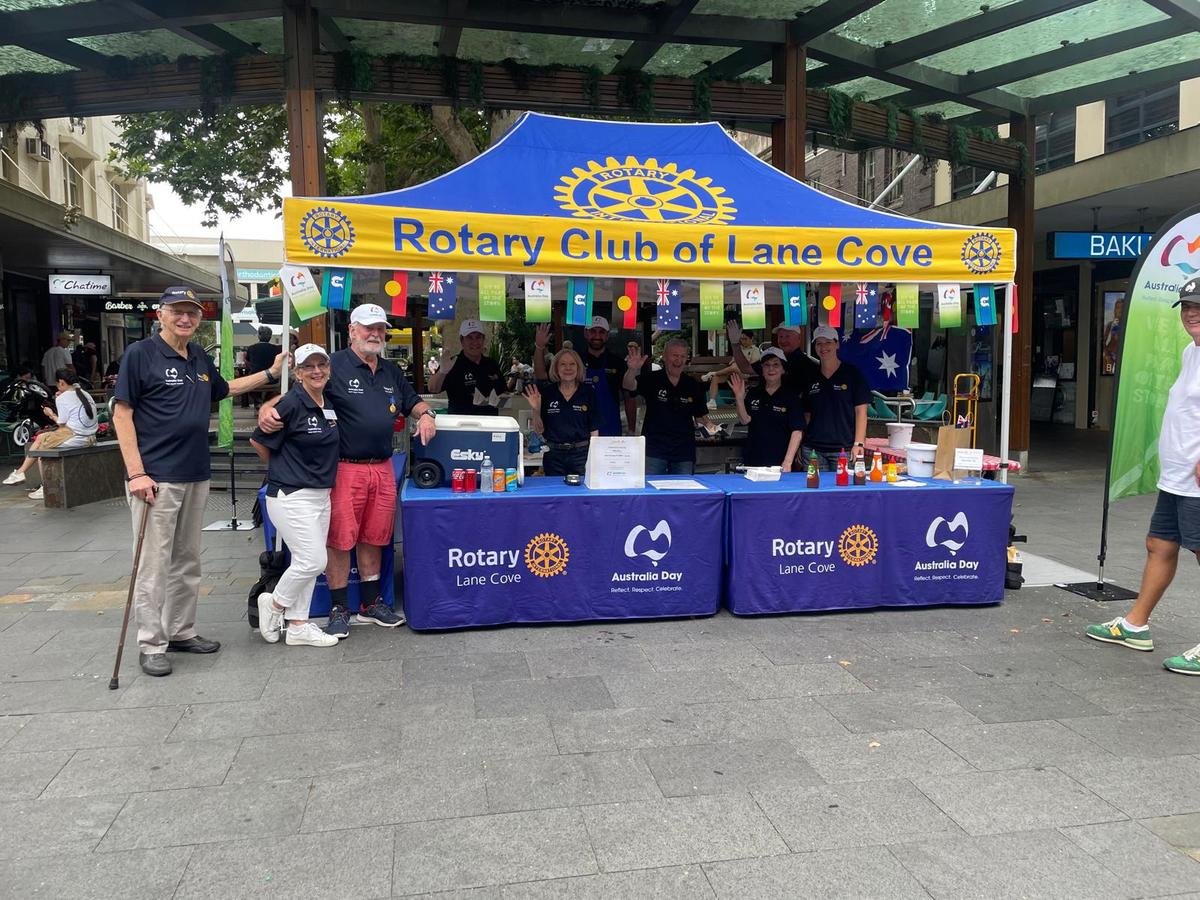
Six local organisations and groups filled in our survey. Five said the same core group does most of the work. The sixth said “mostly”. Statewide, volunteer managers told The Centre for Volunteering that fewer people are available for board and committee roles.
The Lane Cove RSL Sub Branch has five active volunteers, down from eight five years ago. Its treasurer role is vacant and its secretary wants to step down. Asked what would happen if it couldn’t fill its roles, it said: “We might have to fold.” Young veterans, it said, either can’t afford to live here or are time poor with both partners working.
Can money fix it?
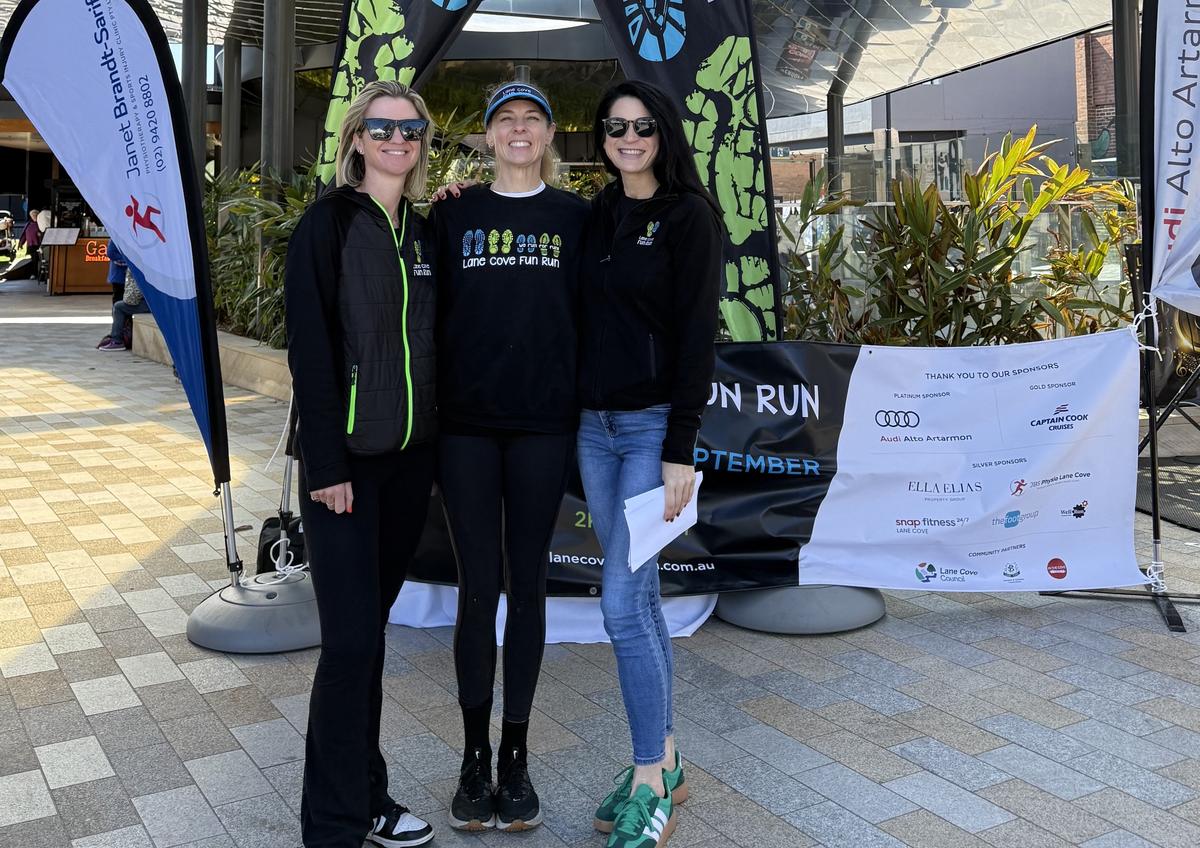
If the volunteers aren’t there, the obvious answer is to pay someone. Some groups already have. The Lane Cove Public School P&C, which runs the Lane Cove Fun Run with around 100 event volunteers, paid someone to cover admin when the workload “hit a crisis point”. But every dollar spent on wages is a dollar not going to the kids or the cause. Fees go up. The Centre for Volunteering values a volunteer hour at $52.19.
Some clubs charge a levy that families can pay instead of volunteering. It doesn’t always work. One local volunteer, who recently handed over her club’s presidency, said her club charged a $50 volunteer levy. Parents got it back once they had done a volunteer role. “Our club was so wealthy most of the parents didn’t care,” she said. One mum even offered her another $50 to stop calling. As she put it, “chucking money” at the problem “does not alleviate the volunteers’ burn out.”
The asking gap
Here’s the puzzle. Clubs told us they are desperate. They post in group chats, put call-outs in newsletters and plead at AGMs. One volunteer said that when they ask “can anyone help with xyz”, silence is the answer.
Yet a common reason people gave for never volunteering was that nobody had asked them, or they didn’t know how. Four of the 12 non-volunteers said exactly that. “I’m not aware of anywhere looking for volunteers,” one wrote. Alcira said the problem was not knowing the “first port of information”.
But I think both sides are telling the truth. They just mean different things by “asked”.
To a club, asking means a call-out to everyone. To a potential volunteer, a message to 200 parents isn’t an ask at all. It’s background noise. Everyone assumes someone else will answer. Psychologists call it diffusion of responsibility.
The asking gap
Both sides are telling the truth
Clubs say they keep asking. Non-volunteers say nobody asked them. They mean different things by “asked”.
Source: In the Cove volunteering survey, November 2026
Being asked means someone you know saying your name and naming a job. The data backs this up. In NSW, The Centre for Volunteering’s 2025 State of Volunteering Report found being invited by family, friends or colleagues was the most common path in, for 41.9 per cent of volunteers.
Volunteering also seems to run in households. More than half our current volunteers, 61 of 112, live with someone else who volunteers. Among past volunteers it was three of 32. Often the ask that works is the one made across the dinner table.
Would they say yes? Eight of the 11 non-volunteers who answered said they’d take a small role or a few hours a term if a club their family used was about to fold. Two said nothing would get them there. One, working around 60 hours a week, would rather pay higher fees. Fair enough.
Some groups are already working this out. At the Lane Cove Public School P&C, Don Moloney said reaching out to the whole community every time wasn’t working. So the P&C started a group for people interested in helping, with no commitment, and goes to them with specific jobs. “Starting a group for interested volunteers without commitment seems to have been successful,” he said. Saying an event wouldn’t go ahead without volunteers also got people moving.
This is the sinking ship problem. When the call-out goes to everyone, the chronic volunteers swim out again and everyone else assumes it’s handled.
So the personal ask works best. But here’s the crappy part, and I say this as someone who has needed replacing. It is not that easy. Who do you ask? You don’t know who’s interested. You don’t know everyone’s skills. You have no idea what’s going on in someone’s life right now or whether they have any capacity at all. And the person doing the asking isn’t an employer with an HR team. They’re a volunteer themselves, usually a tired one.
So if a stretched committee sends out a call-out instead of running a face-to-face recruitment drive, that’s fair. And it flips the job back to the rest of us. If you didn’t open the email, didn’t read the post and didn’t listen when they asked at the presentation night, that’s on you, not them. Nobody’s feelings get hurt if too many people put their hand up. That’s the best problem a club can have.
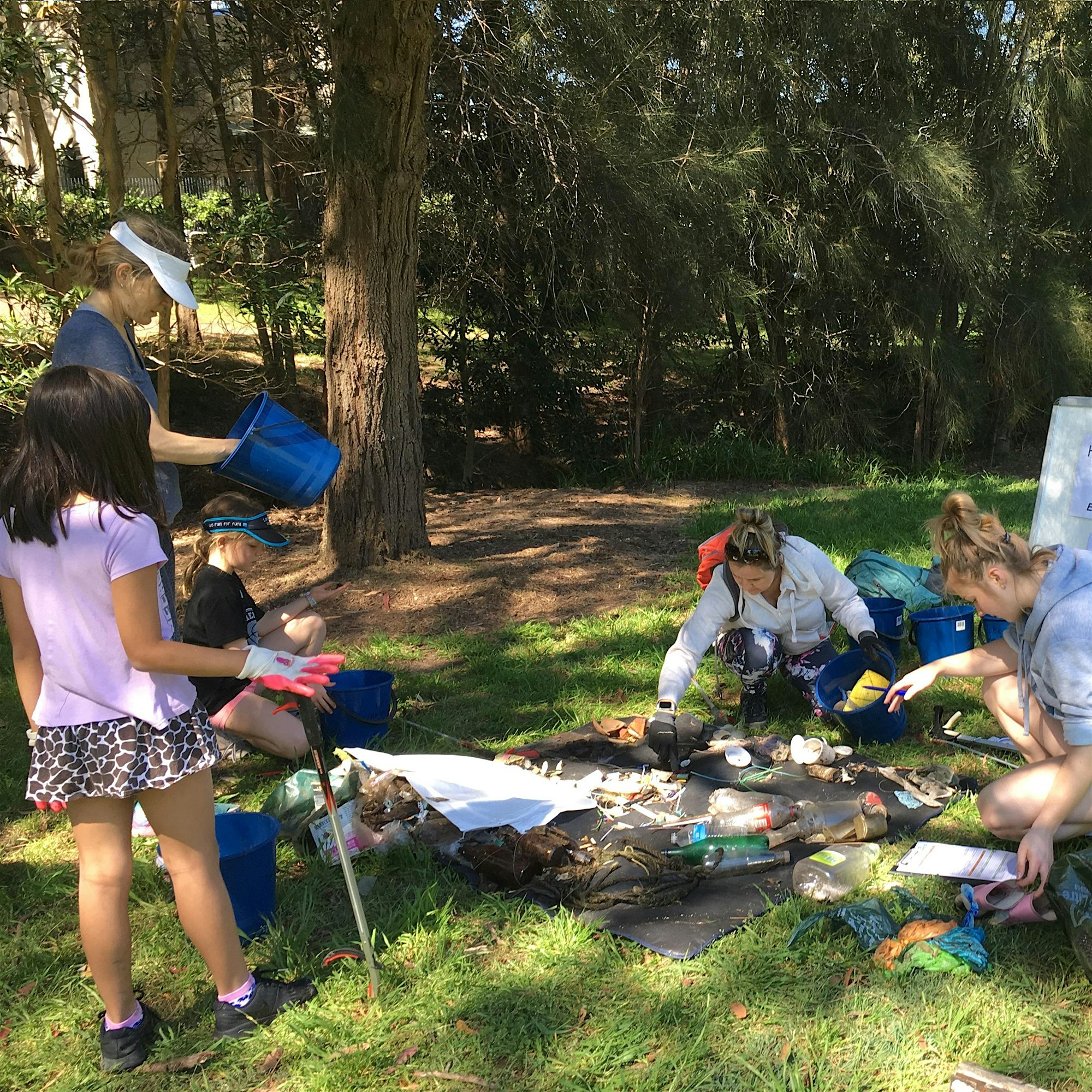
Say thank you, out loud
Fifteen of our current volunteers named a lack of thanks as one of the hardest parts. One described volunteering as “rewarding but time consuming and mostly thankless”. Another said she really enjoys it but wants “more recognition”. Another suggested schools reserve the front rows at the end-of-year concert for parents who helped out during the year.
Recognition costs nothing and it matters. So here are the awards where you can nominate the person who never says no.
NSW Volunteer of the Year Awards. Run by The Centre for Volunteering. Lane Cove sits in the North Shore region, and locals did well this year. Gabriel Dickinson from Greenwich, deputy commander of the North Sydney SES unit, was named 2026 North Shore Volunteer of the Year, and Jeff Lewis from Riverview took the adult award for his work with the Making Waves Foundation. Nominations for 2027 open early in the new year.
Lane Cove Council Citizenship Awards. Held every two years, with a Community Service category for volunteers. Nominations for 2028 are open now.
Also worth knowing: International Volunteer Day is 5 December, National Volunteer Week runs every May, our state MP names a Local Woman of the Year each March (In the Cove founder Jacky Barker was Lane Cove’s in 2017), and anyone can nominate someone for an Order of Australia at any time.
What would actually help
Here’s the thing about being too busy. We all are. Single parents, business owners, parents working full time with three kids in three different sports. Retirees are the honest exception, and they’re also the ones telling us volunteering is the best part of their week. For the rest of us, busy isn’t a reason not to help. It’s a reason to make helping smaller.
But there’s a catch with small asks. A sausage sizzle shift only exists because someone is president, someone is treasurer and someone is secretary. Every P&C, every sporting club and most community groups need those roles filled before anything else can happen. They’re the hardest roles to fill and the easiest to burn out in. If small asks are how you get people in the door, the executive roles are where clubs need to be cleverest.
Don has become, in his words, “a bit obsessed” with one practical question: how do we make volunteering work for busy people? “If a fair go depends on people having spare time, we’re in trouble.” His answer is flexibility. Some parents love an hour turning sausages. Others want a committee seat, a project to own, or admin they can do after the kids are in bed. “My job is to make those opportunities available, help people feel useful and appreciated, and make sure they have a good enough experience that they want to come back.”
From my own experience and from everything you told us, here is what I think would actually help.
Ask by name when you can. “Sam, can you do the barbecue from 9 to 11 on Saturday?” works better than anything. But the person asking is a volunteer too, with no idea who’s interested or who has capacity. So clubs, ask by name where you can. Everyone else, when the call-out comes via email text or group WhatsApp, answer it. Raising your hand is the ask.
Make the job small. Fifty people doing two hours beats five people doing twenty. Break the big roles up before you advertise them.
Put an end date on it, and honour it. People will sign up for a year. They won’t sign up for life, and they shouldn’t have to.
Give every executive a deputy, or a bench. Nobody should be the only person who knows how the registrations work. Pair every president, treasurer and secretary with a deputy, or better, a small team of assistants who each take a slice of the job. That’s how one resignation stops sinking a club.
Say thank you out loud. In the newsletter, at the presentation night, in front of the kids. It costs nothing and fifteen of our volunteers said the lack of it is one of the hardest parts.
Let people leave. If someone says they’re done, thank them and mean it. A volunteer who stays out of guilt is a volunteer who resents it, and everyone can tell.
But one past volunteer said it best.
“If you have 50 people doing 2 to 3 hours each, it’s better than having 5 people doing 10 to 15 each.”
Can you put your hand up?
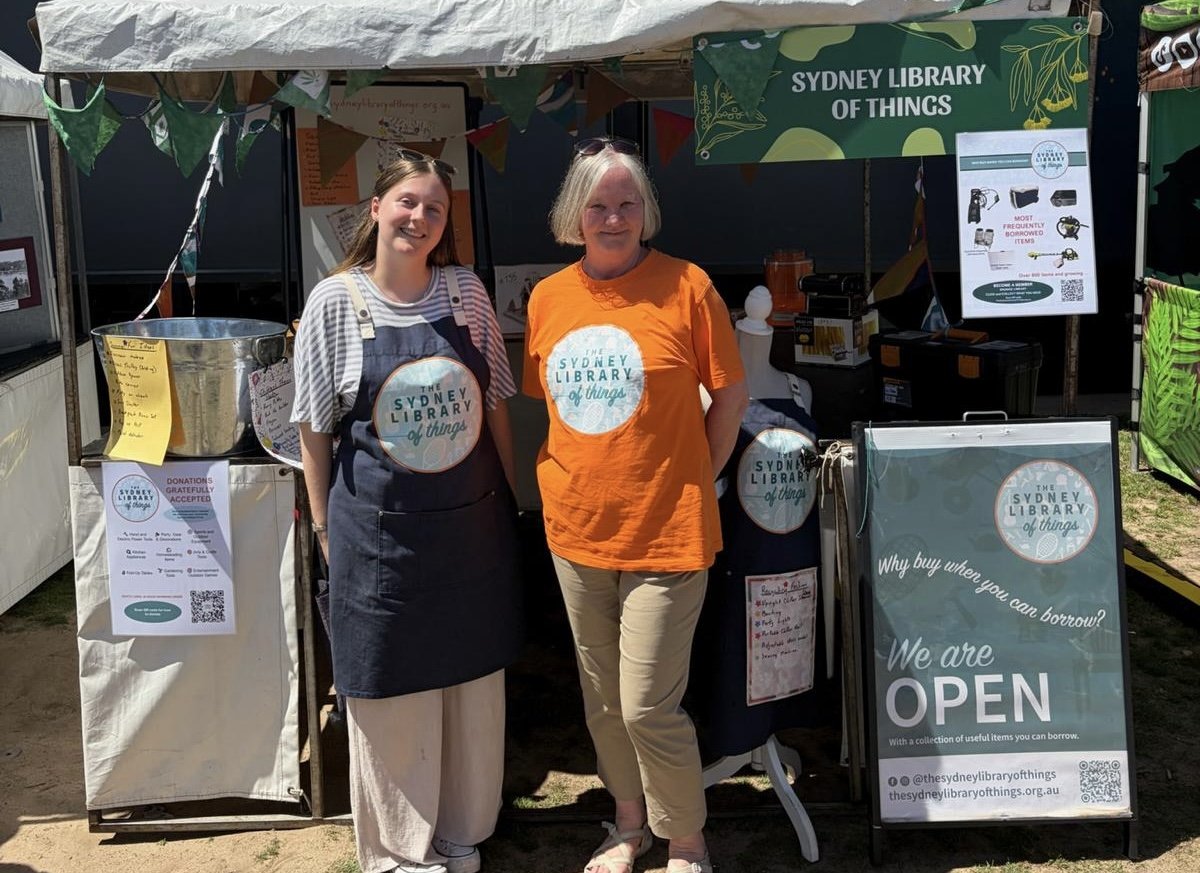
You don’t have to become president. A single canteen shift, an hour at a carnival or a skill you already have can take real weight off someone who has been carrying it for years.
Or as Don puts it: start small. “It doesn’t have to be a big commitment, and it doesn’t have to be formal volunteering. When we turn up for each other, we’re building community.”
There’s an old saying that many hands make light work. I’ve never found a truer one. The hands are out there. Our survey says so. We just have to ask for them one at a time, give them something small to carry, and say thank you when they do.
Let’s get volunteering back to being fun. Not less of it. Less of it on any one person.
Key takeaways
- Lane Cove doesn’t have a volunteer shortage so much as a load problem. Half of our current volunteers feel resentful and only one in five think they’d be replaced.
- Parents are carrying it. Retirees are the happiest volunteers in the survey.
- Personal asks work best, but the person asking is a volunteer too. Clubs, ask by name where you can. Everyone else, when the call-out comes, answer it. Too many hands is a great problem.
- Executive roles are the real gap. Give every president, treasurer and secretary a deputy, or a bench of assistants who each take a slice.
- Say thank you out loud, honour the end date and let people leave without guilt.
- Clubs and groups: post your roles free in In the Cove’s Volunteering section and we’ll keep promoting them.
Not sure where to start? In the Cove now has a free Volunteering section on our website. Any local club, school, charity or group can post a volunteer role for free, and anyone can browse what’s on offer. Clubs and groups, add your volunteer jobs there, executive roles included, and we’ll keep promoting them on In the Cove.
Lane Cove Council also hosts around 600 volunteers a year, from Bushcare to the library. See its volunteering page. For roles further afield, GoVolunteer lists thousands of roles across Australia, or try The Centre for Volunteering’s Find a Volunteer Role search.
Are you a volunteer feeling the strain, or a club or group that needs people? Post your role in our Volunteering section, or tell us your story. Send us a WhatsApp message on 0470 490 417 (text only) or email [email protected].
Renee Maxwell is the publisher of In the Cove and a recovering chronic volunteer.
Support independent local news
In the Cove is 100% free to read, with no paywall, and it always will be. We write for the community, from within the community. If you value local news, chipping in helps keep it coming.
Proud member of LINA, the Local & Independent News Association. Want to reach locals? Advertise with us.