

A new report from Doctors for the Environment Australia (DEA) has renewed calls for the federal government to phase out fossil gas, citing mounting evidence of health harms that run from extraction through to the appliances in our kitchens.
For Lane Cove residents, the findings will sound familiar. Lane Cove Council banned gas appliances in new developments back in October 2023, citing many of the same health concerns.
At a Glance
- A new national report from Doctors for the Environment Australia (DEA) calls for a federal phase-out of fossil gas on health grounds.
- Lane Cove Council banned gas appliances in new developments from 1 October 2023, citing similar health concerns.
- DEA estimates gas cooking may account for around 12.3 percent of childhood asthma cases in Australia.
- The ACT, Victoria, and councils including City of Sydney, Waverley and Parramatta have introduced similar restrictions.
- DEA wants a phase-out timeline, no new gas project approvals, support for households switching away from gas, and cost recovery from industry.
What the DEA Report Says
The report, Gas and its overlooked health risks, was launched with Special Envoy for Climate Change Adaptation and Resilience Kate Thwaites MP hosting the event, and remarks from Assistant Minister for Climate Change and Energy Josh Wilson MP.
DEA Executive Director and GP Dr Kate Wylie says the gas industry has spent years marketing its product as “natural,” “clean” and “safe.” It’s a narrative she says the evidence simply doesn’t support.
“Gas is not clean or safe, it can harm our health at every stage of its lifecycle,” Dr Wylie said, adding that the government “cannot continue to ignore the health risks of expanding our reliance on fossil gas.”
The report points to gas as being composed mainly of methane, a greenhouse gas many times more potent than carbon dioxide in trapping heat, with leaks occurring at every stage of the supply chain (extraction, transport and distribution).
Beyond the climate impact, DEA links a warming climate directly to worsening health outcomes for Australians including more severe heatwaves, bushfires, droughts and storms, declining air quality, heat-related deaths, and rising pressure on GP clinics and emergency departments.
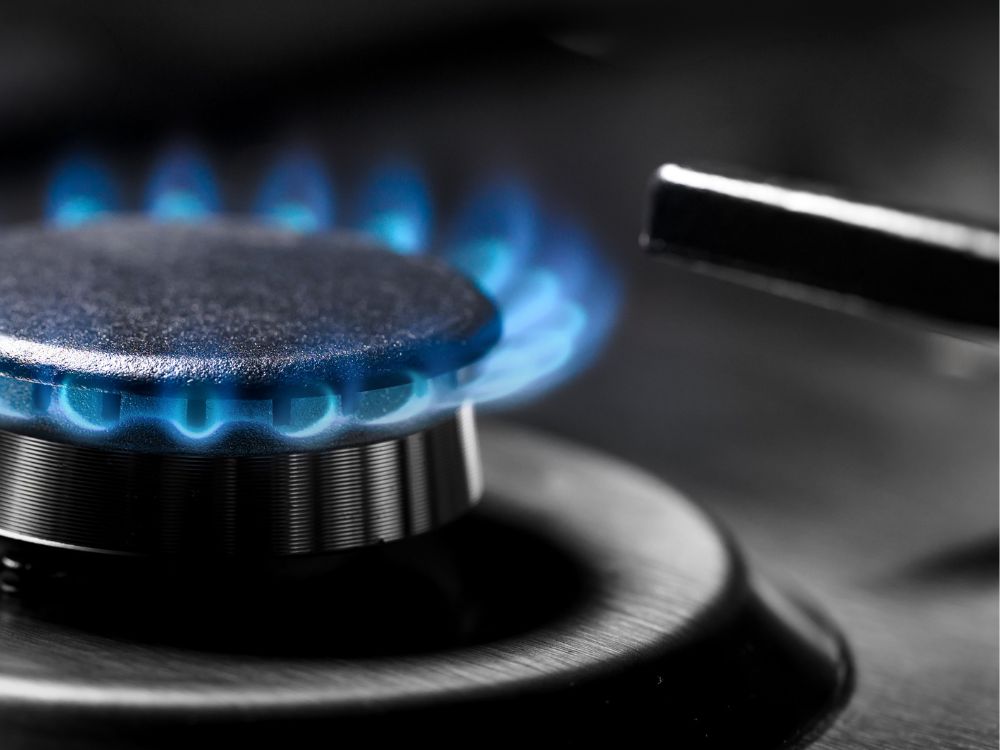
Closer to home, the report details the direct risks of burning gas indoors. Gas appliances release nitrogen dioxide, carbon monoxide, volatile organic compounds (including carcinogens such as benzene and formaldehyde), and fine particles small enough to be inhaled deep into the lungs.
The figures on childhood asthma are illuminating. DEA’s report estimates that gas cooking may account for around 12.3 percent of childhood asthma cases in Australia (roughly one in eight children), with kids in gas-cooking households facing a 42 percent higher risk of current asthma.
Gas extraction and processing has also been linked to poorer air and water quality, and to increased rates of cardiac and respiratory disease, childhood leukaemia and adverse pregnancy outcomes.
DEA is calling on the federal government to:
- set a clear timeline for phasing out fossil gas and rule out approving new gas projects;
- provide targeted support to households and businesses to replace gas appliances and disconnect from the gas network; and
- make the gas industry bear the costs of the health and environmental harms its product causes.
“As doctors, we urge our government to quit gas for our health,” Dr Wylie said.
Lane Cove Got There First
While this is a national push aimed at Canberra, Lane Cove Council has already acted at the local level. In October 2023, Council voted to update its Development Control Plan (DCP) to ban gas appliances in all new developments from 1 October 2023.
As In the Cove reported at the time, health was front and centre in Lane Cove Council’s reasoning.
A Melbourne University study, conducted with Stanford University and PSE Health Energy researchers, measured emissions from a gas cooktop in a Camberwell rental and found nitrogen dioxide levels rising from 11ppb to 530ppb after just 30 minutes of use, well above the Australian standard of 99ppb averaged over an hour.
The same study found more than 75 percent of methane emissions from a stovetop occurred while it was switched off. A 2018 study in the Medical Journal of Australia found gas cooking in Australia increases the burden of childhood asthma by around 12 percent (comparable to having a smoker in the household), a figure now echoed almost exactly in DEA’s national report.
Lane Cove wasn’t alone. The ACT banned gas in new homes from November 2023, Victoria followed with a ban on new gas connections from 1 January 2024, and closer to home, the City of Sydney, Waverley Council and Parramatta Council have all moved to restrict or ban gas appliances in new developments.
But not all councils, have gone this way. In mid 2024, a proposal to ban gas appliances was voted down by Willoughby City Council. In 2025 NSW Premier criticised local councils who have banned gas saying it was an overstep.
In 2025, the then director of the Property Council of Australia, told the Sydney Morning Herald that targetting new builds made sense because the change was easier. He noted there was a clear step towards, cleaner, cheaper, all electric buildings and it’s what the future demands.
Local Context, National Momentum
Two years on from Lane Cove’s decision, DEA’s new report suggests the evidence base has only grown stronger, and that the health case for phasing out gas, once a local planning debate in council chambers, is now being pressed at the national level.
For Lane Cove residents living in newer developments built gas-free since 2023, the report offers a reminder of why that change was made, and a sign that the rest of the country may be catching up.
Read In the Cove’s original coverage of Council’s decision: Why Has Lane Cove Council Banned Gas Appliances in New Developments?
In the Cove is free to read and always will be, no paywall, no subscription. If you value independent local journalism for Lane Cove, you can support us:
Buy us a coffee |
Support us via Press Patron |
Advertise with In the Cove