

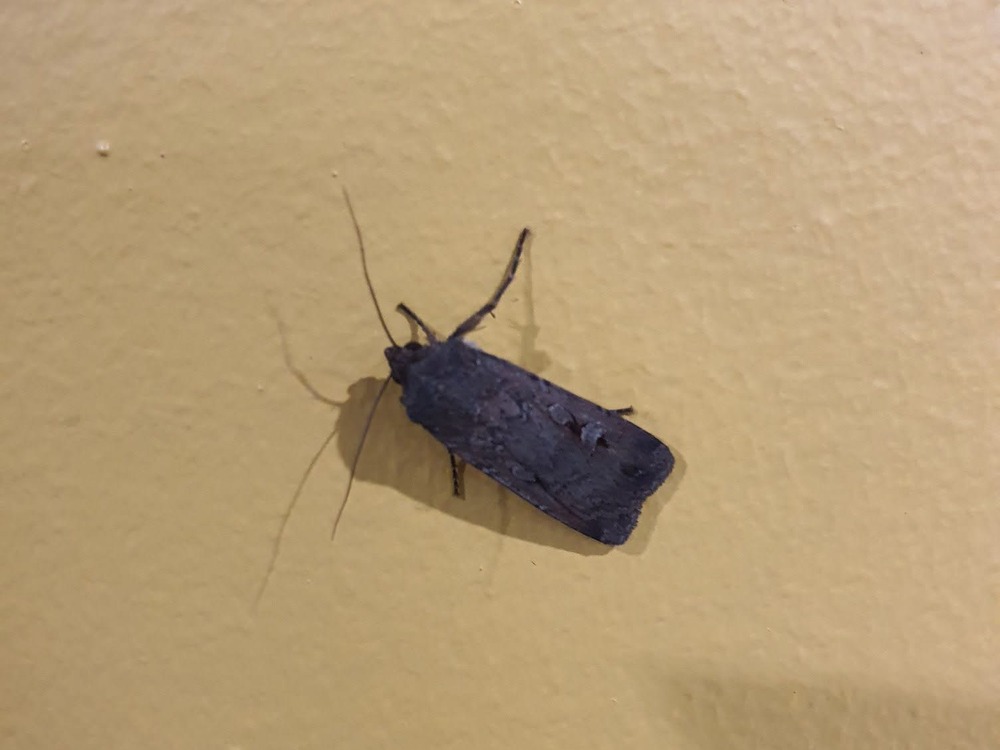
In Sydney, September is moth month. The visitors are Bogong moths, and they are right on schedule.If your balcony or verandah light has been busier than usual lately, you’re not imagining it.
In the Cove founder Jacky Barker noticed far more moths than usual around the house over the weekend. They were on the windows, around the outdoor lights and finding their way inside. She is not alone. Residents across Sydney, the Illawarra and the Central Coast have been reporting moths.
Remember the Olympics?
Bogongs have a history of gatecrashing big Sydney nights. At the closing ceremony of the Sydney 2000 Olympics in early October, a Bogong moth famously landed on soprano Yvonne Kenny while she sang.
The stadium lights drew huge numbers of them throughout the Games, and moths were also reported in the stadium’s toilets, to the surprise of many overseas visitors.
Why so many moths?
Dr Eleanor Drinkwater of Western Sydney University’s School of Science says Bogong moths have begun their annual migration to the Australian Alps, travelling hundreds of kilometres to high alpine caves for summer.
The remarkable insects use the Milky Way and the earth’s magnetic field to help guide their journey over hundreds of kilometres as they move from their lowland breeding areas to high alpine caves where they provide an important food source for the endangered mountain pygmy possums.
“Bogong moths are making their way across the country, travelling hundreds of kilometres to get up to the high alpine caves, where they’re going to spend the hottest parts of the summer,” said Dr Drinkwater.
“Even on the coast, some of these insects we believe are travelling enormous distances to get all the way up into the mountains. So, if you see one of these wonderful animals in your garden, you know they’re on an amazing journey at the moment.”
Dr Drinkwater highlighted research by Professor Eric Warrant, which found that Bogong moths use the Milky Way to help guide themselves.
“This is extraordinary because these insects will only make this journey to and from the mountains once, so it’s not like they can learn how to do this. It’s all built into these wonderful insects’ brains already. They use the stars, and the earth’s magnetic field to make a journey to and from the mountains that each individual will only perform once in its lifetime. It’s incredibly complex navigation that they’re using to travel these huge distances.”
Zoos Victoria says the migration runs from September to December.
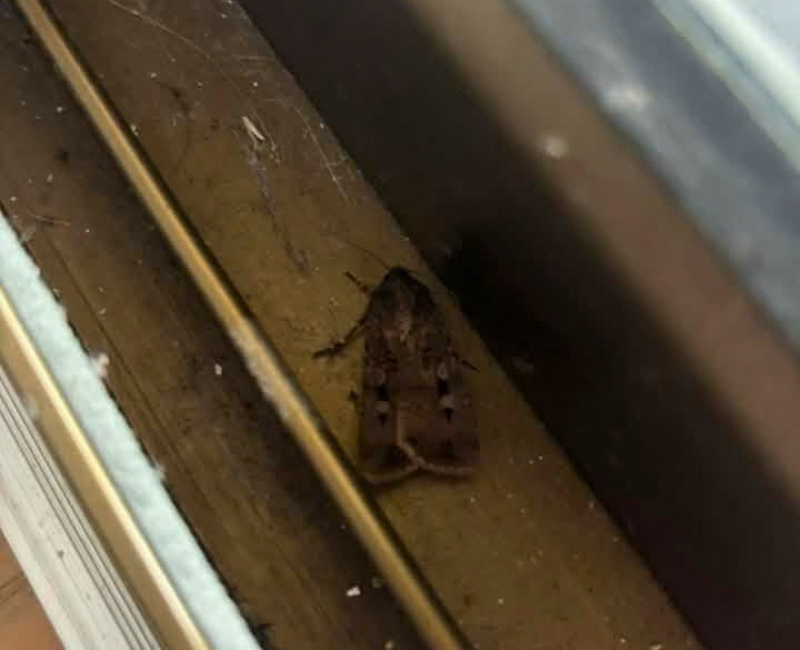
Two things bring them to our doorsteps. Strong westerly winds can push large numbers toward the coast. Then city lights lure them down, because the moths fly at night and bright artificial light pulls them off course.
This year’s numbers are good news. Bogongs suffered an estimated 99.5 per cent population collapse and were listed as endangered on the IUCN Red List in December 2021. Numbers swing from year to year, and drought in the breeding grounds has been linked to big declines.
The moths are also a crucial spring food for the critically endangered Mountain Pygmy-possum, which wakes from hibernation just as they reach the mountains. Along the way, the Bogongs feed on nectar too.
What to do
Bogongs are harmless. They don’t bite, sting or eat clothes, and they are only passing through. A few simple steps help both you and the moths:
- Switch off outdoor lights you don’t need, or swap to warm yellow or amber globes. Zoos Victoria recommends this during the spring migration.
- Close blinds and curtains at night so indoor light doesn’t draw them to the windows.
- Shake out the washing before bringing it inside. Moths like to shelter in clothes left on the line.
- Don’t reach for the spray. Gently guide any indoor moths back outside after dark so they can continue their journey.
Spotted one? Log it
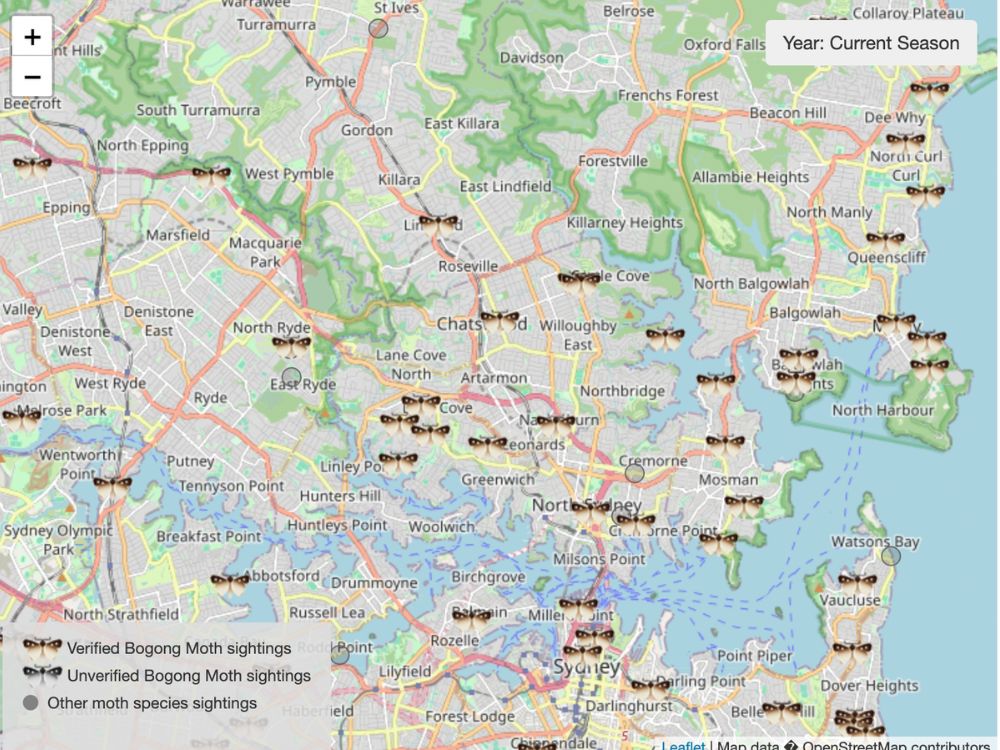
Zoos Victoria’s Moth Tracker already shows Bogong sightings in Lane Cove and North Sydney this season, and scientists want more. Every report helps them track when, where and in what numbers the endangered moths are travelling.It’s simple: take a photo and upload it with the time, location and number of moths. Zoos Victoria’s team checks each photo and adds confirmed Bogongs to a live interactive map, so you can see whether yours made the cut.
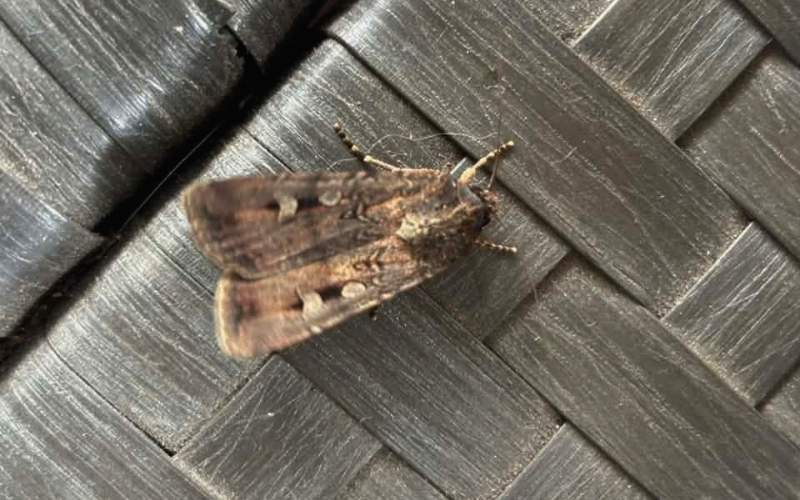
Not sure it’s a Bogong? Upload it anyway. Zoos Victoria says to look for a moth about 2.5 to 3.5cm long with a dark stripe down each wing, a round spot at the top of the stripe and a kidney-shaped spot at the bottom.
And for the next few weeks, give the washing an extra shake before you bring it in.
Why Local News Matters
In the Cove delivers independent Lane Cove news every day — 100% free, with no paywall. We write for the community, from within the community. We are a proud member of LINA — the Local & Independent News Association, which supports small, independent publishers serving their communities with reliable, accountable local journalism. Local news strengthens community connection, keeps residents informed, spotlights issues that bigger outlets overlook, and holds local decision-makers accountable. When local news disappears, communities lose transparency, trust and shared understanding. Your support helps ensure Lane Cove continues to have a strong, independent voice.
Support In the Cove
☕ Shout ITC a Coffee.
❤️ Contribute Any Amount.
📣 Advertise with Us.