
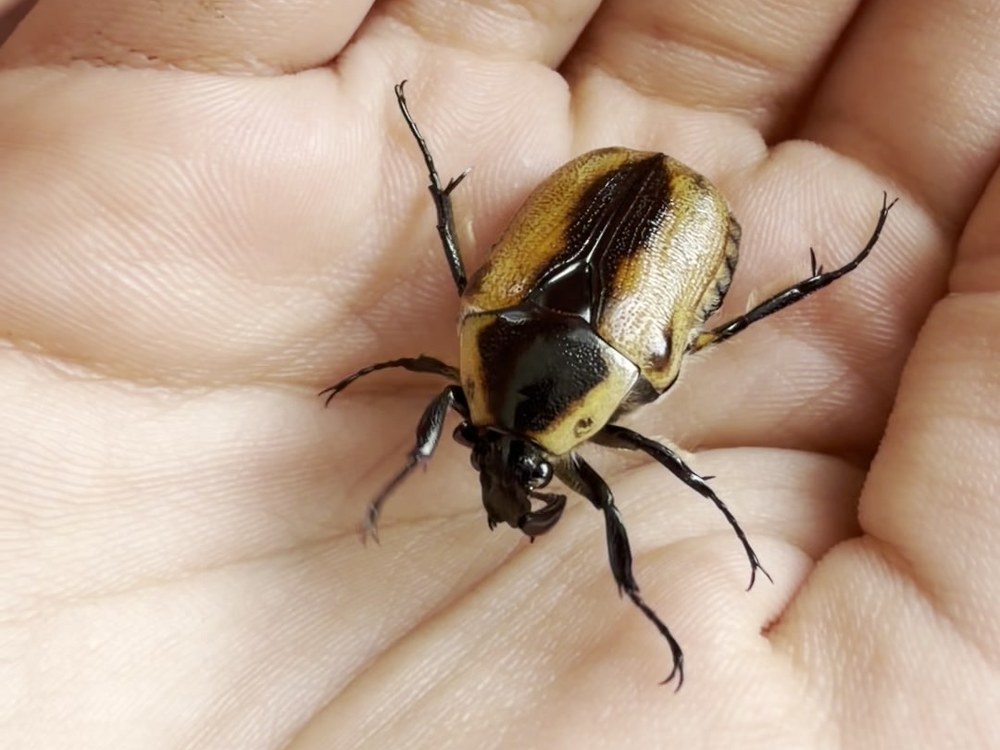
Think of it as the bird count, but for the little critters under the leaf litter. Grab a phone, grab the kids and head outside.
If your household took part in the Aussie Backyard Bird Count a few weeks ago, you already know what to do: step outside, look closely, record what you see and help scientists build a picture of what’s living in our backyard. Now it’s the creepy-crawlies’ turn.
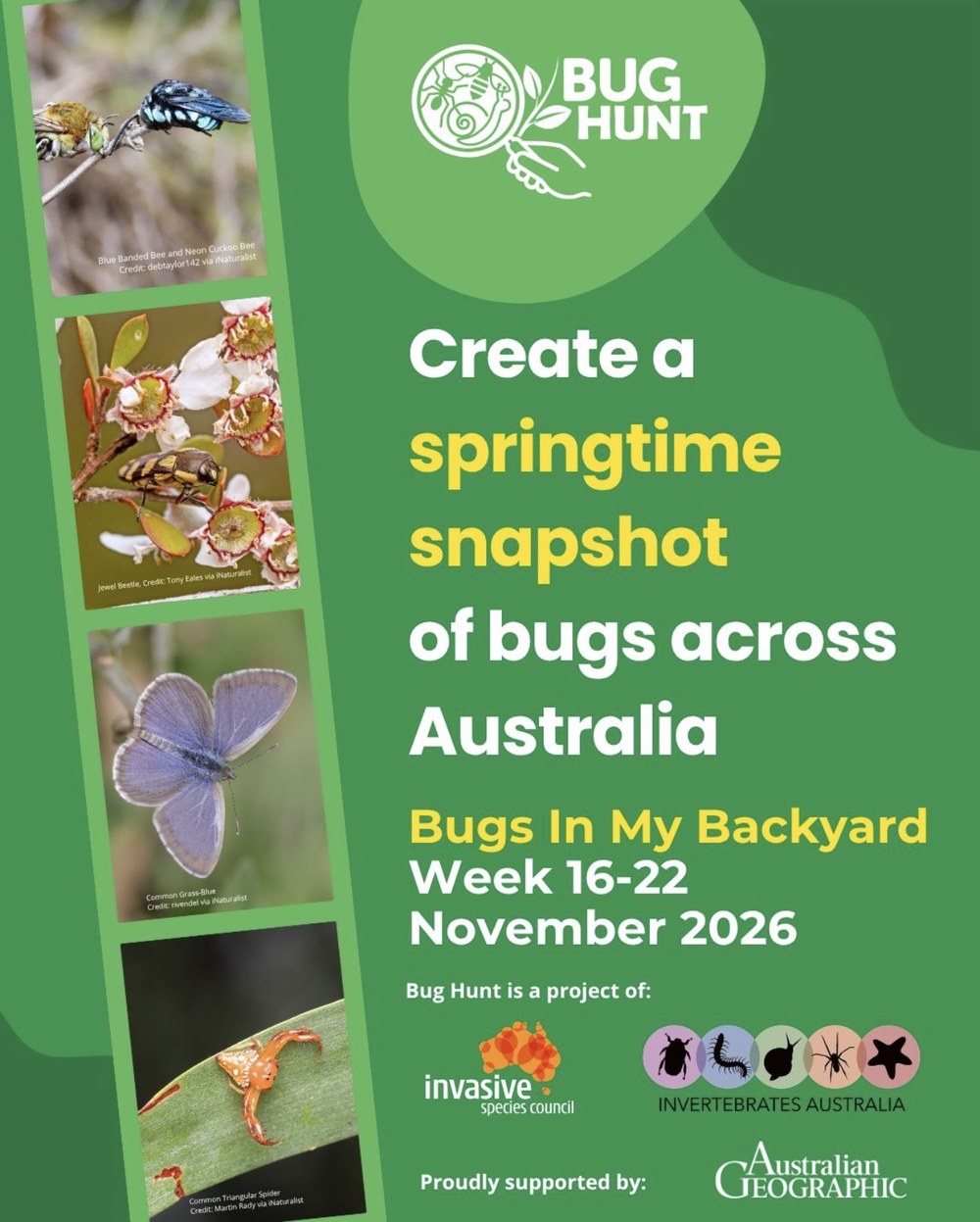
Bugs in My Backyard Week runs from today, Monday 16 November 2026, until Sunday 22 November 2026.
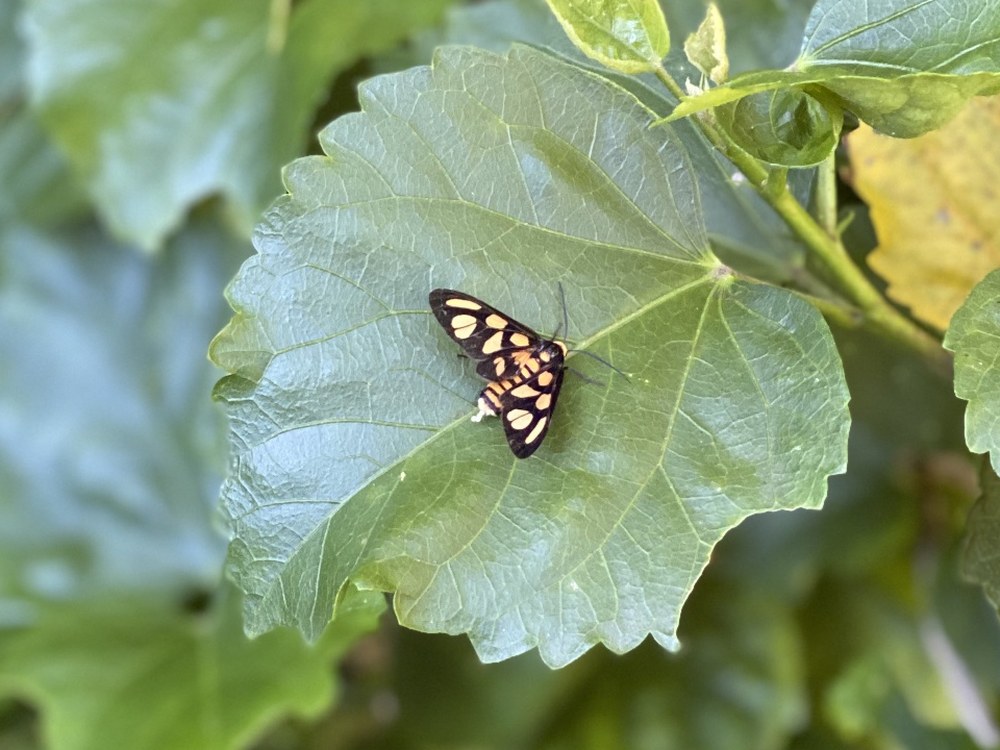
It’s a national citizen science event run by Bug Hunt Australia, and Bug Hunt are asking everyone, from preschoolers who can’t walk past a snail without picking it up to grandparents with a good eye, to photograph the insects, spiders, snails, worms and other mini-beasts they find and upload them to the free iNaturalist app.
You do not need to be a bug or insect expert. If you can’t tell a stick insect from an actual stick, or your best guess is “some kind of insect thing with legs”, that’s fine. Just take the photo. Australia’s bug experts will work out the rest.
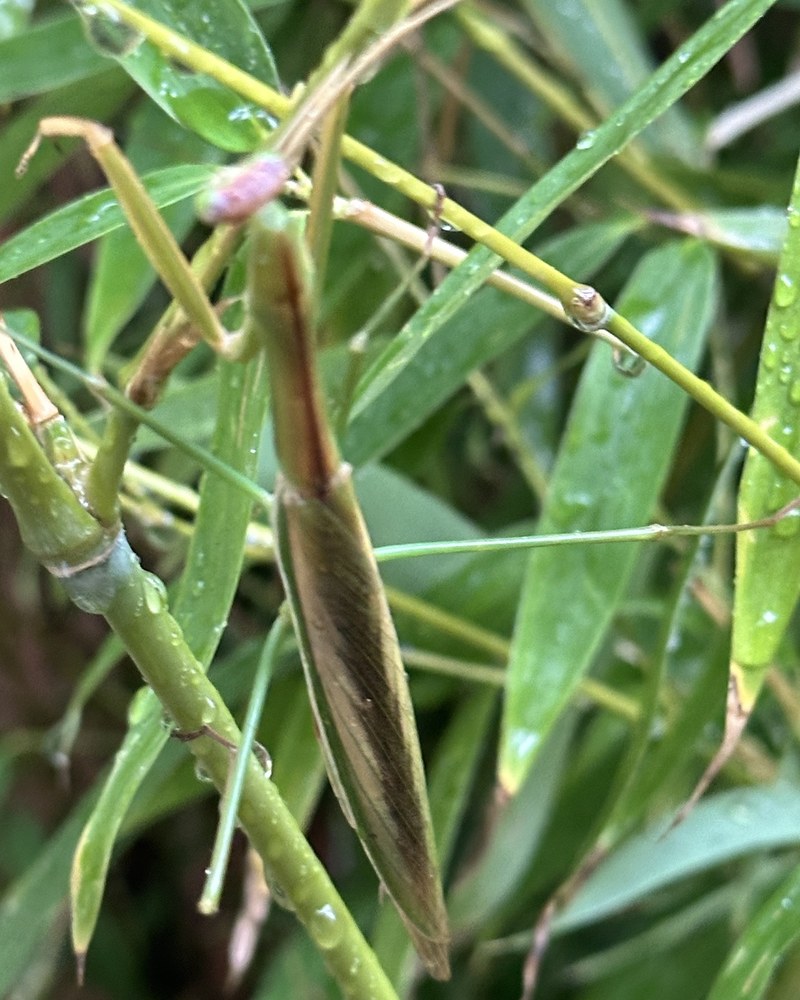
Every photo adds to a springtime snapshot of bugs across Australia. And if you have a child who already knows the difference between a beetle and a bug (and will tell you, at length), this is their week.
Why bother counting bugs?
Because most of us walk straight past them. Lane Cove is full of gardens and bush reserves. Lane Cove Council says that every house or apartment in Lane Cove is no more than 500m from bushlands, and there are thousands of creatures living in our bushlands that rarely get noticed, let alone recorded. By the way check out some of our local bushwalks here.
Bug Hunt, led by the Invasive Species Council, is Australia’s national citizen science project for invertebrates, and it has two jobs: helping scientists understand our native bugs, and spotting invasive species early, before they take hold.
A clear photo from a backyard in one of our Lane Cove suburbs could be the first sign that an unwelcome visitor (fire ants are high on the watch list) has turned up somewhere new.
Last year’s event pulled in more than 40,000 observations from over 5,000 people, including sightings of threatened species such as the Kaputar pink slug, the Eltham copper butterfly and the Bogong moth. Organisers are hoping to beat that this year.
How to join in (it takes about five minutes)
- Download iNaturalist on a phone or tablet, or go to inaturalist.org on a computer, and set up a free account. If your kids are doing the snapping, they’ll use a parent’s account.
- Join the project. In the Projects tab, search for Bugs in My Backyard Week 2026 and join it.
- Go hunting. Try under pot plants, on the underside of leaves, along the fence line, in the veggie patch and around the outdoor light after dark.
- Snap and upload. Take a clear, close photo and make sure the date and location are attached (the app does this for you if location is switched on).
- Name it only as far as you know. No one expects a species name. “Beetle”, “spider” or “something with too many legs” is a perfectly good start.
- Let the experts help. The iNaturalist community, including entomologists, will chime in to identify what you’ve found. Kids love getting the notification that someone has named their find.
Prizes, art and library displays
Every photo uploaded to the Bugs in My Backyard Week 2026 project between 16 and 22 November 2026 is automatically entered in the prize draw, so there’s an extra reason to get out there.
For kids who’d rather draw than photograph, there’s a student bug art competition open to primary and secondary students, featuring either native Aussie bugs or invasive ones. Schools and public libraries are also being invited to put up bug-themed displays, and teachers can download free lesson plans through Cool Australia.
Feeling ambitious? You can register a community bug hunt. It can be as simple as meeting a few families at a local park with phones and a bit of curiosity.
Details for all of these are at bughunt.org.au.
A few tips for parents
- Look, don’t touch. We live where funnel webs also like to live. Funnel-web spiders are usually spotted in Lane Cove from November to April. That’s mating time, and the male funnel-web spider is out and about looking for “love”. So spiders get photographed, not picked up. Teach small hands to keep a safe distance from anything that might bite or sting.
- Put things back where you found them. If you turn over a log or rock, roll it back gently. It’s someone’s house.
- Go out at different times. Early morning, mid-afternoon and dusk all turn up different creatures. A torch walk around the garden after dinner is a winner.
- Get down low. Some of the best finds are tiny. Kids are closer to the ground anyway, so let them lead.
- Share it. If you post your finds, use #BugHuntAu and #BugsInMyBackyardWeek.
We’d love to see what turns up in Lane Cove backyards this week. Send your best bug photos to In the Cove and we’ll share a few of our favourites.
Bug Hunt is funded through the Environmental Biosecurity Project Fund, managed by the Department of Agriculture, Fisheries and Forestry, and Australian Geographic’s Awards for Nature program.
Get the Lane Cove news in your inbox every Thursday.
Support independent local news
In the Cove is 100% free to read, with no paywall, and it always will be. We write for the community, from within the community. If you value local news, chipping in helps keep it coming.
Proud member of LINA, the Local & Independent News Association. Want to reach locals?