

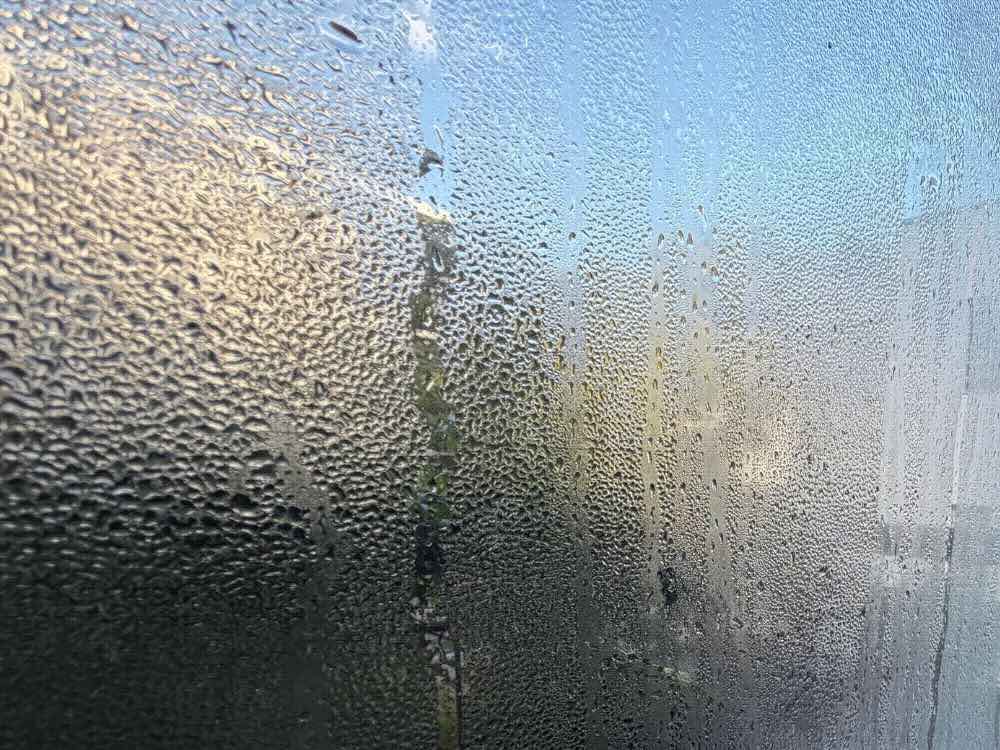
Tired of dealing with window condensation and mould? Learn how positive input ventilation systems can help reduce condensation and improve air quality across your whole home.
The General Manager of Xchange Air, Micheline Haley, shares her experience and knowledge on moisture in homes.
A Guide to Eliminating Morning Moisture
When a member of our Lane Cove Chat community recently posted about battling mould and humidity in her south-facing rental, the thread exploded with tips from locals. It was a good reminder that condensation and mould are among the most common issues raised in our community, especially through the colder and wetter months.
Some of the advice was excellent. Some was well-meaning but unlikely to solve the problem long term. We asked Xchange Air General Manager Micheline Haley to share her expertise and help sort the good advice from the not-so-good.
Understanding the Condensation Challenge
Condensation on windows is a frustrating and persistent issue, especially through the colder months when heating systems and damp Sydney weather push moisture levels inside the home up. It can be even more pronounced for households using gas heaters, log burners or unflued portable heaters, all of which can add moisture to the indoor air.
Condensation is not just an annoyance. Left alone, it can lead to mould around window reveals and frames, peeling paint, damaged plasterboard, damp curtains and, over time, structural damage. It can also reduce indoor air quality because high humidity creates a favourable environment for dust mites and mould spores, both common triggers for asthma and allergies.
In short, those foggy morning windows can be an early warning sign that the air in your home is holding too much moisture.
This is particularly relevant in Lane Cove’s many older apartments and homes, where ventilation systems were simply never designed to handle the moisture loads modern households generate. If you are in a south-facing unit or a building with limited airflow, you may be fighting an uphill battle from the start.
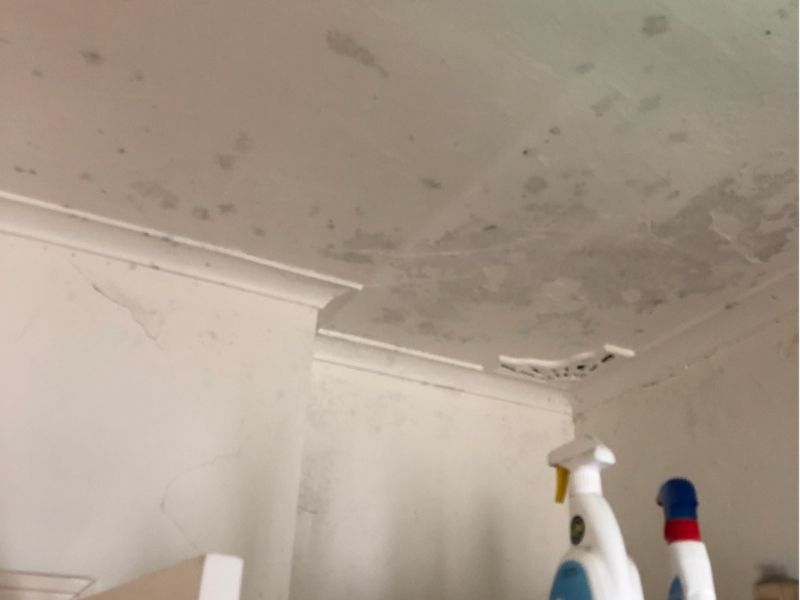
💬 From the Lane Cove Chat Group
We asked Michie to weigh in on the most common mould and condensation advice circulating in our community. Here is what helps, what only works temporarily and what may not solve the underlying problem.
✅ Open your windows — but only at the right time
Several community members recommended opening windows as often as possible. Good in principle — but only when the humidity outside is lower than inside. In prolonged wet or humid weather, opening windows can actually introduce more moisture into the home.
It is also not always practical or safe to leave windows open, particularly overnight, during storms, in colder weather or when homes are left unattended. While opening windows may help temporarily, it usually does not address the underlying cause of ongoing condensation and mould problems.
✅ Dehumidifiers
Portable dehumidifiers can be helpful, especially in smaller spaces, but they are often limited to the room they are placed in and usually switch off once the water reservoir fills.
For larger or ongoing moisture problems, Michie says a whole-home or ducted approach may be more effective because it manages moisture levels across multiple rooms rather than providing temporary relief in one area.
✅ Keep air moving
Even with windows closed, keeping air moving can help. A fan on low may reduce stagnant air in problem areas, particularly in rooms with limited airflow.
✅ Keep furniture away from walls
Leaving gaps behind sofas, beds and large furniture allows air to circulate more freely and helps prevent moisture building up in cold, stagnant areas where mould commonly develops.
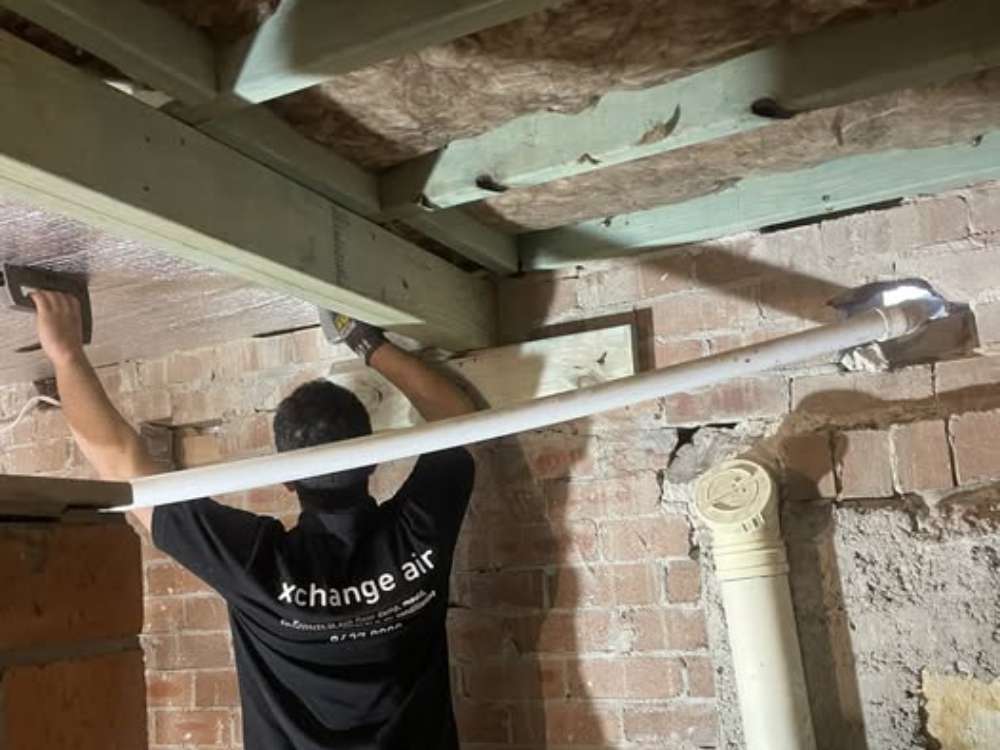
If mould keeps appearing in the same locations, rearranging furniture can help reduce the symptoms. However, persistent mould growth is often a sign of a larger ventilation problem within the home. In some cases, improving mechanical sub-floor ventilation and installing suitable underfloor insulation can make a significant difference in reducing dampness, condensation and mould recurrence.
⚠️ Vinegar, clove oil and dish soap
These can help clean some surface mould temporarily, but if you are repeatedly cleaning the same areas, you are treating the symptom rather than the underlying cause. Without fixing the moisture or ventilation issue driving the mould growth, it will continue to return.
DIY cleaning can also disturb and spread mould spores throughout the home, particularly if the mould is extensive or repeatedly reappearing. For internal mould issues, or mould growth within sub-floor areas and soil, professional remediation may be required to ensure it is handled safely and correctly.
⚠️ Moisture-absorbing crystals and sachets
These products can help slightly in very small enclosed spaces like wardrobes or cupboards, but they are generally a band-aid solution for ongoing condensation or mould problems within a home.
They do not remove enough moisture to properly control humidity across a room or property and they do not address the underlying cause of the problem. If mould or condensation continues to return, the issue is usually linked to inadequate ventilation, trapped moisture or poor sub-floor airflow.
❌ Bleach and store-bought mould products
Michie is very clear on this one: she does not recommend bleach or harsh supermarket mould sprays as a long-term solution.
Many of these products treat surface staining or mask the visible mould, but they do not address the moisture source that is allowing mould to grow in the first place. They can also irritate the lungs, skin and eyes, particularly for people with asthma, allergies or respiratory conditions.
The biggest misconception is that mould is simply a cleaning problem. In reality, mould is usually a moisture and ventilation problem. Store-bought sprays may remove what you can see temporarily, but they rarely solve why the mould is growing.
“The community tips reflect how most people manage the symptoms. Cleaning mould, opening windows and running a dehumidifier can all help temporarily. But mould will continue to grow and return unless the source of the damp problem is properly addressed. In many homes, that comes down to inadequate sub-floor ventilation or poor airflow beneath the property. Until the ventilation issue is fixed, you are often only managing the symptoms rather than solving the cause.” — Micheline Haley, Xchange Air
The Promise of Positive Input Ventilation
Positive input ventilation, often known as PIV, is a whole-home solution that targets the cause of window condensation and the broader moisture problem that feeds mould growth.
As the General Manager of Xchange Air, Micheline admits she was initially sceptical of the technology. Her husband, Martin Haley, founded Xchange Air more than 25 years ago and is one of the leaders in the subfloor mechanical ventilation space here in Sydney. He had travelled the world looking for the right solution to condensation in homes and was convinced PIV was it.
Xchange Air’s mechanical subfloor ventilation systems are designed to tackle damp, mould and musty smells at floor level, but Martin wanted to solve the condensation problem that occurs above the floor too. To put her own scepticism to the test, Micheline installed a PIV system in their own home.
Experiencing the Transformation
The results were remarkable. In the years since, their home has stayed consistently free of condensation, even through Sydney’s damp winters and despite all the usual moisture-generating activities of a busy family: showers, cooking and drying clothes inside on rainy days.
The system exceeded Micheline’s expectations. Xchange Air has since installed thousands of these systems across Sydney, with many clients reporting they wish they had done it sooner.
A Breath of Fresh Air
Beyond the condensation story, PIV systems can deliver real gains in indoor air quality. Micheline says her son, who had long suffered from dust mite allergies and disrupted sleep, saw a noticeable improvement in his breathing once they installed their system.
By continually replacing stale, humid indoor air with fresh, filtered air, PIV helps create a less hospitable environment for dust mites and mould spores.
The Inner Workings of Positive Input Ventilation
PIV is a whole-home approach, which is what sets it apart from local fixes. While traditional exhaust fans pull moist air out of one wet area at a time, a PIV system works across your entire home, gently and continuously pushing fresh, filtered air in.
That positive pressure displaces the damp, stale air through the home’s natural gaps and trickle vents. For many homes, this can be achieved without demolition, major renovation or expensive ducting through every room.
Beyond Condensation: A Holistic Approach
While eliminating condensation is the headline benefit, PIV does more than that. Drier windows mean no more puddles on sills, no more mouldy curtains and no slow deterioration of timber frames and plasterboard.
Lower indoor humidity can also create a healthier environment for anyone in the home with asthma, allergies or respiratory sensitivity.
PIV may also help your home heat and cool more efficiently. Dry air is easier to warm than damp air, so your heating system does not have to work as hard to make the house feel comfortable. The result is a home that is easier to keep warm in winter, more comfortable year-round and often a little kinder on your power bill.

More Than Just PIV — A Whole-Home Approach to Ventilation
Xchange Air is a family-run business with more than 25 years in the industry and is one of Sydney’s leading subfloor ventilation and heat extraction specialists.
As well as PIV and whole-home ventilation systems for condensation control, they install mechanical ducted subfloor fan systems for damp, mould and musty smells; ducted dehumidification systems for larger moisture problems; solar and powered roof fans for heat extraction in summer and subfloor insulation to keep floors warmer in winter.
Whether your home is too damp, too musty, too hot, too cold or fogged up with morning condensation, there is usually a ventilation solution that can help without major works.
Your Next Steps
If you are tired of waking up to condensation-covered windows, or fighting a losing battle with mould that keeps coming back, Xchange Air would love to help. Call (02) 9427 8800 for a free home assessment and quote, or visit xchangeair.com.au to book online.
This is a sponsored post.