

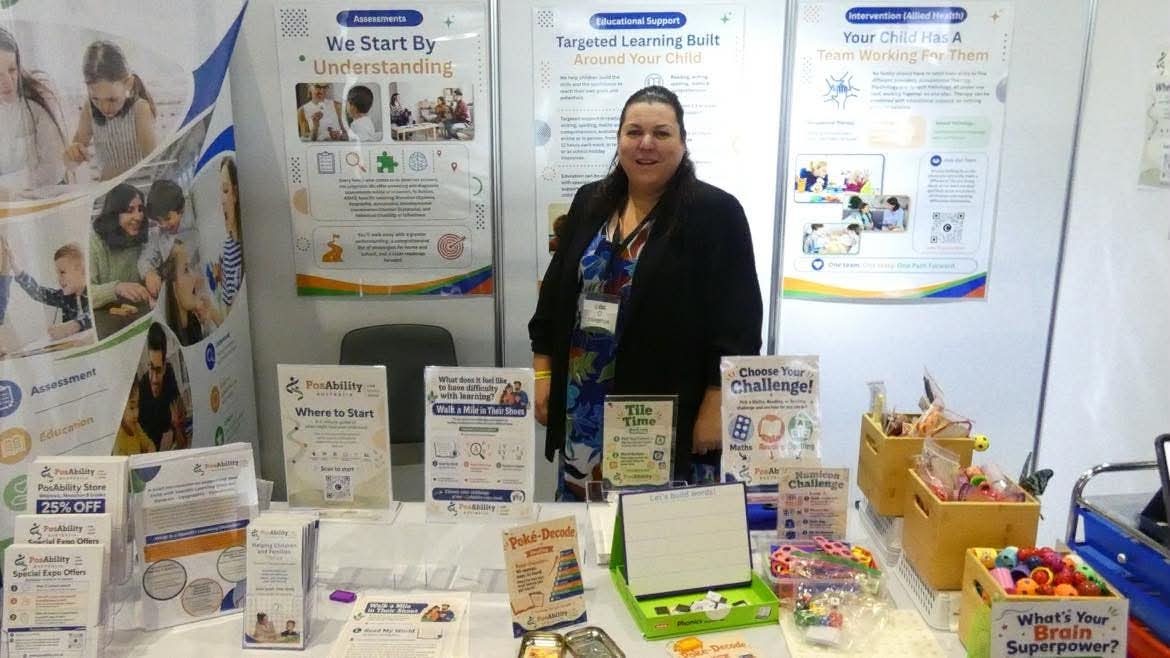
There’s been a lot of talk over the past few years about Australia’s “literacy crisis”, after the Grattan Institute reported that one in three Australian school students are not reading proficiently. There have been many conversations analysing the school system, along with outcries from professionals telling parents to role model reading behaviours for their children.
However, what if your child has all the right tools for success and is putting in all the effort to learn, and they just… can’t? What if their brain is just wired differently?
Dyslexia is estimated to affect around one in ten Australians. It is a learning difficulty that impacts the way the brain processes the written word, and it affects a person’s ability to read, write and spell correctly. October is Dyslexia Awareness Month, and with it comes encouragement for parents and educators to learn more about these learning difficulties and seek effective support.
While many of us know the difficulties dyslexia can bring, it’s important to point out that it can have its strengths too. Many successful people, such as entrepreneurs, celebrities and CEOs, have dyslexia. There’s a claim that 50% of people who work at NASA are dyslexic. While that claim is highly exaggerated, with not much of a reliable source to back it up, it does serve to point out how many dyslexic people are in high-achieving roles. A UK study from Cass Business School found that 35% of entrepreneurs in the US and 20% of entrepreneurs in Britain showed signs of dyslexia, compared with just 5 to 10% of the overall population. In this study, 40% of millionaires who reported themselves as self-made showed signs of dyslexia. Unlike the NASA claim, the idea that a dyslexic child can find success is certainly within the realm of reality.
“Children who find reading and spelling difficult can be working incredibly hard, yet still struggle to keep up.”
Katrina Sheraton-Yu, PosAbility Learning Australia
However, despite all the positives, dyslexia can have a very real and lifelong impact. More than 40% of all imprisoned adults in the US have dyslexia. At every year level, dyslexic students are more likely to be suspended, expelled or go through the juvenile detention system, and this is especially true if their families experience economic disadvantage. A 2011 study of high school students by Donald Hernandez found that more than 60% of those who failed to graduate had reading deficiencies as early as eight years old.
Dyslexia can also impact a child’s self-esteem. Katrina Sheraton-Yu, Founder, CEO and Principal Psychologist at PosAbility Learning Australia, said that “children who find reading and spelling difficult can be working incredibly hard, yet still struggle to keep up”. This can lead to frustration that affects a child’s confidence even outside of schoolwork, as well as their wellbeing and willingness to participate in learning. It can have a lifelong impact, as people with dyslexia are much more likely to develop anxiety, whether in childhood, adolescence or adulthood.
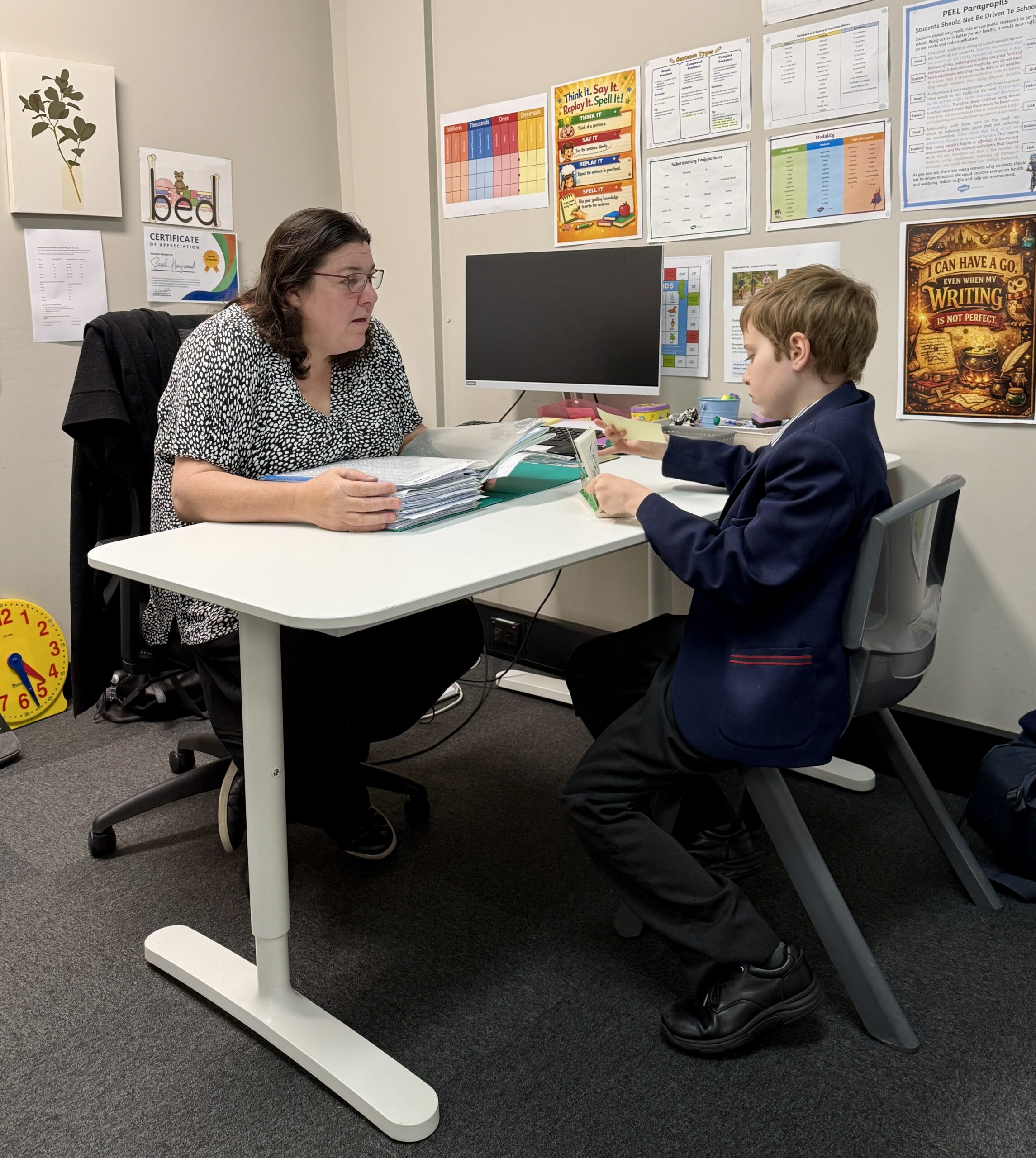
There are many ways a child can succeed with dyslexia, but the right support is critical, and early intervention can be crucial in helping your child succeed. The US National Institutes of Health stated that 95% of poor readers can be brought up to grade level if they receive effective help early. It’s been found that 90% of dyslexic children will become good readers if they get help at the age of six. If help is delayed until age nine rather than age six, it takes four times as long to improve the same skills by the same amount. Obviously, it’s never too late to support a child with learning difficulties, but the longer you wait, the harder it will be for a child to catch up.
Dr Sally Shaywitz, Professor of Pediatric Neurology at Yale University and Co-Director of the Yale Center for Dyslexia & Creativity, stated in her book Overcoming Dyslexia: “The human brain is resilient, but there is no question that early intervention and treatment bring about more positive change at a faster pace than an intervention provided to an older child. The sooner a diagnosis is made, the quicker your child can get help, and the more likely you are to prevent secondary blows to [their] self-esteem.”
“We don’t want children to spend years struggling before they receive help.”
Katrina Sheraton-Yu, PosAbility Learning Australia
That is why parents and teachers are encouraged to seek advice as soon as possible when a child has persistent difficulties with reading and spelling, learning letter-sound connections and sounding out words, especially when there is a family history of reading difficulties.
Early understanding and intervention can completely change a child’s learning journey. Lane Cove West charity PosAbility Learning Australia invites parents and educators to its “Learning Differences: Understand. Support. Thrive.” campaign from 12 to 16 October. PosAbility is offering the chance to learn more about dyslexia and interventions through four live online sessions, five short recorded webinars and free practical resources for the month.
“We don’t want children to spend years struggling before they receive help,” Ms Sheraton-Yu said. “Recognising difficulties early gives us the opportunity to build essential skills and protect confidence. It is also never too late to seek support.”
The five webinars will cover understanding and supporting dyslexia, dysgraphia and dyscalculia. They will also look at effective interventions, school adjustments and exam provisions. Recordings, free fact sheets and other resources will be released alongside the webinars on 12 October, with links emailed to registered participants.
The live “Ask a Professional” sessions are:
- Monday 12 October, 12pm: Understanding and Supporting Dyslexia
- Tuesday 13 October, 12pm: Understanding and Supporting Dysgraphia
- Wednesday 14 October, 12pm: Understanding and Supporting Dyscalculia
- Thursday 15 October, 6.30pm: Intensive and Targeted Intervention
All times are Sydney time.
“Our aim is to give families and educators clear information and practical next steps,” Ms Sheraton-Yu said. “With understanding and the right support, children with learning differences can build their skills, show their strengths and thrive.”
More information on PosAbility Learning Australia can be found here, and you can register for the sessions here.
In the Cove is free to read. No paywall, ever.
Independent local news takes time and money to produce. If you value it, you can buy us a coffee, support ITC through Press Patron or advertise with us.