


Meta (which runs Facebook, Instagram, and WhatsApp) is launching new anti-scam tools in line with Cybersecurity Awareness Month, after acknowledging that online scams pose a significant threat, especially to older adults.
Since the start of the year, the company has disrupted close to 8 million accounts associated with scam centres across South East Asia and the United Arab Emirates. But even with the attention dedicated to eliminating these threats, Australia’s cybercrime rate remains concerning.
So far, the Federal Government’s ScamWatch reported over $37 million in losses from almost 9,000 online scams around NSW in 2025, with the demographics most affected being males and people between the ages of 35 and 44.
The NSW Bureau of Crime Statistics and Research (BOSCAR) also reported a troubling trend in cybercrime, noting that it has increased by 42 per cent over the three years since June 2024, and that 87 per cent of victims were over the age of 25.
Scammers often take the long route by establishing an emotional connection with the victim or by posing as a ‘trusted’ authority figure who asks for personal information.
META is attempting to mitigate these risks by implementing tools that warn users about scammers in real time.
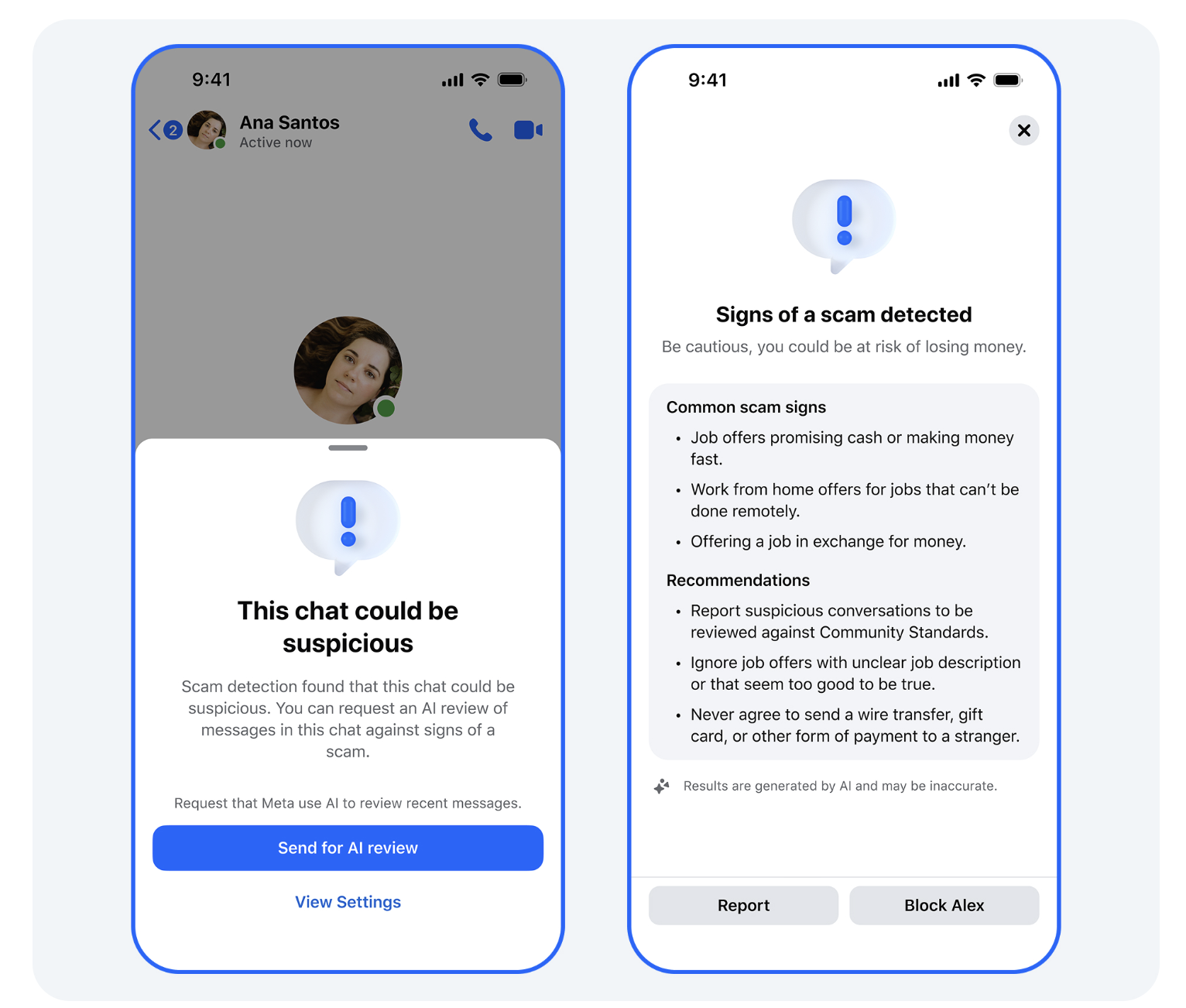
Facebook’s messaging app is testing scam detection in chats. Here, it will notify the user if a conversation in-app is seeming ‘scammy’ and provide an option for the messages to be sent for an AI scam review, and then suggest security measures following the review.
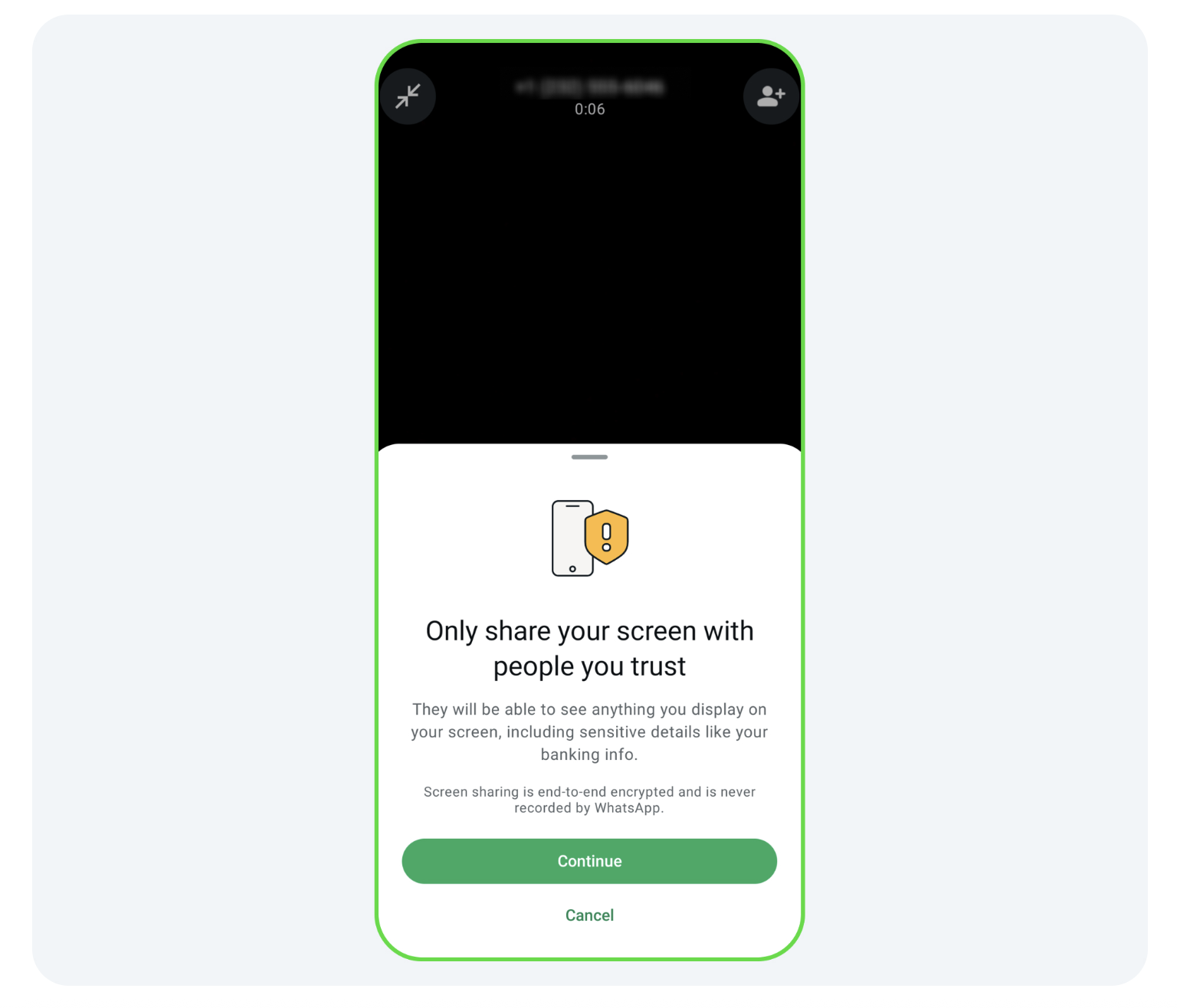
WhatsApp will also include scam-preventative features. Scammers have been known to trick users into sharing their screens to steal valuable and sensitive information, such as bank details. Soon, when a user attempts to share their screen with an unknown contact during a video call, WhatsApp will display a message warning the user to think twice about screen sharing.
These features are not yet available on the apps; however, Meta says they will gradually roll out updates.
There are some tools now available for use on social platforms that can help keep you safe online.
Passkey can be used on Facebook, Messenger, and WhatsApp to sign in with a PIN, fingerprint, or face to verify your identity on a mobile device. Security Checkup can also be used on Facebook and Instagram, which reviews a user’s security settings and recommends actions to make the account more secure, such as updating the password. Similar actions can be made on WhatsApp’s Privacy Checkup guides.
Anyone can be a victim of an online scam; celebrities, pensioners, police officers and even cybersecurity experts have fallen prey. For more information on how to avoid being scammed and the techniques scammers rely on, read our article here.
If You Buy Us A Coffee, it is, in fact, helping to pay the ITC Team
We want to clarify that, yes, the ITC team does support local businesses by drinking coffee, but there is a limit to the number of cups you can drink in a day.
We started the Buy Us A Coffee Campaign as a way to keep local news free and to grow our team. Our team is now comprised of three local mums who work part-time to bring you all the up-to-date news, traffic alerts, incidents, and events. We also now have Walkley Award Nominee Jack Kelly writing articles for us, as well as founder Jacky Barker. We truly appreciate any help you can provide, whether large or small.
How local journalism keeps communities engaged
Local newsrooms play a vital role in keeping communities informed and engaged with the decisions that affect them. Without dedicated coverage of local government, infrastructure, and policy changes, many residents are left uninformed about issues that significantly impact their daily lives. Independent newsrooms help bridge this gap, providing a trusted source of information and giving people a platform to voice concerns. Strong local reporting doesn’t just inform, it fosters public participation and strengthens civic engagement. – extract from the Local and Independent News Association Website