

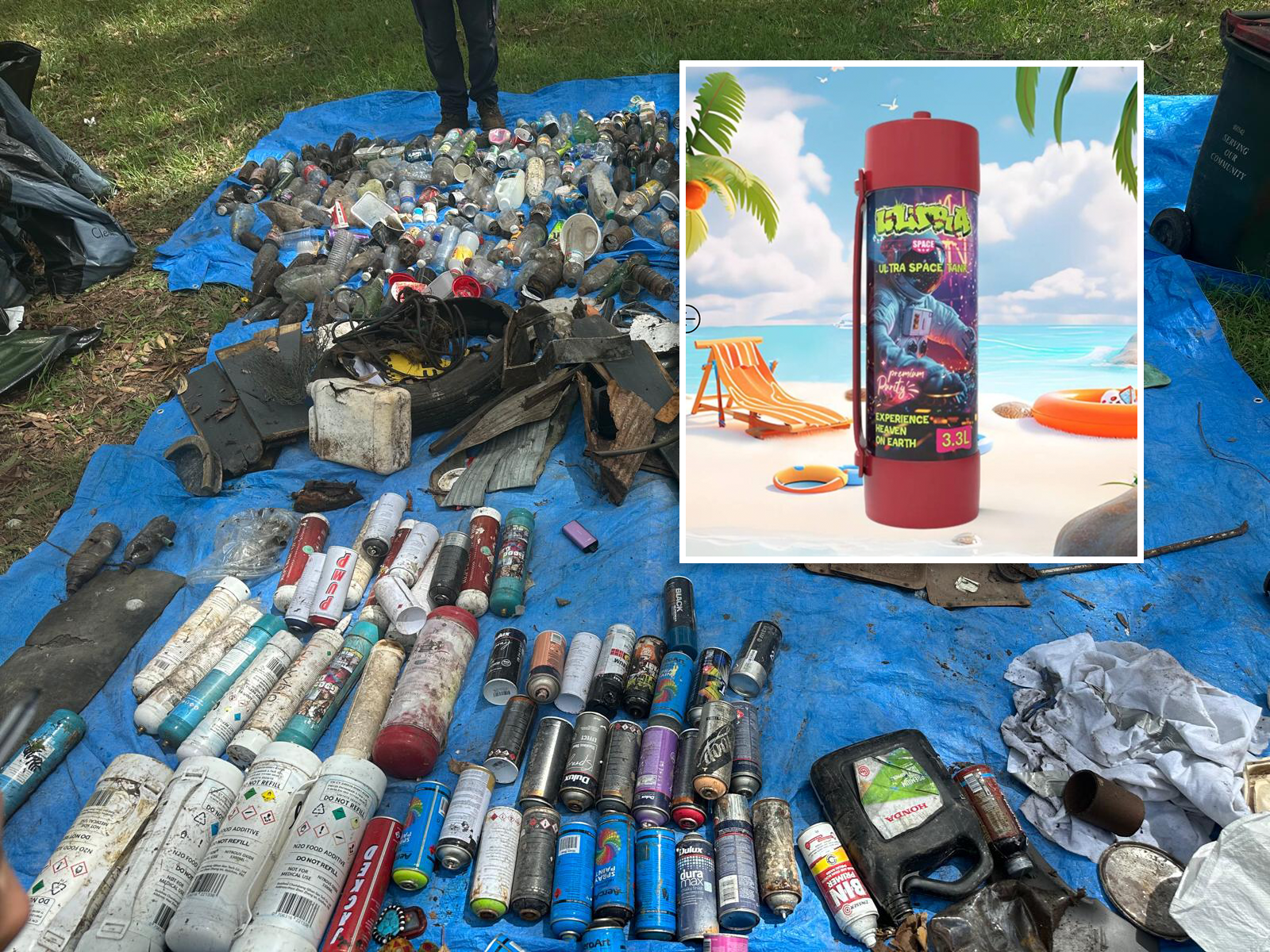
Large 3.3L nitrous oxide canisters have been found dumped around Lane Cove North as unregistered businesses deliver the canisters to whoever’s buying anytime, anywhere.
The gas, which was classified as a poison just three years ago, goes by as many names as it does purposes. To chefs, bakers, and mixologists, they are cream chargers in the culinary world. Dentists utilise it as laughing gas by mixing it with oxygen to relieve pain in patients.
Recreationally, they have been a cause for concern for well over a decade and are colloquially known as nangs, alluding to a noise heard in the user’s head after use. In this instance, they are inhaled, providing a euphoric feeling for the user, as well as potentially causing dangerous health defects following heavy use, including paralysis and psychosis.
A NSW health website notes:
“Nitrous oxide poses both immediate and long-term risks, and there is no ‘safe’ level of use; the more people use it, the higher the risk of harm.”
Large 3.3L Nitrous Oxide Cannisters Found in Lane Cove North
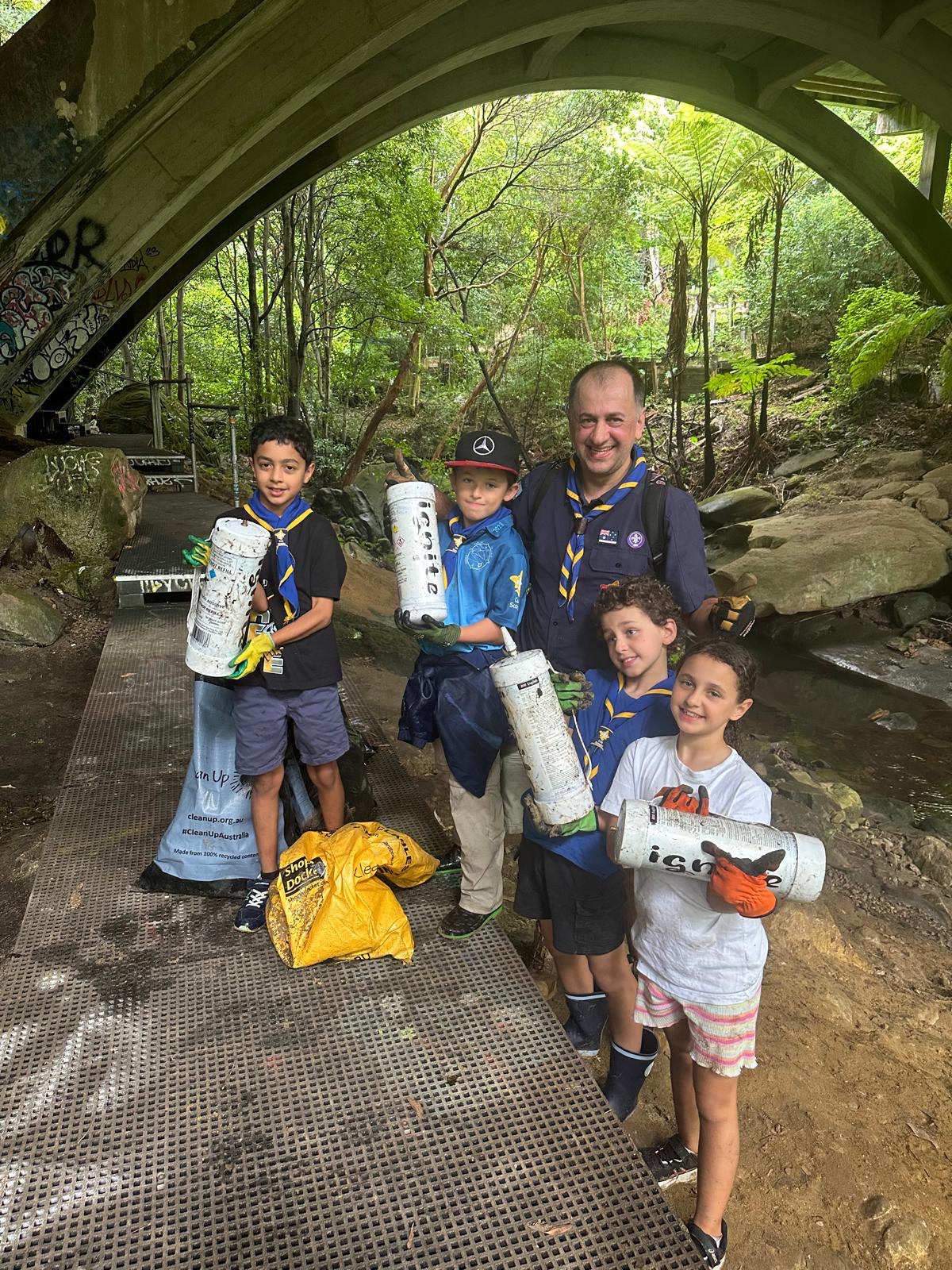
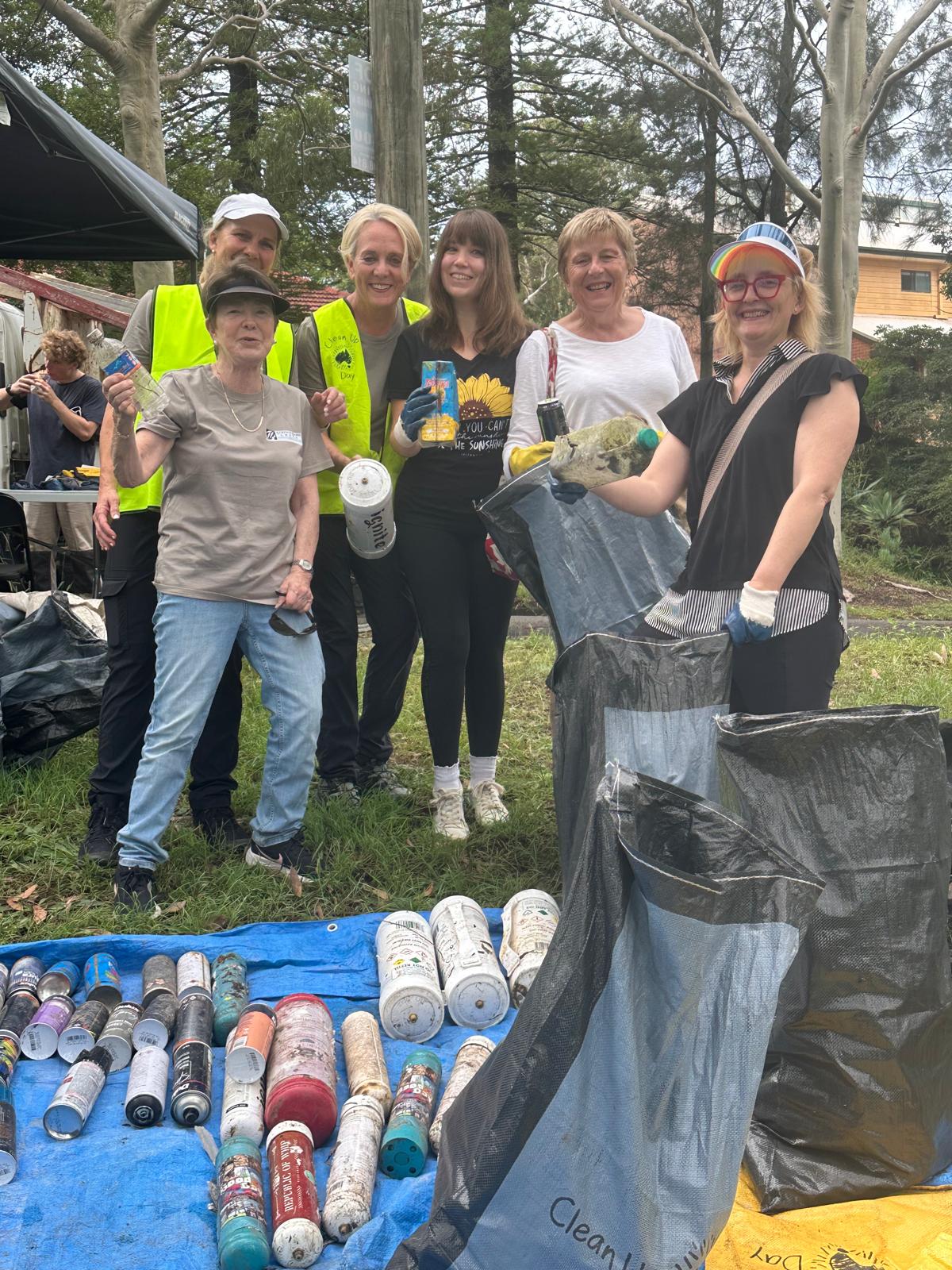
The issue caught the attention of ITC after the Stringybark Creek Residents Association discovered 20 large 3.3L canisters of nitrous oxide and six small canisters on Clean Up Australia Day at Batten Reserve, Lane Cove North.
“We’ve been doing this for 15 years and this is the first time we’ve seen it quite to this extent,” Representative said standing near numerous canisters collected from under Epping Road Bride, “So we’re concerned that people are actually ordering them online, taking them down there, and then sharing them with their friends, and this seems to be becoming a bit of a trend.”
The group also claims to have found a mixture of full and empty canisters at Mindarie Park, a location known to families.
What is the Current NSW Legislation?
Under current NSW legislation, nitrous oxide (for non-therapeutic use) can be sold:
• to people under 18
• in high volumes
• through rapid delivery
• in combination with balloons, masks and other paraphernalia
• with packaging, labelling and flavouring which promotes recreational use
• on public display
• in a range of accessible settings outside of usual food businesses, such as tobacconists, convenience stores and petrol stations.
24/7 Delivery from Unregistered Businesses
The most baffling part is that, if investigators want to identify the supplier, all that is needed is to check the side of a discarded canister to see the company’s brand printed on it.
In this case, in Lane Cove, it’s Ignite, a free 24/7 delivery service that thrives on the rising demand for gas in Sydney, advertising an “ultra cream chargers nang 3.3L cylinder” at $85.00.
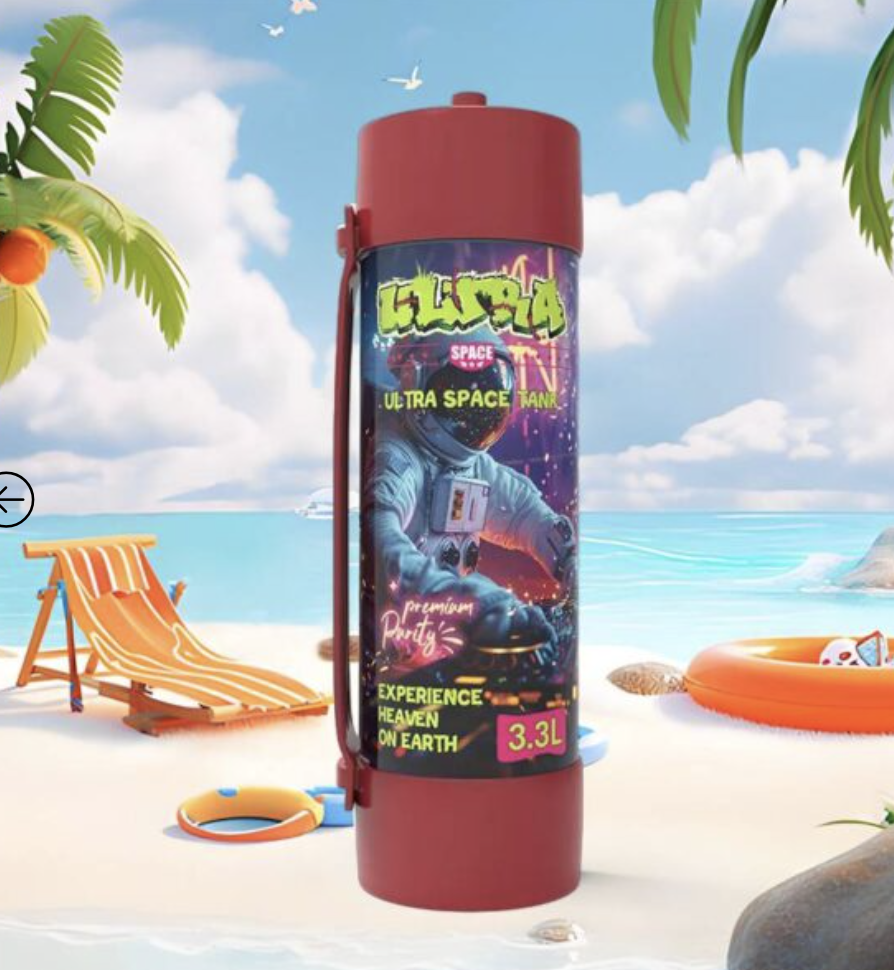
It brands itself as a service that provides products for kitchen and bar use, acknowledging the recreational use of nitrous oxides, and does not condone it. Though it has no problem referring to its product under its colloquial name “nang”, and advertising canisters with psychedelic party references.
The writing is clear on the wall: enforcement often will not go beyond even a slap on the wrist, due to loose laws around the sale of the product, which make it technically legal.
The loose legislation mixed with high demand of late night delivery of the poison has inspired many other 25/7 delivery services to emerge.
One business, Nitrous Oxide Cream Chargers, offers on-demand 24/7 home delivery and even courier services.
Quick Nangs is a Sydney service promising delivery to customers within an hour. It offers sales with charger opening devices and large balloons. It further claims thousands have been satisfied with its deliveries.

Sydney Nangs 24/7 has a similar product lineup, but assures its clientele are business operators, asks users if they are over 18 before entering the site, and promises discreet deliveries.
These businesses have a lot in common, though there is one damning, enforceable factor: none of them has a registered business name or operates through a company structure with an ACN. Do they have an ABN? Of course not.
Illegal Nitrous Oxide Use on the Rise
Since 2020, the NSW Poisons Information Centre has reported 114 calls about exposure to nitrous oxide – almost a 120 per cent increase from the previous year – with 80 per cent of these being hospitalised.

exposure to nitrous oxide.
Research highlights growing concerns about nitrous oxide misuse
Recreational use of nitrous oxide is becoming a growing concern in Australia, according to Professor Julian Allen from Charles Sturt University.
Dr Allen’s joint research with the University of Wollongong highlights that the increasing availability of large nitrous oxide canisters has changed how the drug is being used.
While small cartridges traditionally limit the amount inhaled, the larger canisters allow users to consume much higher quantities in a single session, increasing the risk of harm.
She says one of the biggest concerns is the impact on driving safety.
“The immediate effects might only last a minute or so, but the residual effects impair judgment and concentration for at least 45 minutes,” Dr Allen said.
Some European countries already track nitrous oxide-related road accident statistics, reflecting growing international concern about the issue.
Dr Allen believes the public health response in NSW has not fully addressed the problem.
“There is a lack of recognition of the increasing harm due to the sale of large canisters,” she said. “NSW Health has been concentrating on vapes, but they should also be looking at the sale of nitrous oxide for recreational use.”
Health professionals and ambulance staff are reporting increased cases, although incidents are often broadly classified as inhalant use. Patients are also frequently reluctant to admit they have used nitrous oxide.
If she could make one recommendation to the NSW Minister for Health, Dr Allen said it would be to reduce the easy access to large canisters immediately.
More information about the research can be found here:
What is the NSW Government Doing to Crack Down on Nitrous Oxide Use?
The debilitating health effects that come with heavy usage of nitrous oxide are apparent in many users’ and their families’ lives, particularly young people. These can range from paranoia and vomiting to brain damage, paralysis and even death.
Under consumer law, the sale of nitrous oxide for legitimate purposes is perfectly legal; however, compared to other states in the nation, NSW is behind the 8-ball when it comes to regulating nitrous oxide sales.
In South Australia, it is an offence to sell or supply nitrous oxide to anyone under the age of 18, to sell it between 10 pm and 5 am, or to display it in a way that makes it visible or accessible to the public in retail stores.
In Western Australia, new regulations were recently implemented to restrict the sale of 10g canisters to food and beverage businesses, while prohibiting the sale of larger canisters altogether.
The issue of nangs and the associated delivery services has attracted state-level attention numerous times, and last year the Minns Government announced a crackdown on the gas and said they would hold a roundtable discussion in June 2024 to discuss stricter enforcement.
Two years after the roundtable discussion, no action has been taken, with illegal nitrous oxide use on the rise.
NSW Health Minister Ryan Parks says the State Government is clear about the misuse of nitrous oxide and is looking for ways to reduce recreational use without harming legitimate businesses.
“NSW Health is currently undertaking targeted consultation with stakeholders, consumers, retailers, suppliers, industry, medical bodies, pharmacy peaks and academics about the feasibility and unintended consequences of the drafted regulations,” Minister Parks said in a statement to ITC.
“Wide-ranging consultation is vital to ensuring we get this right and there are no unintentional consequences of any changes.”
Minister Park further said, “A summary report from this consultation is expected in early 2026 and will inform any regulatory amendments.”
So The Regulations May Be Loose – But Why Not Stop The Sale By Unregistered Businesses?
Many of the 24/7 Nang suppliers either have expired business name registrations or have never registered a business name. This is a cause for enforceable action by ASIC. However, it states that these matters need to be brought to their attention first so they can investigate.
ITC specifically asked both NSW Health and the Minister for Health what action is being taken to stop the 24/7 Sale by unregistered businesses. We did not receive a response to this question.
We asked ASIC if NSW Health had referred these unregistered businesses to ASIC. They did not address our question, but by way of background, told us that members of the public can report a non-compliant business by making a report of misconduct to ASIC online.
Although there are many legal loopholes in the sale and supply of nitrous oxide, providing it for non-therapeutic uses is illegal. Given that many of these delivery services sell bundles, such as balloons, along with the ‘canister crackers,’ the websites themselves demonstrate that the nangs are being sold for illegal purposes.
While the public waits for draft regulations proposing restrictions on sales to minors, limits on the quantity supplied per transaction and the volume per package, as well as controls on night-time sales, rapid delivery, and requirements for products to be stored out of sight, why is the sale of nitrous oxide by unregistered businesses not being referred to the ASIC?
Need help?
Misuse of nitrous oxide (“nangs”) can cause serious health problems, including nerve damage and impaired judgment.
If you or someone you know needs help with alcohol or drug use, contact the Alcohol and Drug Information Service (ADIS NSW) on 1800 250 015 (24 hours) for confidential advice and support.
If someone experiences symptoms such as numbness, difficulty walking, confusion or loss of consciousness after using nitrous oxide, seek urgent medical help or call 000 in an emergency.
Why Local News Matters
In the Cove delivers independent Lane Cove news every day — 100% free, with no paywall and no media owners influencing what we publish.
We write for the community, from within the community.
We are a proud member of LINA – the Local & Independent News Association, supporting small, independent publishers committed to accountable local journalism.
Why local news matters:
Local news strengthens community connection, keeps residents informed, spotlights issues bigger outlets overlook, and holds local decision-makers accountable. Your support helps ensure Lane Cove continues to have a strong, independent voice.
Independent reporting takes time, resources and a huge commitment to our community. Every contribution helps us continue covering the stories no one else does.
Support Independent Community News
 Shout ITC a Coffee (one-off):
buymeacoffee.com/inthecove
 Contribute Any Amount:
inthecove.presspatron.com
 Advertise with Us:
inthecove.com.au/advertise


