

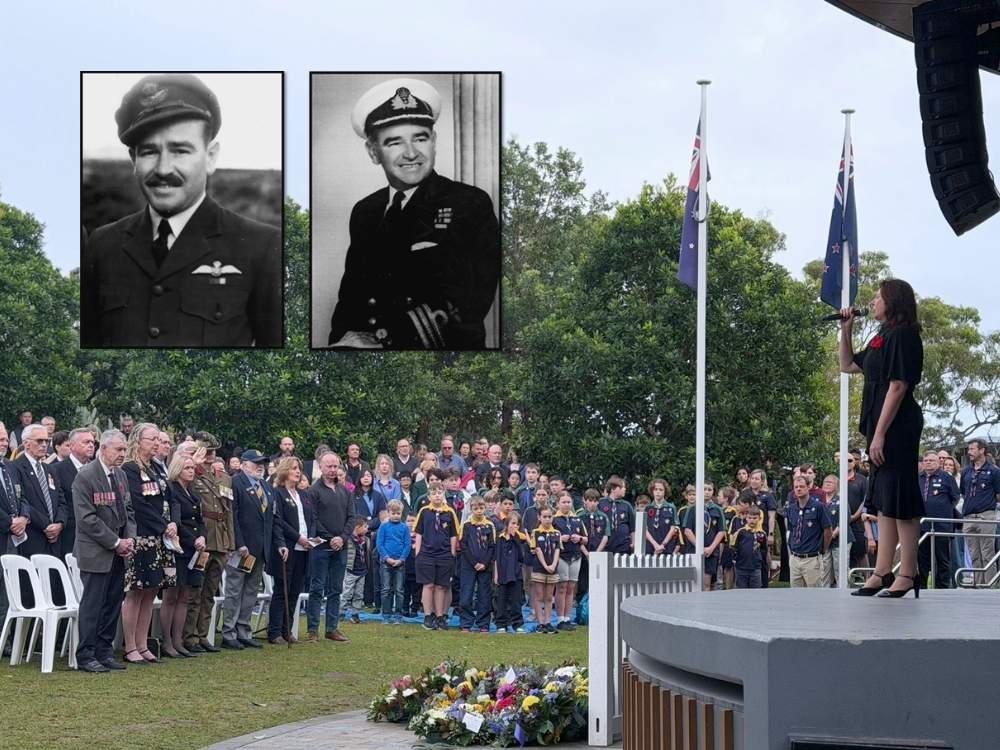
Lane Cove’s ANZAC Day 2026 service saw a huge crowd – notably more than previous years with attendees spilling into the Canopy footpaths and playground.
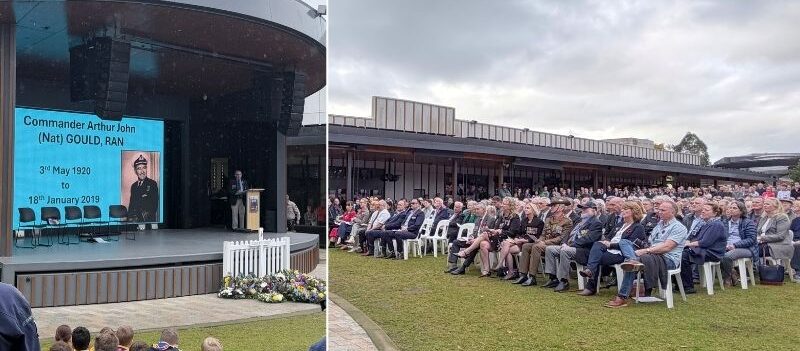
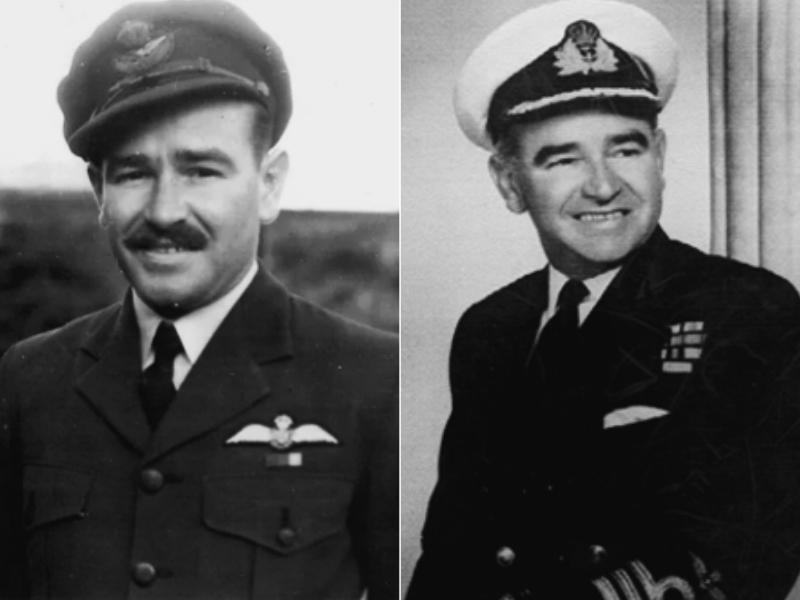
Each year the service is presented each year by Lane Cove Council and the Lane Cove RSL Sub Branch. The Lane Cove RSL Sub Branch always includes a tribute to a local veteran. This year, the story shared was that of Commander Arthur John “Nat” Gould, RAN (Retd) – a remarkable veteran who served in six theatres of war and held commissions in four services.
Born in 1920, Nat graduated from No. 1 Course of the Empire Air Training Scheme as a Sergeant. After further training, he deployed to Scotland in late 1940 to join a Royal Air Force (RAF) squadron flying Hurricanes.
Into the Arctic
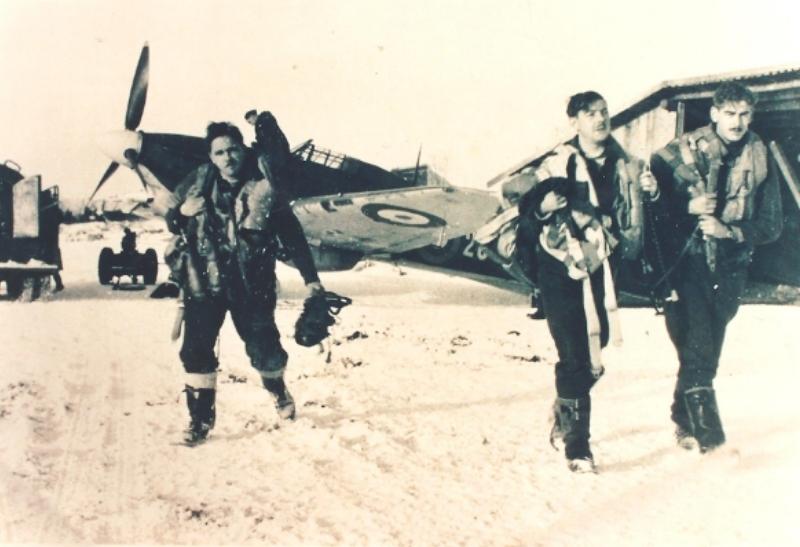
As part of efforts to support Russia during World War II, Winston Churchill agreed to send aircraft to Murmansk in late 1941. The aim was to train Russian pilots and ground crew so they could attack German forces.
It was during his time in Russia that Nat gained the nickname “Natski”. After five months living in Arctic snow, he returned to England before being sent back to Australia to help stem the Japanese advance, which was directly threatening Australia.
Defending Australia
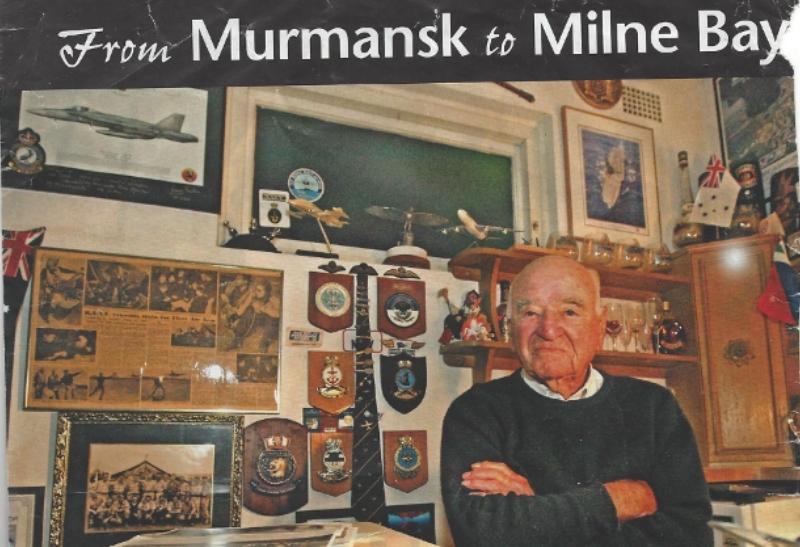
Posted to a Royal Australian Air Force (RAAF) squadron, Nat transitioned to Kittyhawks and defended Port Moresby and Milne Bay between August and October 1942.
Over the next couple of years, he rotated between serving as a Flying Instructor in Mildura, Victoria, and flying Spitfires from Darwin and along the Western Australian coast. At the time, there was concern Japan might attack the American submarine base at Exmouth, WA.
As the war in Europe drew to a close, the British Fleet came to the Pacific to assist the Americans and position itself to reclaim pre-war colonies.
From Air Force to Navy
The British Fleet was short on pilots, so a deal was struck to transfer RAAF pilots to the Royal Australian Navy Volunteer Reserve (RANVR) and loan them to the Royal Navy (RN).
Nat deployed with the British Fleet to the Admiralty Islands. Following Japan’s surrender, the RN offered him a short service commission. Nat accepted and deployed to England for four years.
The Royal Australian Navy (RAN) later recognised the need for aircraft carriers and the Fleet Air Arm. In late 1950, Nat was given command of a Firefly squadron based aboard HMAS Sydney – his fourth commission.
When the Korean War broke out, Nat was aboard HMAS Sydney and flew missions against North Korean forces.
Intelligence Work and Later Career
In the early 1960s, Nat was seconded to Joint Intelligence Staff, assessing threats against Australia’s national interests.
Aged 45, with the rank of Naval Commander, he retired from Defence and took up a position with Hawker DeHavilland and British Aerospace, where his aviation background and contacts were put to good use.
A Life Well Lived
Nat finally retired at 63 to pursue his many aviation interests and play golf at Roseville.
He passed away on 18 January 2019, aged 98. His wife, Sirenne Gould OAM, passed away six months later.
images and biography of Commander Arthur John “Nat” Gould, RAN (Retd) was provided to In the cove from Lane Cove RSL Sub Branch President, Graeme Davis.
Show us your ANZAC Day Pride
If you post a photo of your ANZAC Day commemorations on Instagram or Facebook, tag ITC or send it through.
Support local news
If you find guides like this helpful, consider supporting In the Cove. We’re a small local team covering the stories that matter to Lane Cove.