

Article written in collaboration with Natalie Panzarino from Advance Vet Care Lane Cove
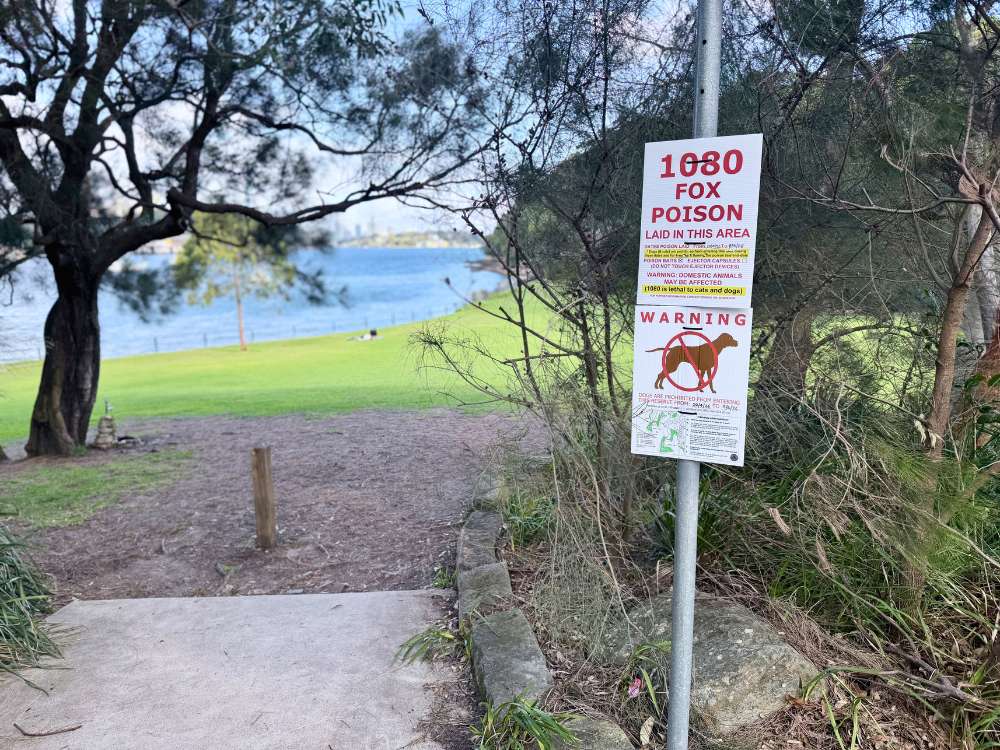
From Monday 20 April to Friday 5 June 2026, North Sydney Council will be conducting its scheduled 1080 fox baiting program across several local bushland reserves.
While this program plays an important role in protecting native wildlife, it also presents a very real and potentially fatal risk to dogs.
If you live nearby or walk your dog in these areas, it’s critical to understand what this means and how to keep your pet safe.
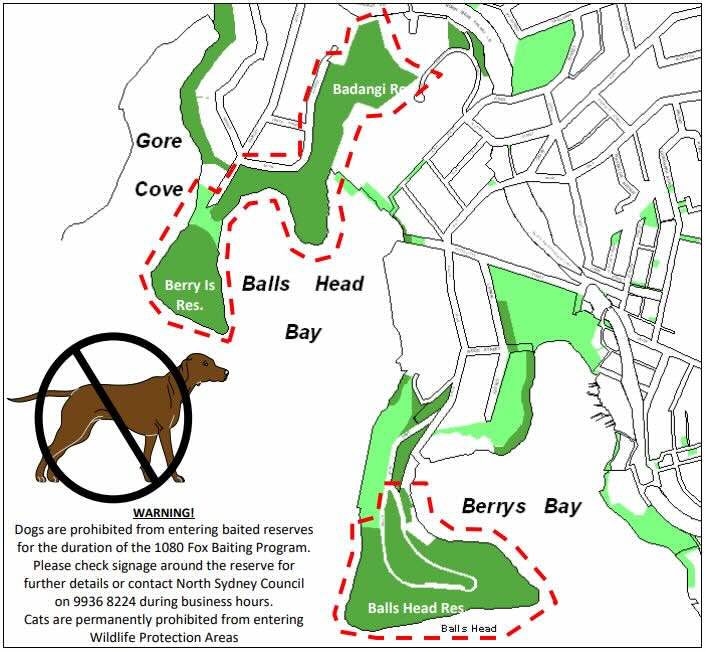
The following reserves are included in the program:
- Balls Head Reserve, Waverton
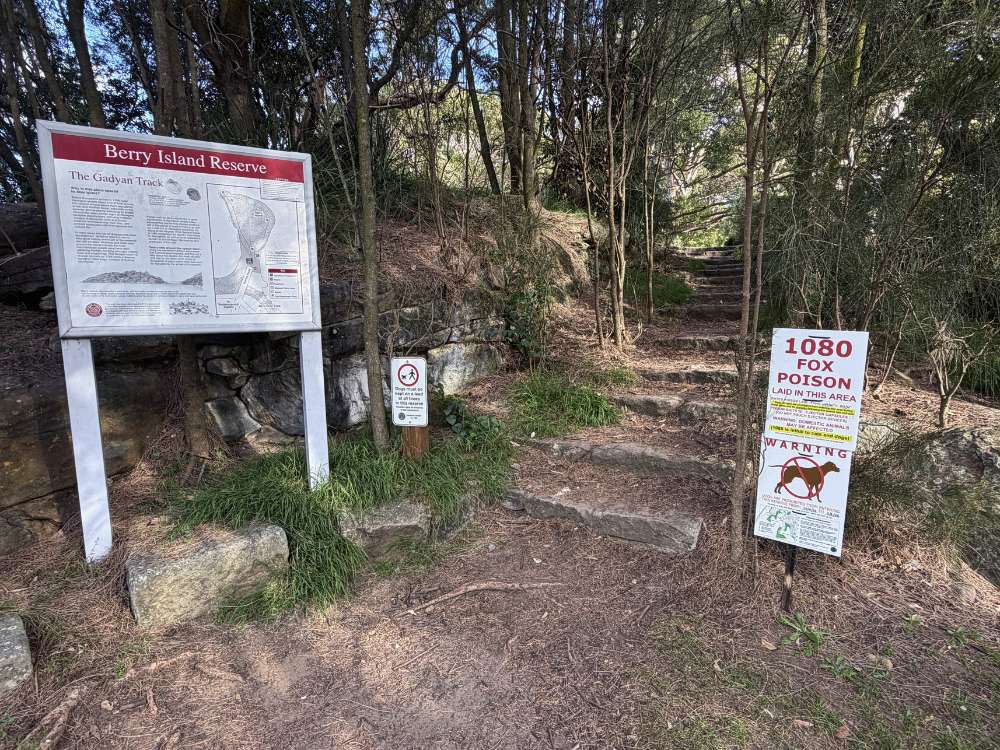
- Berry Island Reserve, Wollstonecraft
- Badangi Reserve, Wollstonecraft
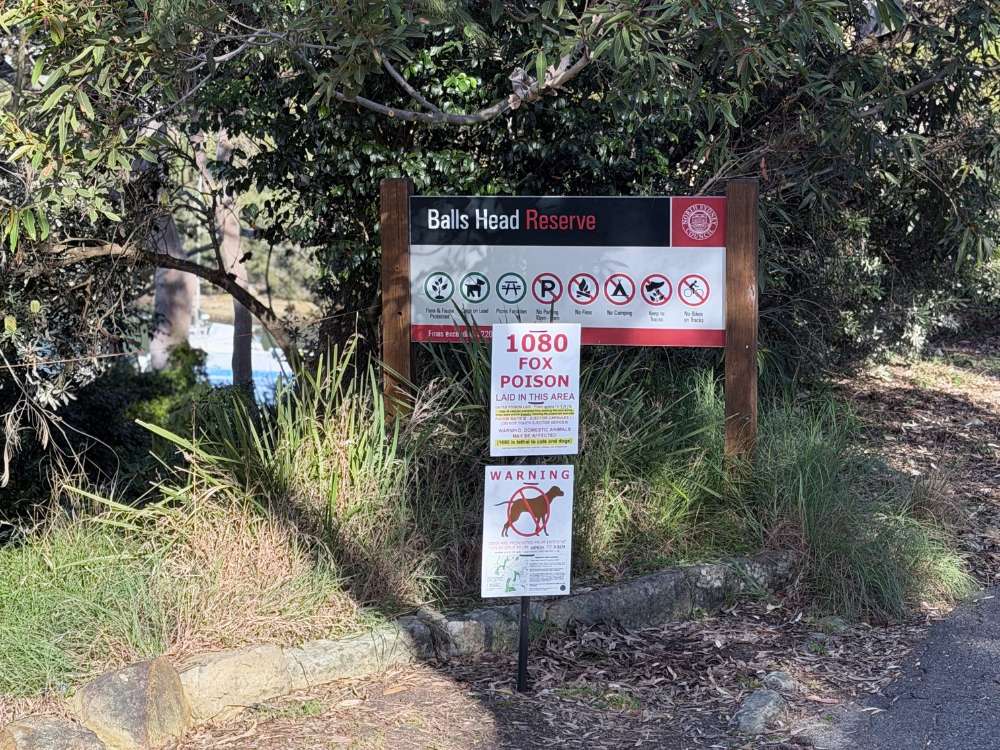
Dogs are strictly prohibited from entering these reserves during the baiting period and for four weeks after baiting concludes. Warning signage should be in place at entry points, but it’s important not to rely on signage alone — always assume risk during this timeframe.
What is 1080 bait and why is it used?
“1080” refers to sodium fluoroacetate, a poison used to control fox populations. While it is targeted at foxes, it is equally lethal to dogs. Native Australian wildlife has a higher tolerance to 1080 due to natural exposure in some native plants, but our pets do not have this same protection and are vulnerable to this deadly poison.
Fox baiting is part of a coordinated environmental effort to reduce predation on native species in urban bushland. These programs have helped support the recovery of vulnerable wildlife populations. That said, the benefits to wildlife don’t reduce the risk to pets — awareness and prevention are essential.
How could your pet be exposed?
Dogs don’t need to directly eat a bait to be at risk. Exposure can also occur by consuming a poisoned animal, known as secondary poisoning, or even simply picking up contaminated material while exploring. Even well-trained dogs can be at risk — their natural curiosity and scent-driven behaviour make this particularly dangerous.
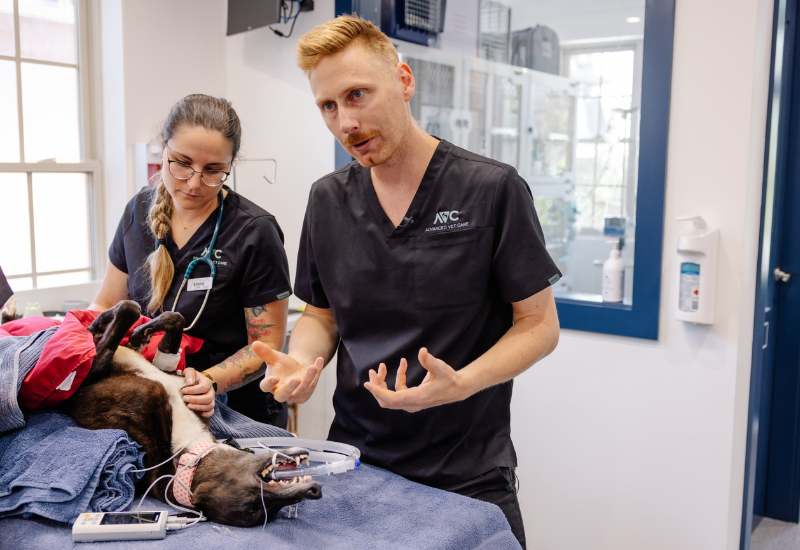
Symptoms of 1080 poisoning in dogs and what to do
According to Dr Matt Buchanan-Pascall from Advanced Vet Care Lane Cove:
“1080 poisoning progresses rapidly and is often fatal without immediate veterinary intervention. If you suspect your pet has been exposed, time is absolutely critical. Don’t wait and see if your pet begins to show symptoms, as by then the damage has already begun.”
The ITC newsletter
Never miss what's happening in Lane Cove
Free local news in your inbox every Wednesday night. Join thousands of locals.
Signs can develop quickly — often within 30 minutes to a few hours after ingestion.
Watch for:
- Restlessness or agitation
- Panting or rapid breathing
- Vomiting
- Tremors or twitching
- Seizures
- Collapse
“Simply put, don’t wait. Bring your pet straight in for assessment and treatment, and if you are not sure if they eaten 1080 or not, please err on the side of caution; time really is of the essence. Get them straight in as the sooner we can start supportive treatment the better the outcome. There is no antidote as such, it is all about limiting the absorption into their system and supporting them medically. Early intervention gives them the best chance of survival.”
Keeping your pet safe
 Prevention is key:
- Avoid all baited reserves during the program and exclusion period
- Keep dogs on-lead in surrounding areas
- Prevent scavenging or eating unknown items
- Be cautious near bushland edges, as baits can sometimes be moved by wildlife
- Limit opportunity for secondary exposure
Even if you don’t normally visit these reserves, it’s worth being vigilant if you live nearby.
“Fox baiting programs are an important part of protecting our native ecosystems, but they require pet owners to be especially cautious during active periods. A moment of exposure can have devastating consequences. Awareness, supervision, and quick action can make all the difference,” says Dr Matt.
Thank You to Our Local Experts
We would like to thank Natalie Panzarino from Advanced Vet Care Lane Cove for providing this important and informative advice to help keep local pets safe.
Advanced Vet Care Lane Cove – Contact Details
Address: 143 Longueville Road, Lane Cove NSW 2066
Phone: (02) 9427 7377
Website: advancedvetcarelanecove.com.au
If you are concerned your pet may have been exposed to 1080 bait, contact your vet immediately or seek emergency veterinary care.
Support local news that supports your community
In the Cove is an independent, locally owned publication. Your support helps us continue delivering trusted news, community updates and important safety information like this.
Support independent local news
In the Cove is 100% free to read, with no paywall, and it always will be. We write for the community, from within the community. If you value local news, chipping in helps keep it coming.
Proud member of LINA, the Local & Independent News Association. Want to reach locals? Advertise with us.