

By Tanya Sharma | Clinical Content Lead & Exercise Physiologist, Strength By Women
Somewhere between your career, kids, ageing parents and everything else life throws your way, your own health can quietly slip far down your priority list.
For many women, staying “active” often looks like frequent walks, the occasional Pilates class or squeezing in a workout when you can finally fit it in. While all of that is incredibly valuable, there is one piece of the puzzle that is often missing — and it’s arguably the most important: strength training.
From your 30s onwards, your body naturally begins to lose muscle mass, a process called sarcopenia. This accelerates as you move into your 40s and beyond, and it doesn’t just affect how strong you feel — it impacts your metabolism, your bone health, your risk of chronic disease and your ability to stay independent and functional as you age.
The good news is that this is one of the most modifiable changes we see in the body as we age, and strength training is the most effective way to address it.
What Happens to Your Body After 40 (and Why It Matters)
Muscle loss isn’t something you suddenly notice overnight, but over time it adds up. Tasks that used to feel easy, such as carrying groceries, getting up off the floor and climbing stairs, can start to feel harder.
At the same time, your bone density begins to decline, particularly as you start to approach menopause. This increases your risk of conditions such as osteoporosis and fractures later in life.
It’s important to understand that these changes aren’t simply about physical appearance or fitness — they are directly linked to your long-term health, mobility and quality of life.
Why Strength Training Is Key
There’s a common belief that as long as you’re moving, you’re doing enough. While there is some truth to this, and walking, yoga and Pilates are all fantastic for general health and wellbeing, they are often not enough on their own to preserve muscle mass and protect bone density.
Strength training places controlled stress and load on your muscles and bones, which signals your body to adapt, build strength, maintain muscle mass and improve bone density over time.
If the body isn’t challenged, it has no reason to stay strong.
“If you don’t use it, you lose it.”
Benefits of Strength Training
Everyone has heard there are many benefits to getting in the gym and lifting weights, but what are some of the most important ones?
Here are five of the biggest reasons to include strength training in your routine:
1. Preserves and builds muscle mass
Strength training directly combats age-related muscle loss, helping you maintain strength and function.
2. Maintains and improves bone density
Loading your bones through resistance training is one of the most effective ways to maintain and even improve bone health.
3. Improves body composition
More muscle mass supports a healthier balance between lean tissue and body fat.
4. Reduces your risk of chronic disease
Strength training has been linked to improved blood sugar control, cardiovascular health and reduced risk of metabolic conditions.
5. Boosts confidence and mental wellbeing
One of the most empowering things about strength training is feeling physically capable and strong, and that confidence often carries into everyday life.
Why the Right Approach Matters
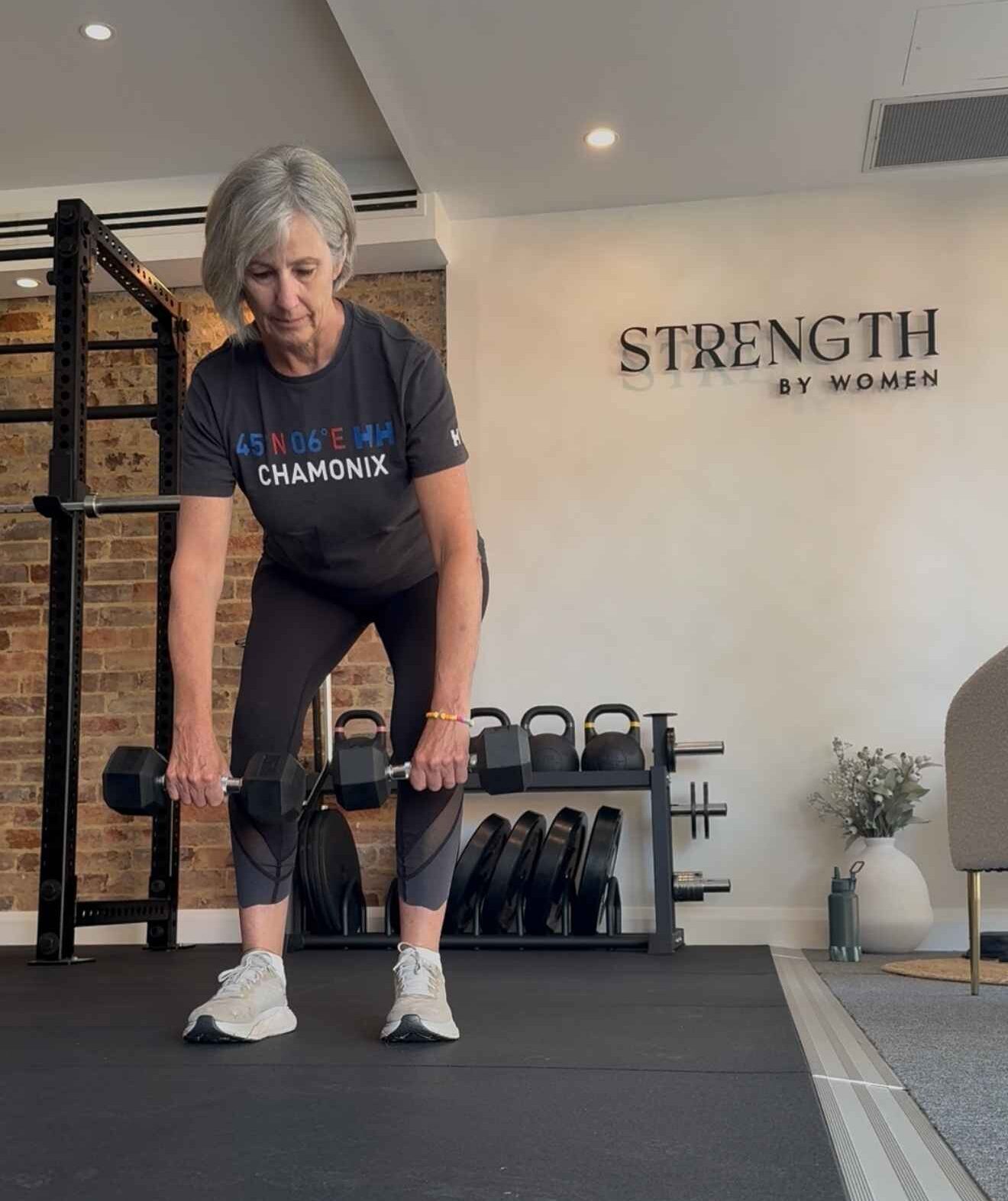 One of the biggest misconceptions about strength training is that it means spending hours in the gym or lifting excessively heavy weights without guidance.
In reality, effective strength training is about:
- Using the right level of resistance for your body
- Progressing gradually over time
- Focusing on good technique
- Training consistently and building sustainable habits
This is where many women get stuck — not because they’re not trying, but because they haven’t been shown how to train in a way that helps them get results.
Why Working with an Exercise Physiologist Is Different
This is where exercise physiology comes in.
An Exercise Physiologist is a trained professional who understands how exercise interacts with the body from a clinical perspective, including bone health, injury history and chronic conditions. They can work with you to create a program that is not only effective, but safe and tailored to your individual needs.
For many women, this level of guidance can make the difference between simply “exercising” and actually improving long-term health, independence and overall quality of life.
Where to Start
The idea of strength training doesn’t need to be overwhelming — you can always start small and work your way up to a sustainable routine.
A simple starting point can include:
- Training two times a week
- Focusing on major muscle groups
- Gradually and safely increasing resistance over time
- Seeking guidance to ensure correct technique
Small but consistent steps can lead to significant long-term improvements.
Strength training isn’t just about building muscle — it’s about building resilience, both physically and mentally, as well as independence and confidence for the years ahead.
It’s one of the most powerful investments you can make for your health, not just for the benefits you see now, but for the future, when you’re still independent, strong and active well into your 70s and 80s.
If you’re reading this and wondering whether strength training is something you could see yourself doing, we’d genuinely love to chat. We work with women at all stages, whether you’re brand new to lifting, navigating menopause or focused on protecting your bone health, and we’ve built programs around each of these starting points.
Our Initial Consultation is where most women begin. It’s a one-on-one session with an Exercise Physiologist to talk through your health history, what you’re hoping to feel different in your body, and whether one of our programs is the right fit. There’s no pressure to sign up afterwards, and you can ask as many questions as you need. Medicare rebates may apply if you have a referral from your GP.
Find out more here: https://www.strengthbywomen.com/first-timers
Resources
- Larsson L, Degens H, Li M, Salviati L, Lee Y il, Thompson W, et al. Sarcopenia: Aging-Related Loss of Muscle Mass and Function. Physiological Reviews. 2019 Jan 1;99(1):427–511.
- Kraemer WJ, Fragala MS, Ratamess NA. Evolution of Resistance Training in Women: History and Mechanisms for Health and Performance. Sports Medicine and Health Science. 2025 Feb;7(5).
- Xu J, Lombardi G, Jiao W, Banfi G. Effects of Exercise on Bone Status in Female Subjects, from Young Girls to Postmenopausal Women: An Overview of Systematic Reviews and Meta-Analyses. Sports Medicine. 2016 Feb 8;46(8):1165–82.
- Beck BR, Daly RM, Singh MAF, Taaffe DR. Exercise and Sports Science Australia (ESSA) Position Statement on Exercise Prescription for the Prevention and Management of Osteoporosis. Journal of Science and Medicine in Sport. 2017 May;20(5):438–45.
This is a sponsored article in partnership with Strength By Women.
Strength By Women
Women-only Exercise Physiology clinic in Longueville
Phone: 0450 500 570
Email: [email protected]
Address: 2 Kenneth Street Longueville NSW 2066